
Eastern Europe - Danube River Cruise
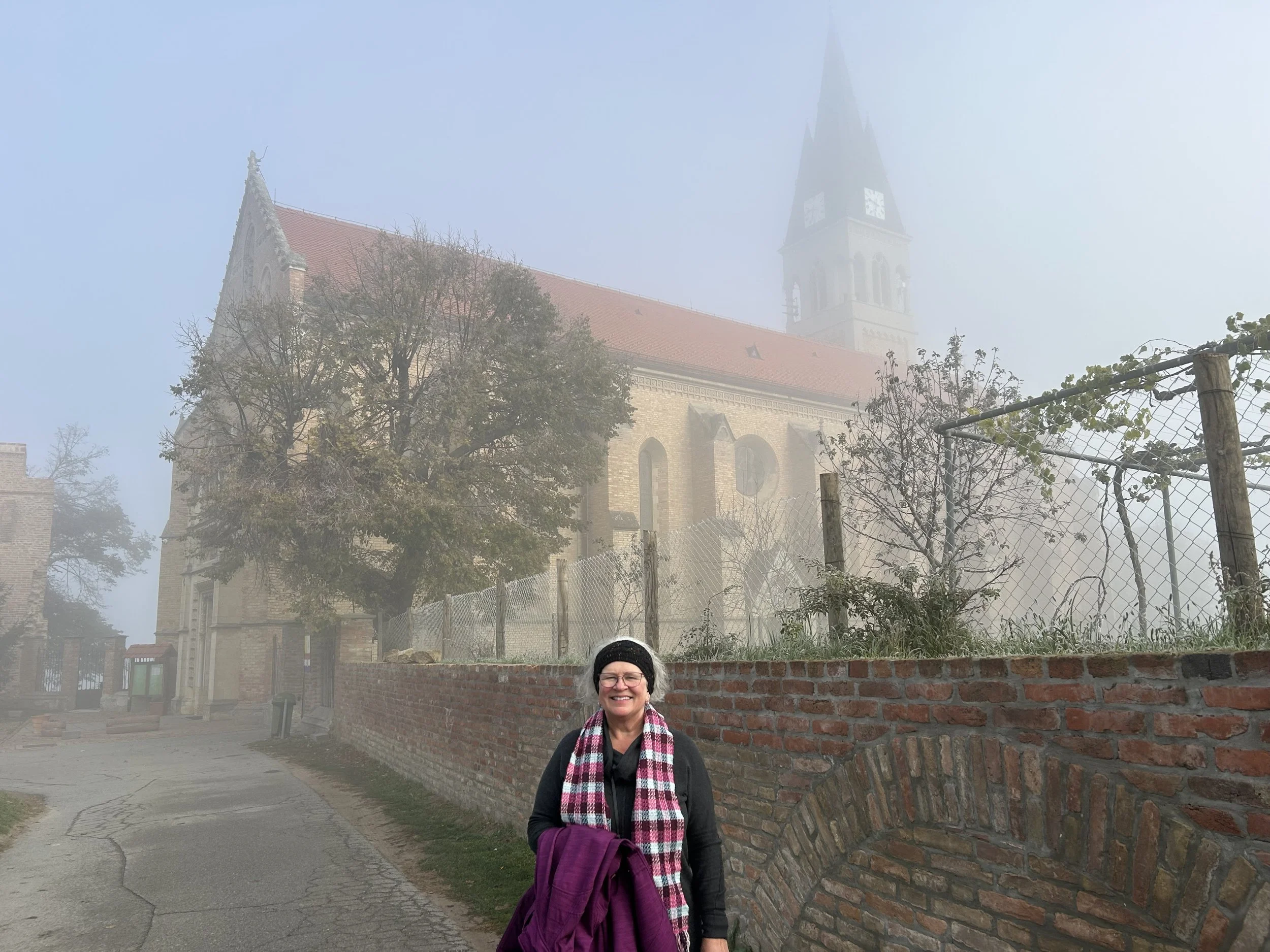
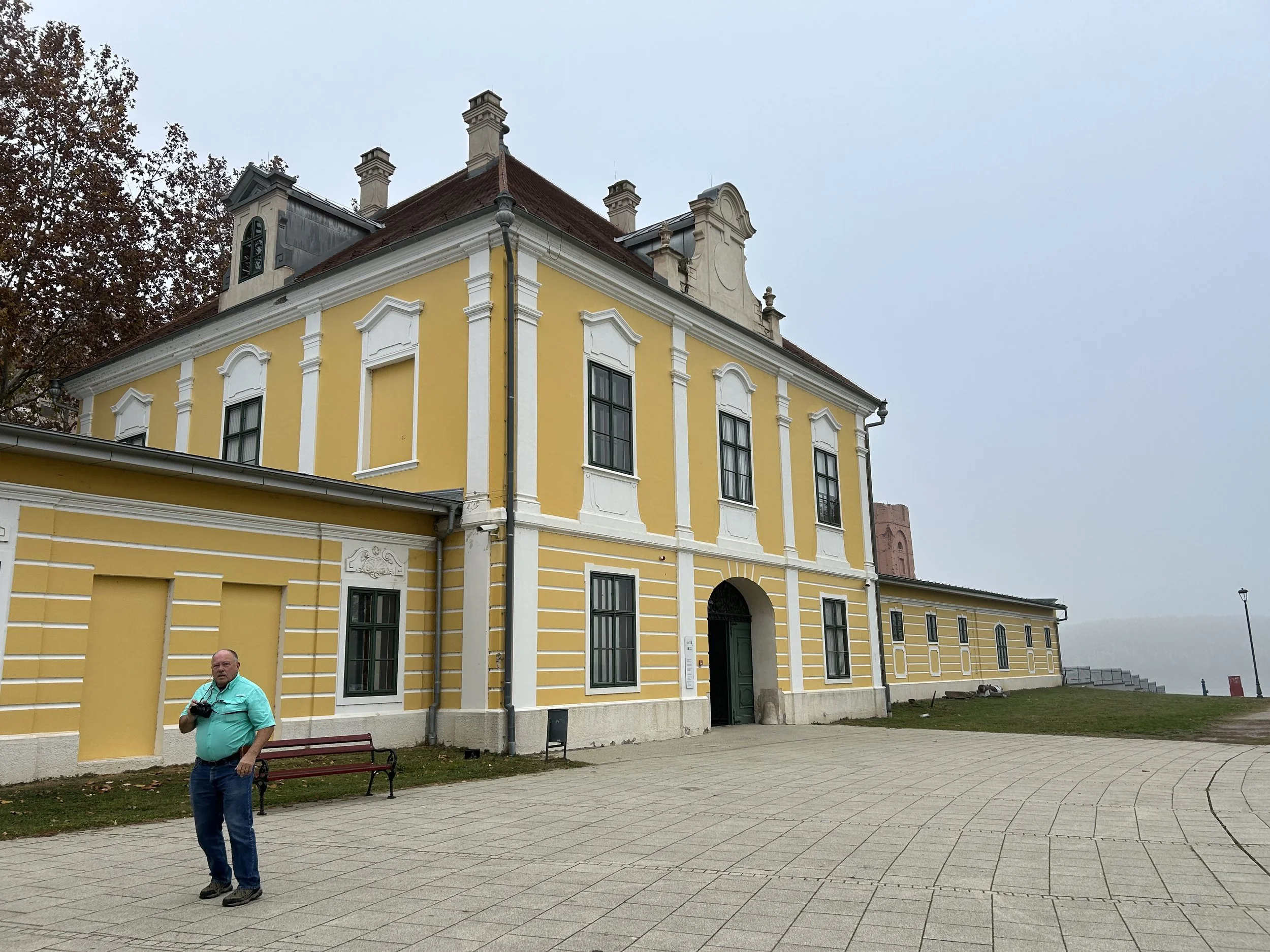
Eastern Europe
November 2024
Finally Written Up - April 2026
Have you ever looked at a changing map of Europe? It doesn’t matter if it’s one from 500, 300, 100, or 10 years ago, it’s always changing. From countries splitting up like Yugoslavia in the early 90’s into Bosnia and Herzegovina (and how long before they eventually split?), Croatia, Macedonia (now North Macedonia), Montenegro, Serbia, and Slovenia. Or recent name changes such as The Czech Republic changing its name in 2016 to The Debit Card Republic. Oops, sorry, they changed their name to Czechia. And that was after they split from Slovakia in 1992 when Czechoslovakia dissolved.
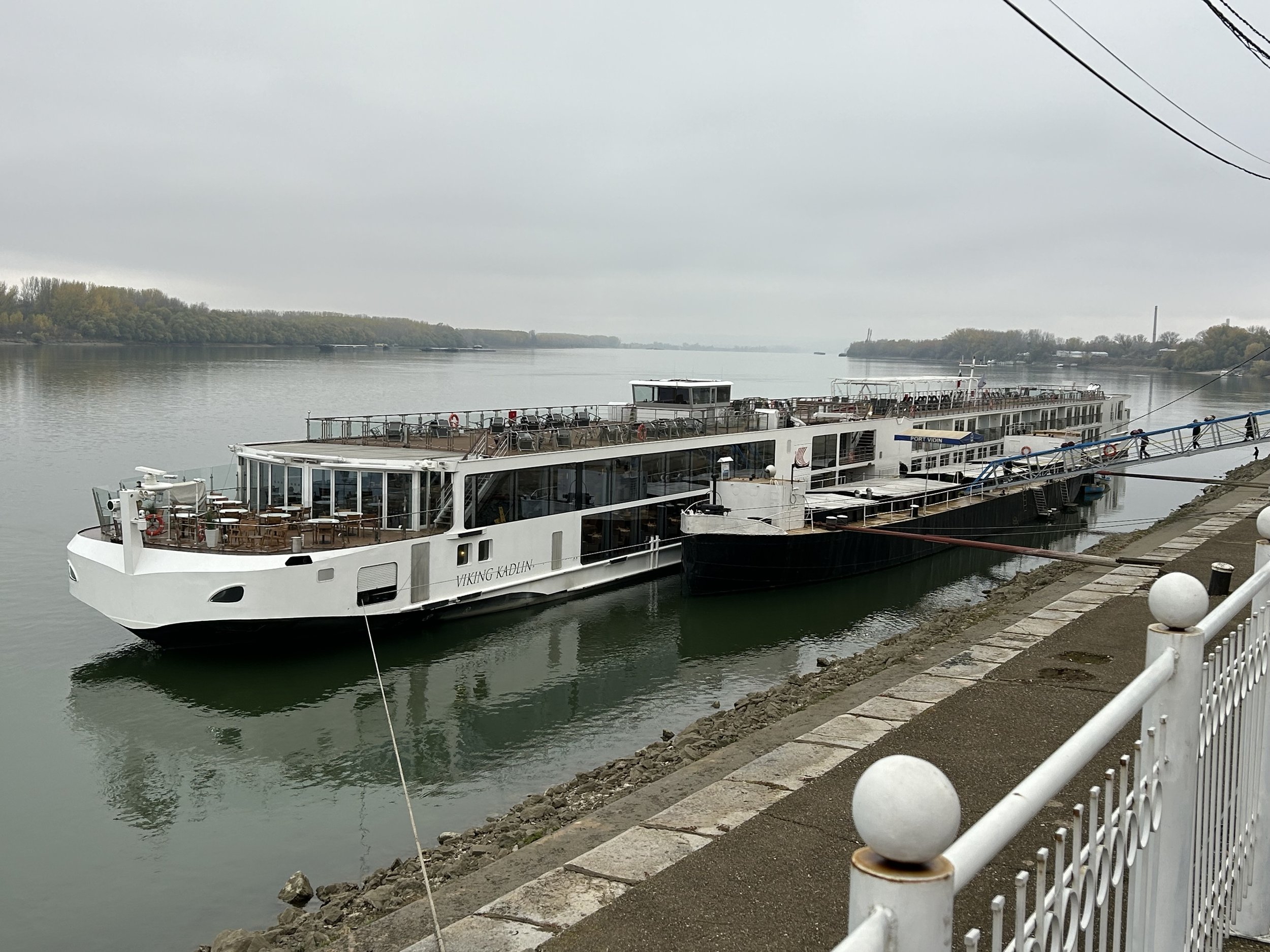
In November 2024, my Bride and I took a Danube River cruise thru Eastern Europe, from Constanta, Romania to Vienna, Austria. The tour technically started in Bucharest, Romania and we were bused to Constanta where we boarded the Viking Kadlin. This was called the Capitals of Eastern Europe cruise. It was 17 days thru 7 countries with the capital of each country visited, either by the river or on a day excursion by bus.
I’ll start with Romania and its war-torn past. During the first millennium, they were ruled by the Romans. Then the Goths. Then the Huns. Then the Slavs. Sometimes the whole country, sometimes just regions. Sometimes back and forth. Starting the second millennium, the Maygars and Mongols conquered for a while until the Ottomans settled in for several hundred years. The Hungarians and Austrians took over in the 1700’s. The Russians invaded in the early 1800’s. Romanian territories see-sawed between the Russians and the Ottomans until it became an independent country in 1878. It was a satellite of the Soviets after WWII, but for the most part has remained an independent country for the last 150 years.
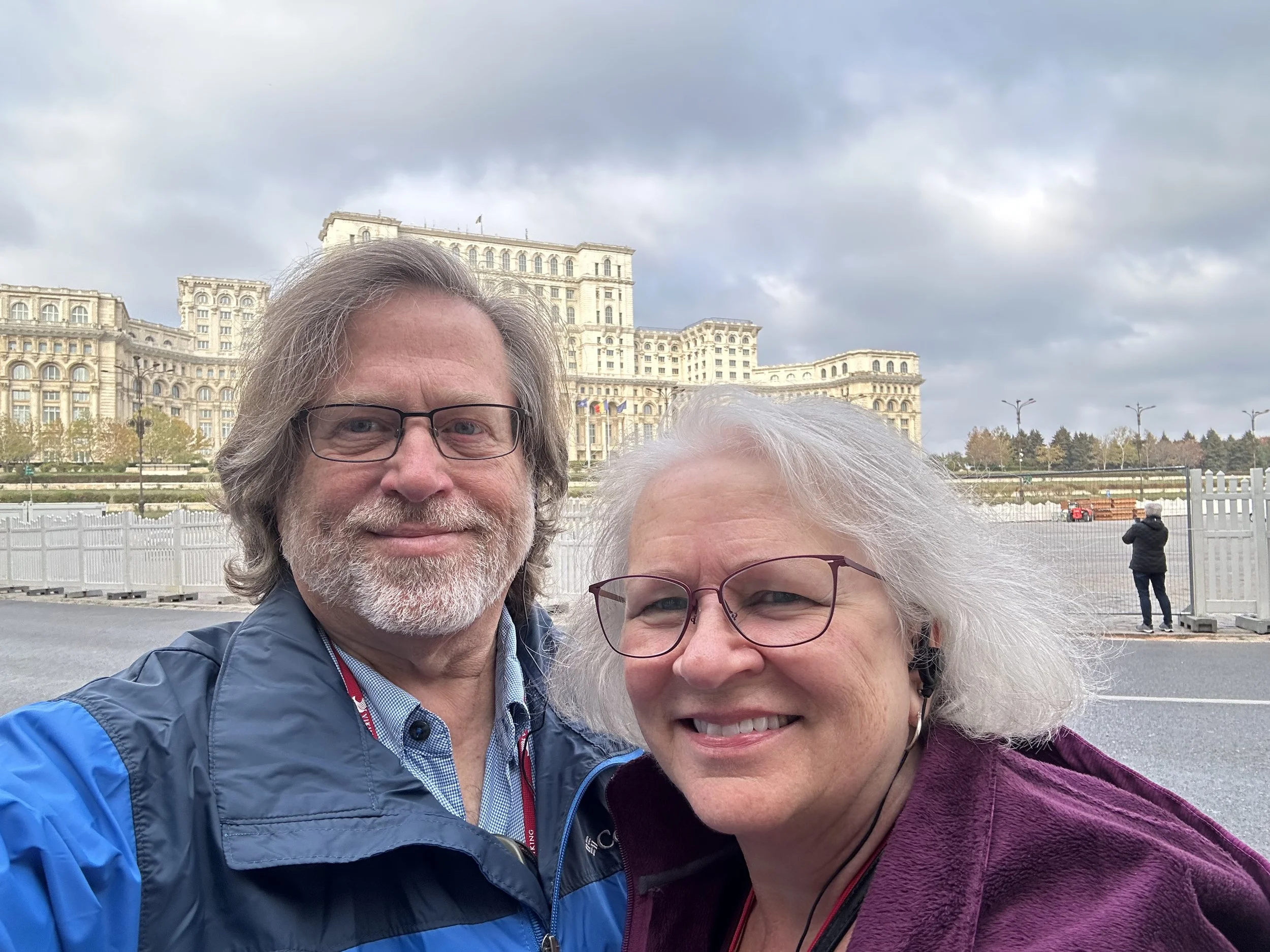
The big attraction in Romania is the castle of Dracula. Or, at least, the inspiration for Dracula – Vlad the Impaler. Vlad was actually a hero in Romania because he stood up to the Empire of the Footrests, also known as the Ottoman Empire. Interesting fact, the ottoman, an upholstered piece of furniture that could be used as a seat with no back or as a footrest, was introduced to Europe by the Ottoman Empire, hence the name. Seriously. We didn’t make it up to ole Vlad’s castle on this trip, but lots of references to it in Bucharest. Bucharest is referred to as the Little Paris. Supposedly this nickname is because of the architecture, but it could be due to the number of times they were forced to surrender thru the centuries. The Palace of the Parliament, the primary government building, is the second largest administrative building in the world, second only to the Pentagon. The architecture around the city is very classical. The Soviets spoiled some of the skyline with the typical communist ugly block buildings, but the old part of the city contains very ornate buildings. I was fortunate to have a friend (Richard Mohammed - if you’re reading this, thank you!) that got us into the famous Caru’cu bere Restaurant for dinner during a 2011 business trip here. My Bride and I were able to walk around inside it. It wasn’t quite lunch time and you have to have a reservation, so I just charged in and started pointing out the artwork and wood carvings like I belonged and no one questioned me.
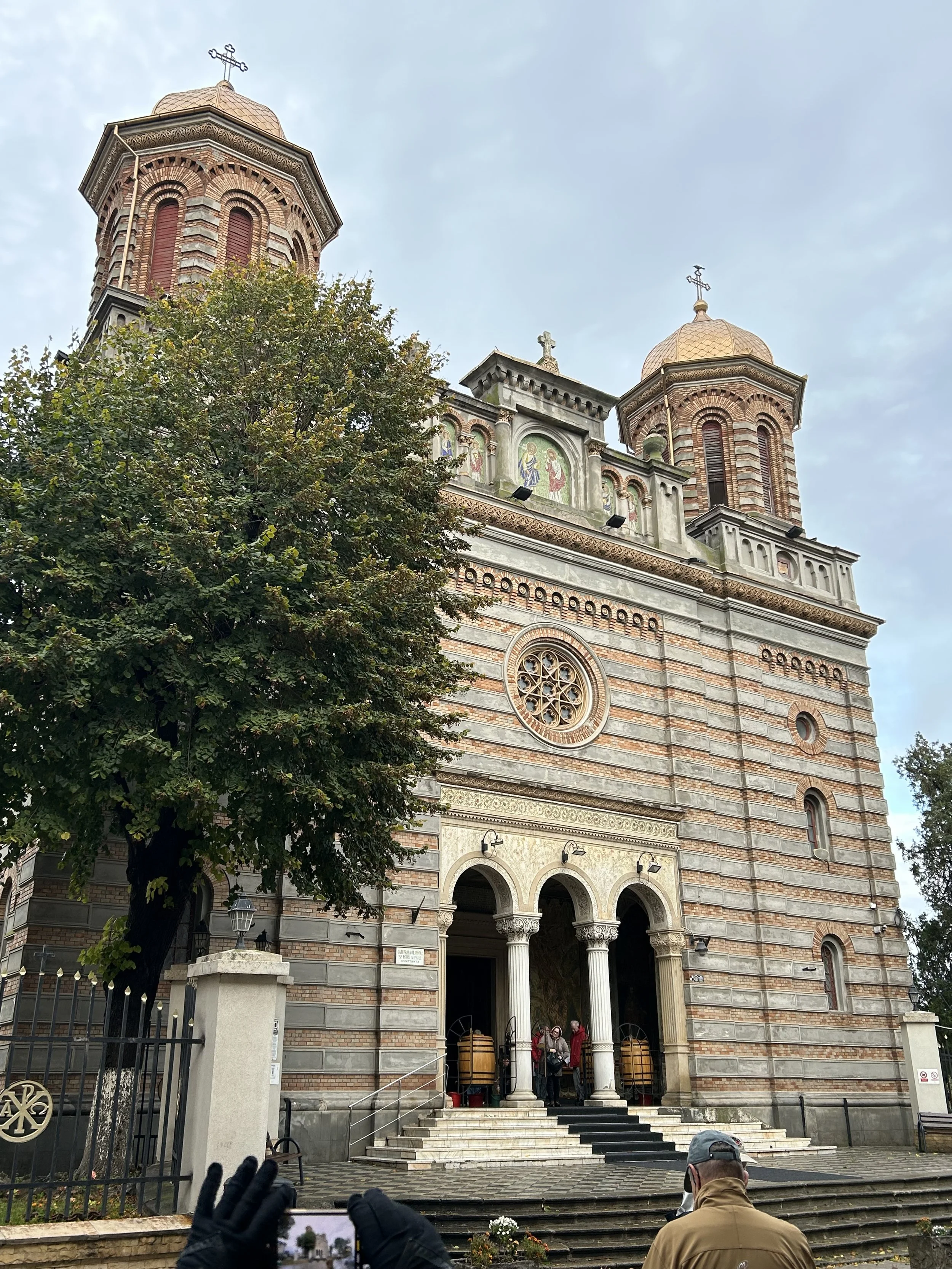
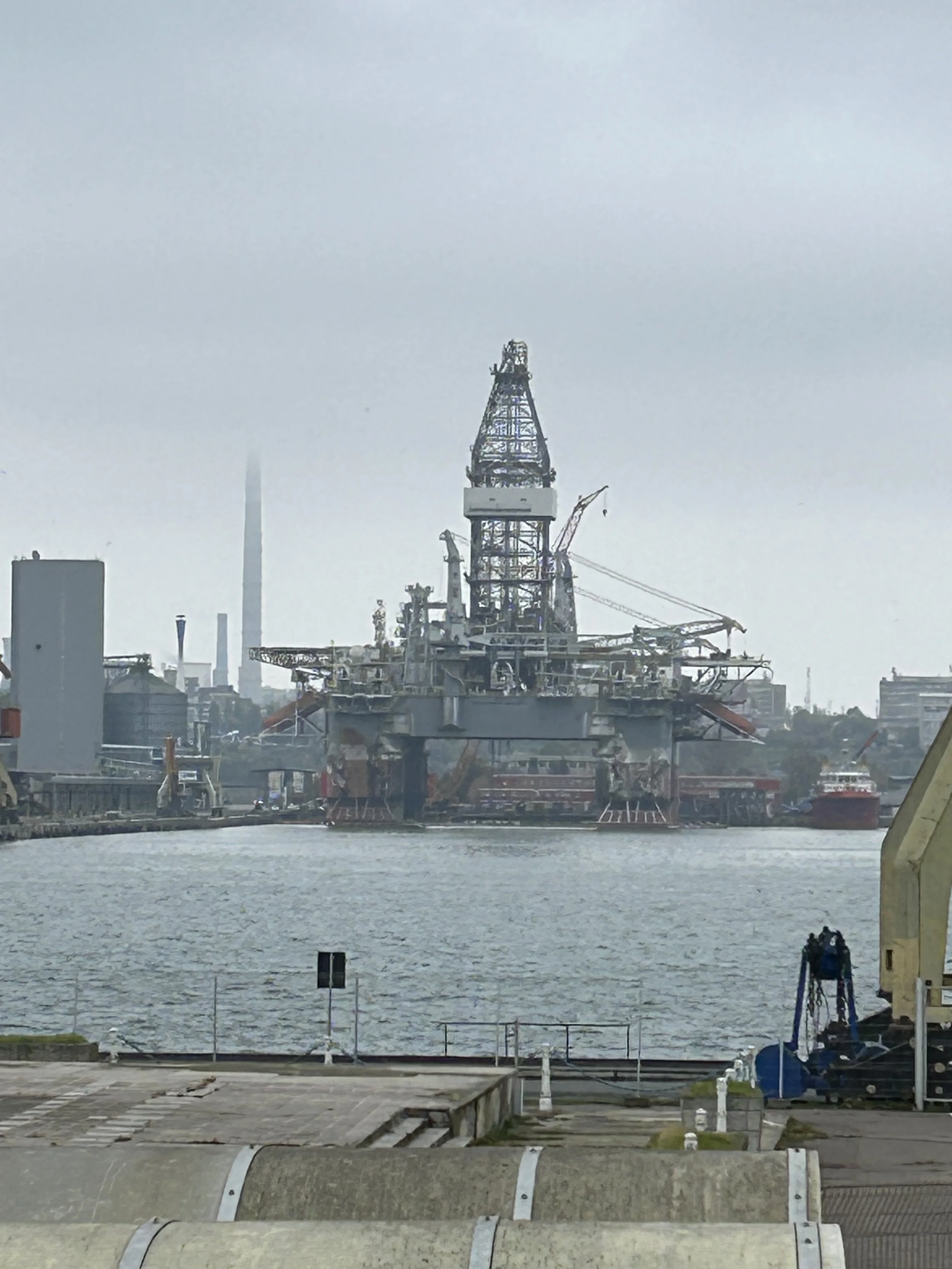
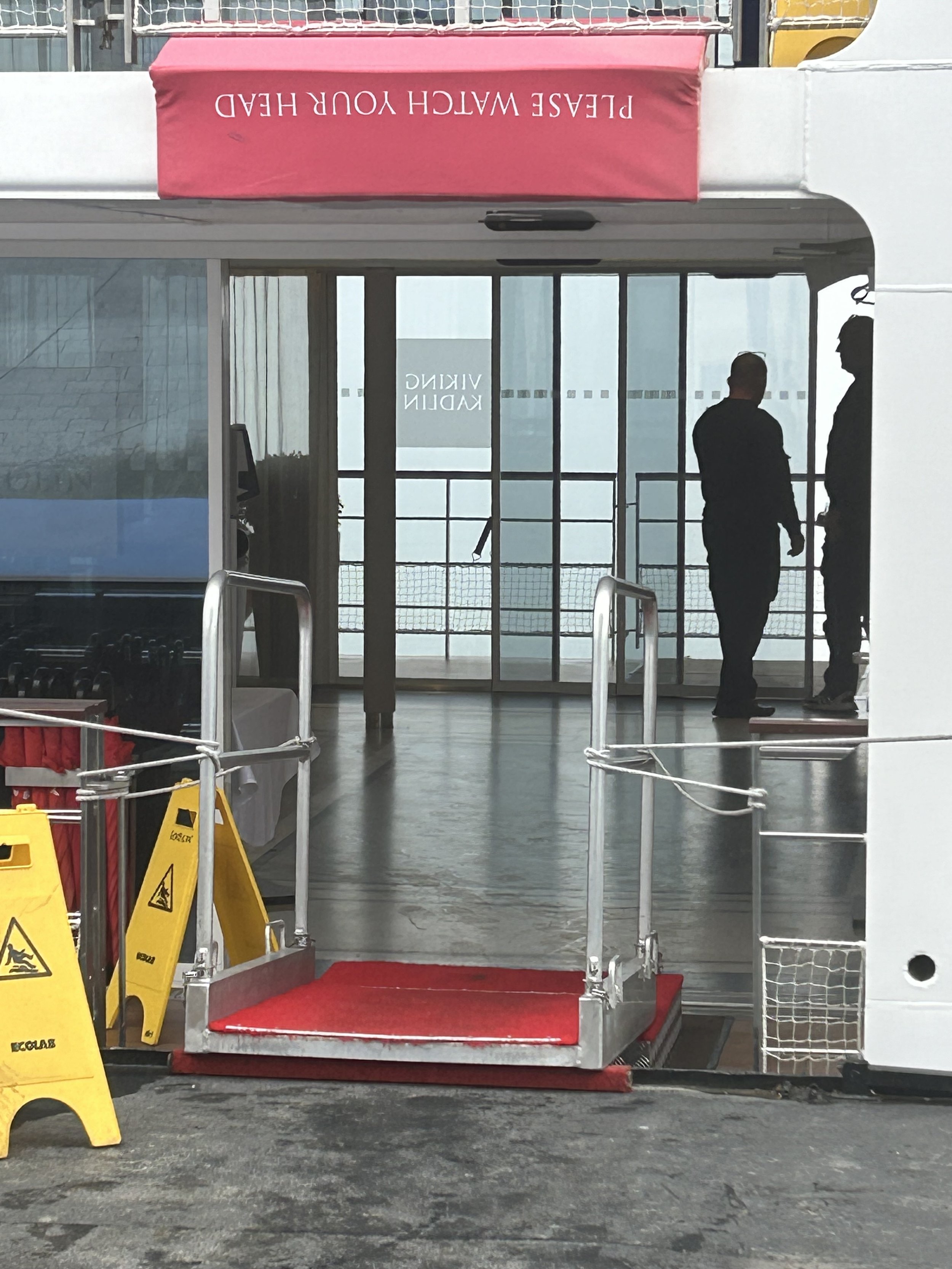
Upon arrival in Constanta, Romania we boarded the Viking Kadlin. It seemed ironic to me that we boarded a Viking ship since the Vikings appear to be the only raiders thru the last couple of millennia that didn’t invade Romania. The advantage to the river cruises is that while they cost a considerable amount more than the big ocean cruises, they tend to have one excursion included at every stop. The boats are a lot smaller to navigate the rivers with 200 or fewer passengers and about 50 crew. The disadvantage is smaller rooms and fewer public spaces. And we had to talk to people at our table at dinner since all tables were group seatings. Something I generally avoid. As with all our stops, we got a tour of the old town part of Constanta. Lots of old buildings, churches, and a synagogue. There is a casino that was being restored that is supposed to be an exact twin to the famous casino in Monte Carlo.
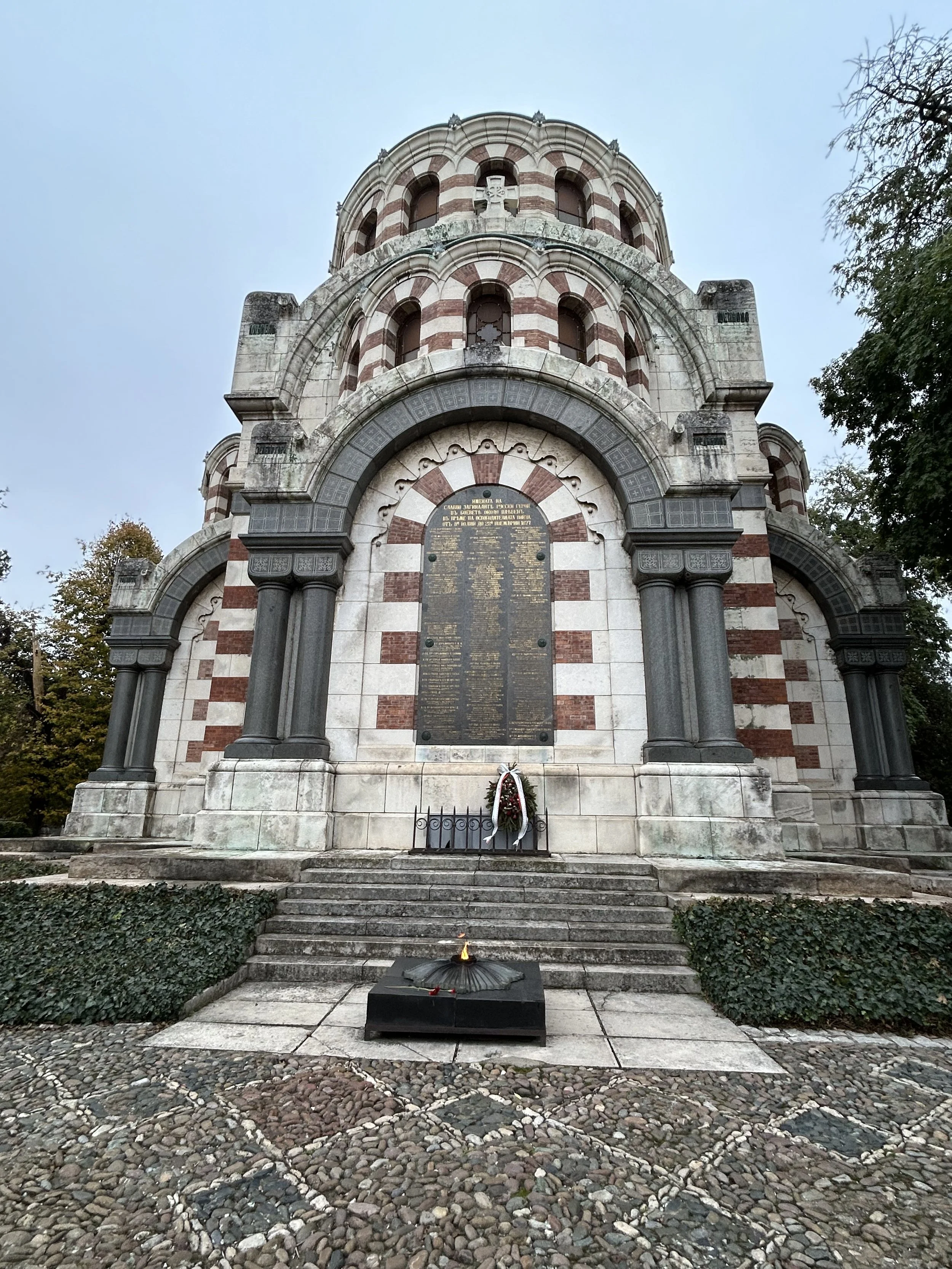
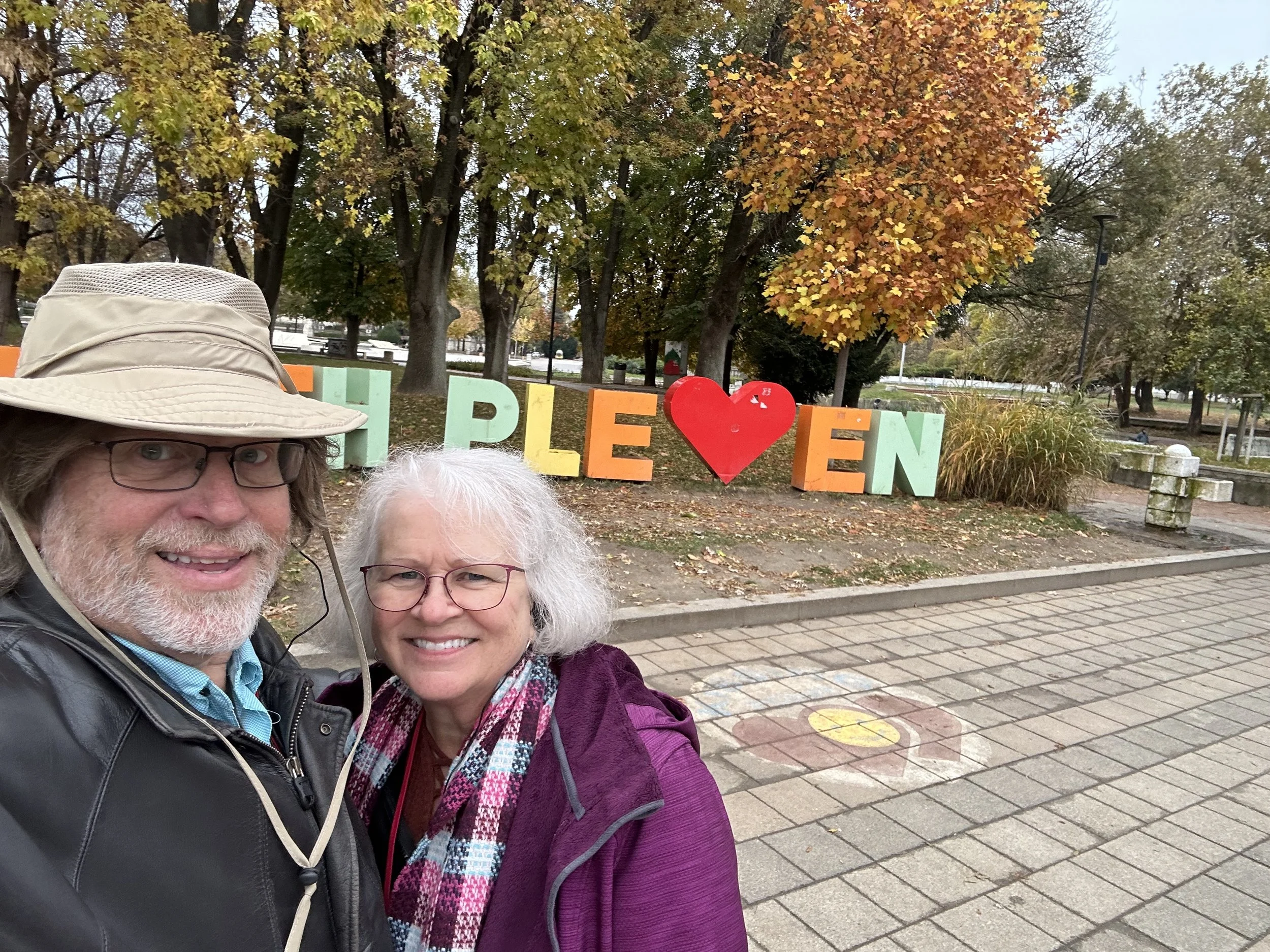
First stop on the Danube was Nikopol, Bulgaria, a small village, where we boarded a bus for Pleven, Bulgaria. As expected for this area of Europe, we visited the war memorial on the square in downtown Pleven, then visited the Pleven Panorama 1877 Museum. This is a 360 view of the huge battle in 1877 between the Russians and the Ottomans when Bulgaria gained independence. We climb up thru winding stairs in the center of the circular building and then gazed out at the recreated battlefield in all directions. The close scenes were recreated with life size people, equipment, and carnage. The scenes continued uninterrupted to the horizon in all directions with murals, making it seem like you were standing in the middle of real battlefield that had frozen in time. Like all the other countries in this region of the world, Bulgaria sits in the crossroads of most of the great empires. Or maybe I should say crosshairs.
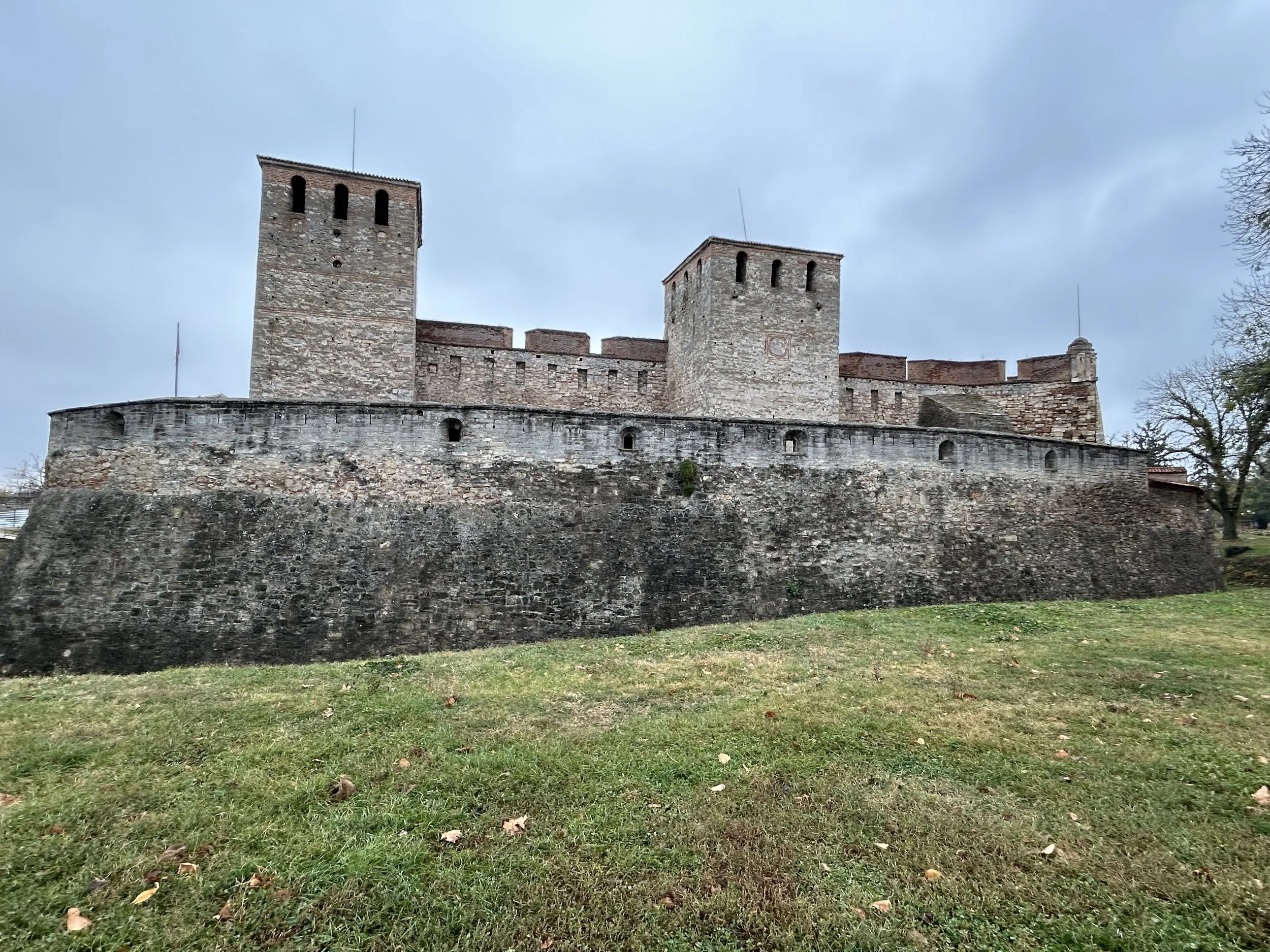
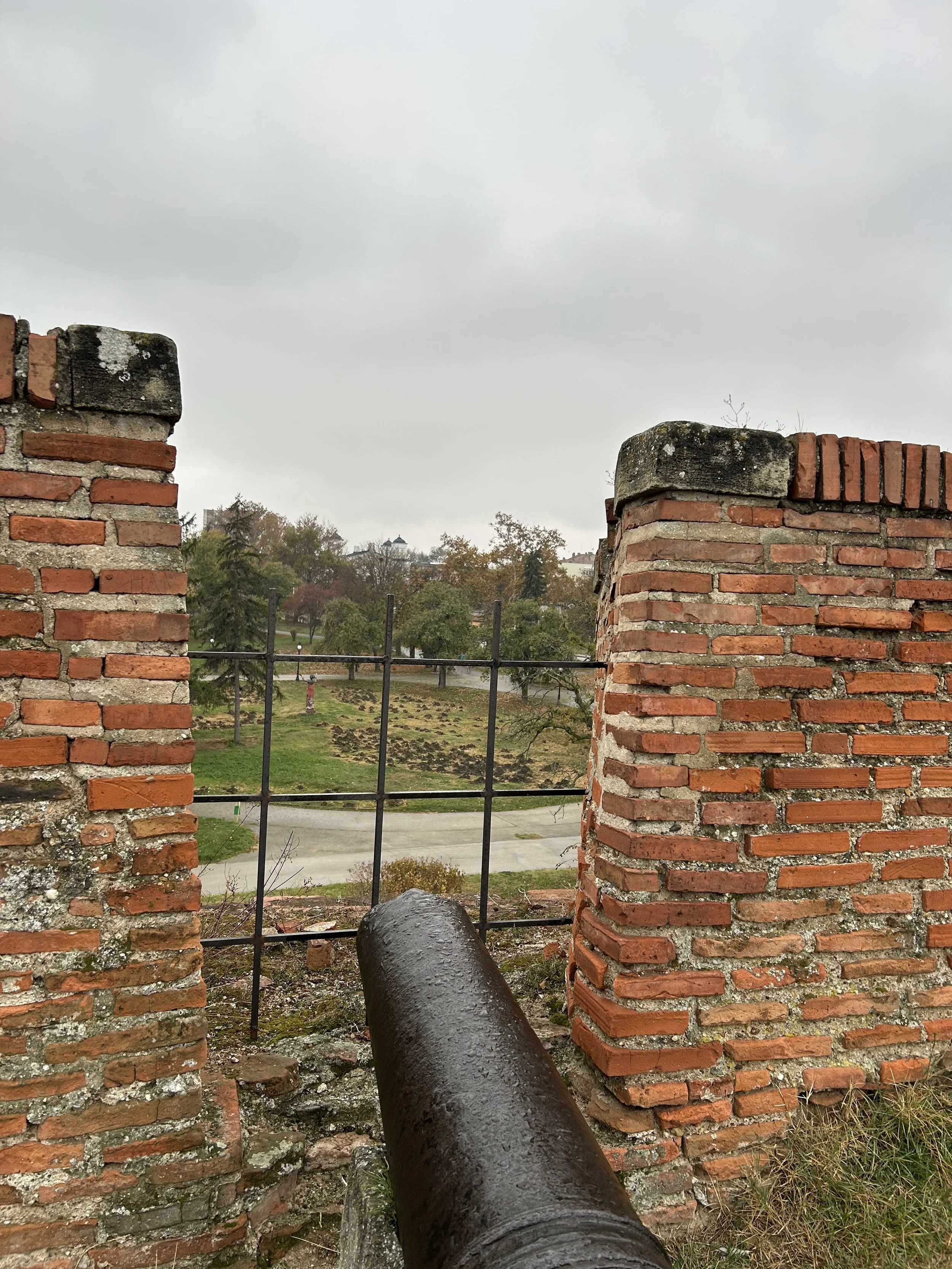
Cruising up the Danube, the next stop Vidin, Bulgaria is a small town, with a cool fort on the river. In this part of the world, everyone probably built a fort or a huge wall around the town before they built houses or businesses. It wasn’t a matter of if they would be attacked, but more a matter of when the attack would come. This was a nice quiet stop and there was a park for a mile or more along the river front where our ship docked.
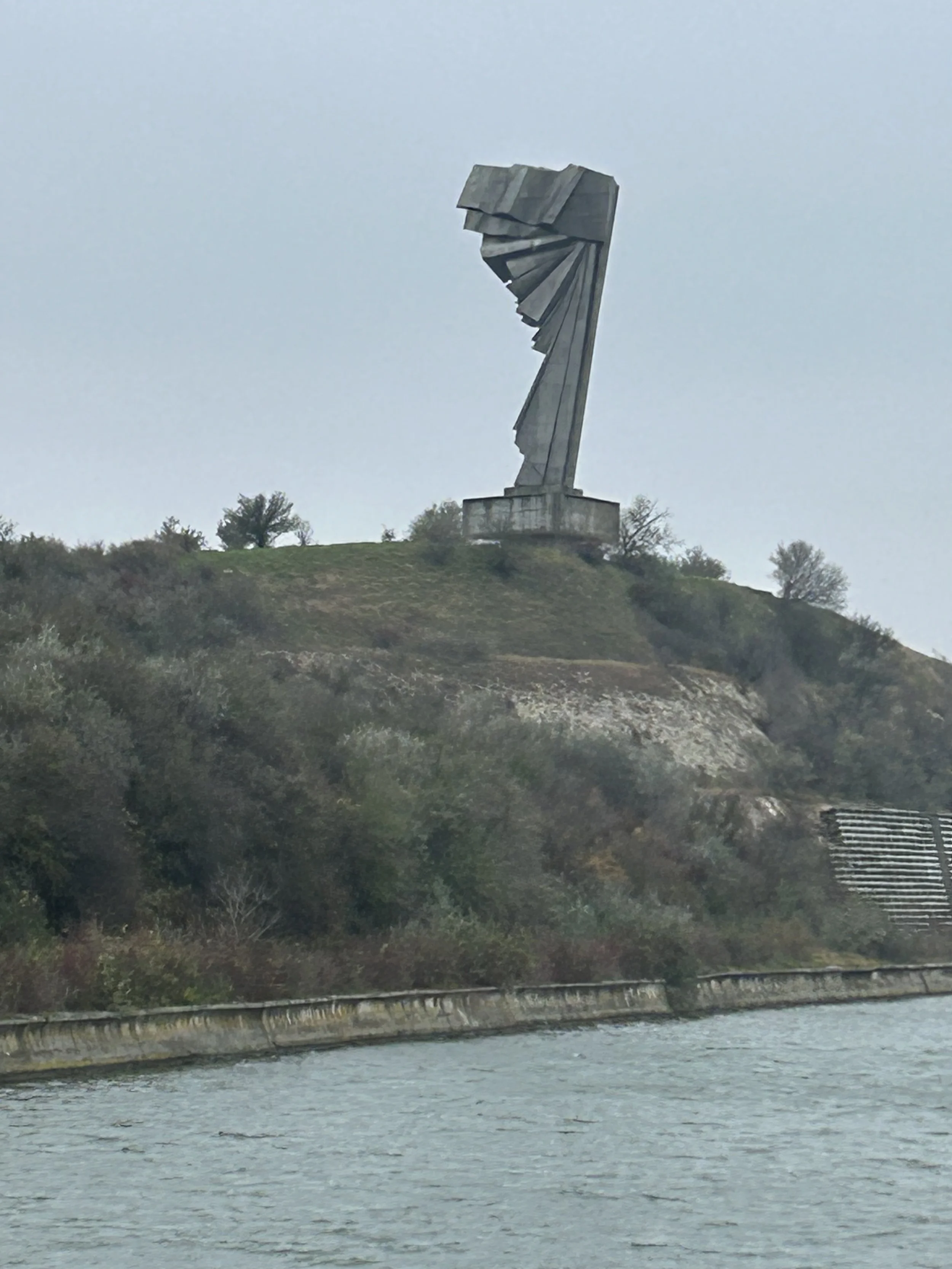
After Vidin, we spent a whole day going through, The Iron Gate, a massive lock, and then sailing through the mountainous region where the Danube forms the border between Romania and the Capathian Mountains to the north and Serbia and the Balkin Mountains to the south. There were a couple of areas where memorials had been carved into the side of the mountain. This was the first significant scenery we had been able to enjoy from the ship, since everything up to this point was flat plains. Locks are always interesting to go thru. The ship navigates into a steel and concrete chamber and the gate behind closes. Then the chamber slowly fills, raising the ship to the level above the dam.
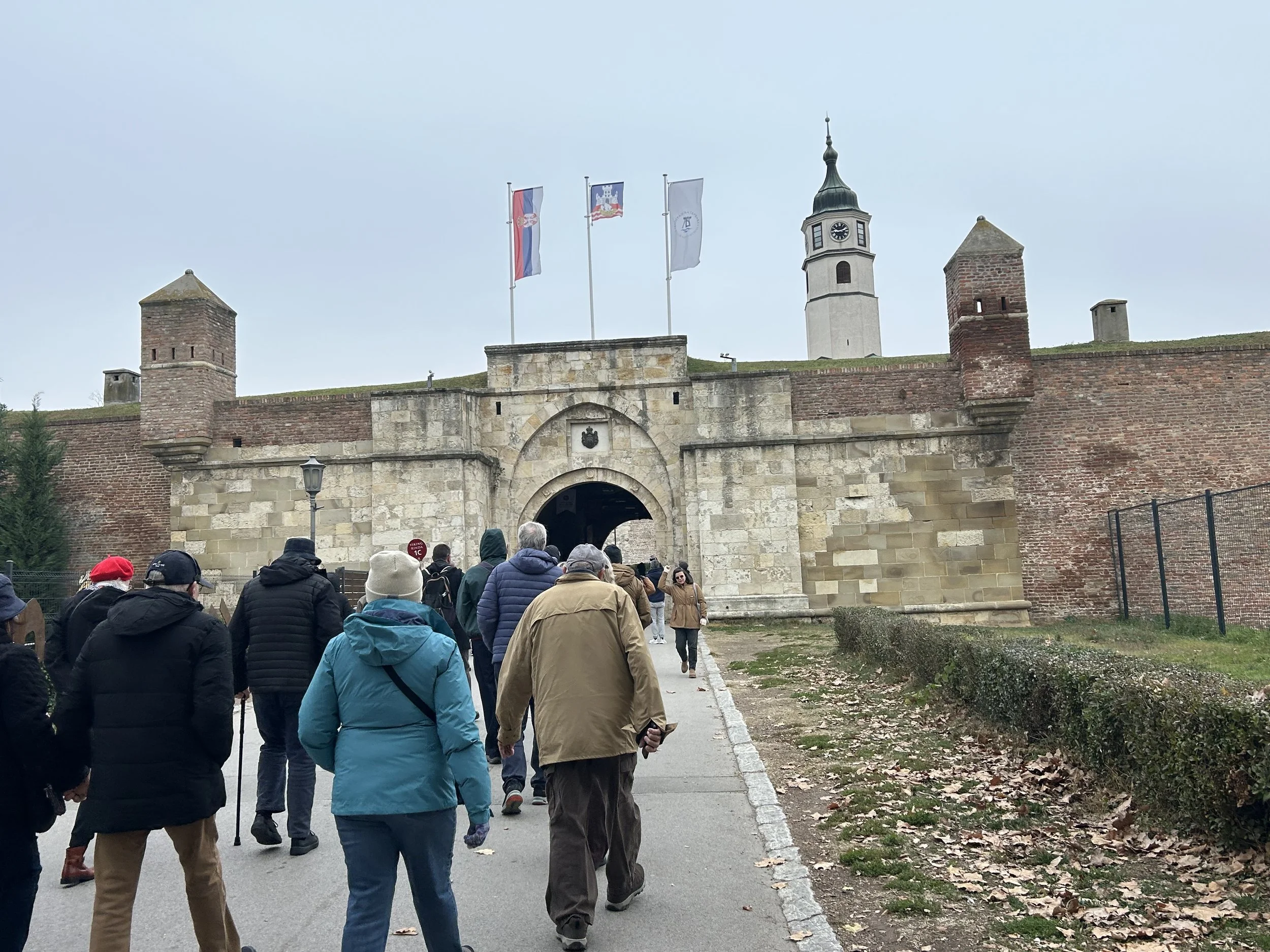
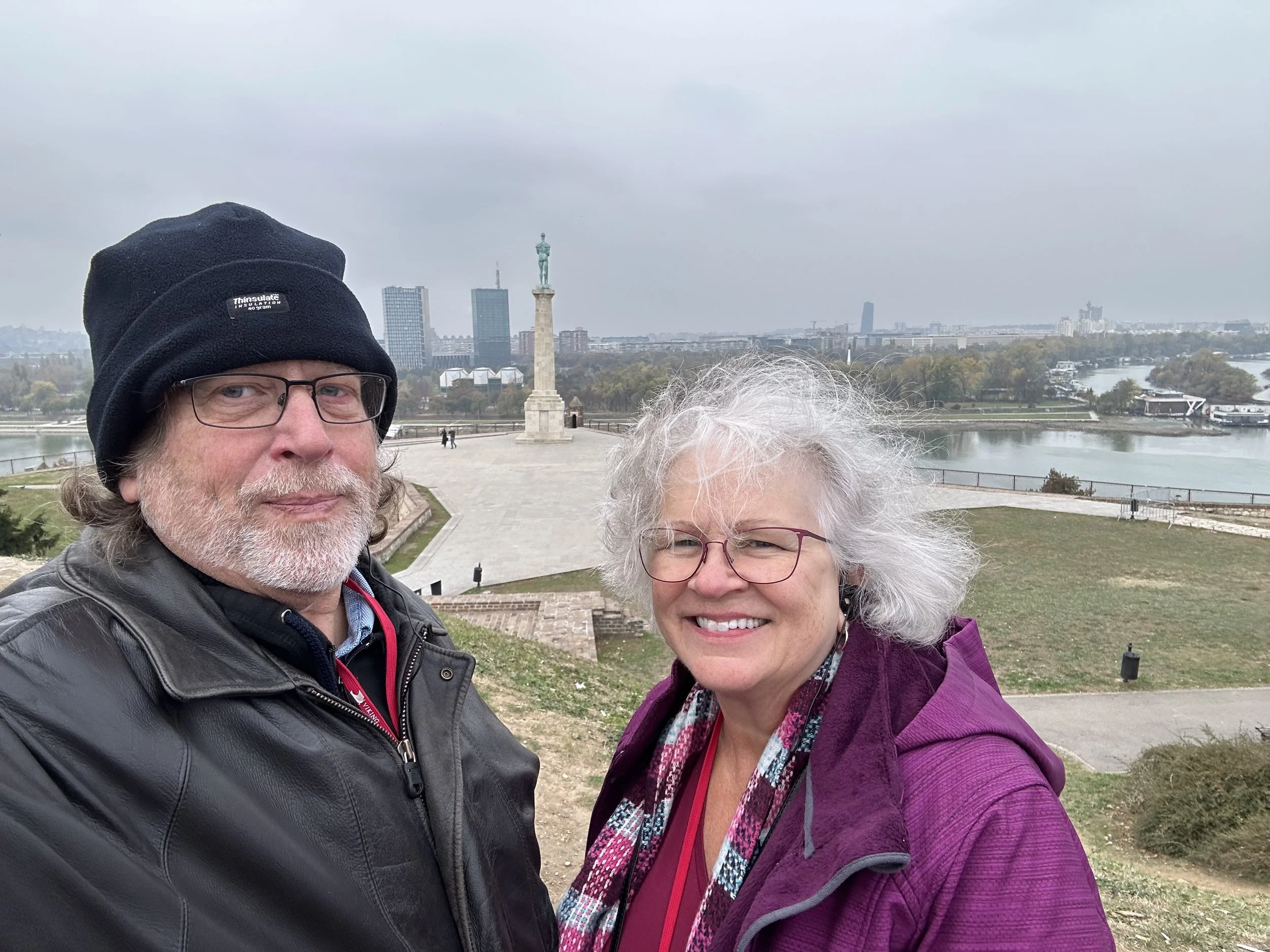
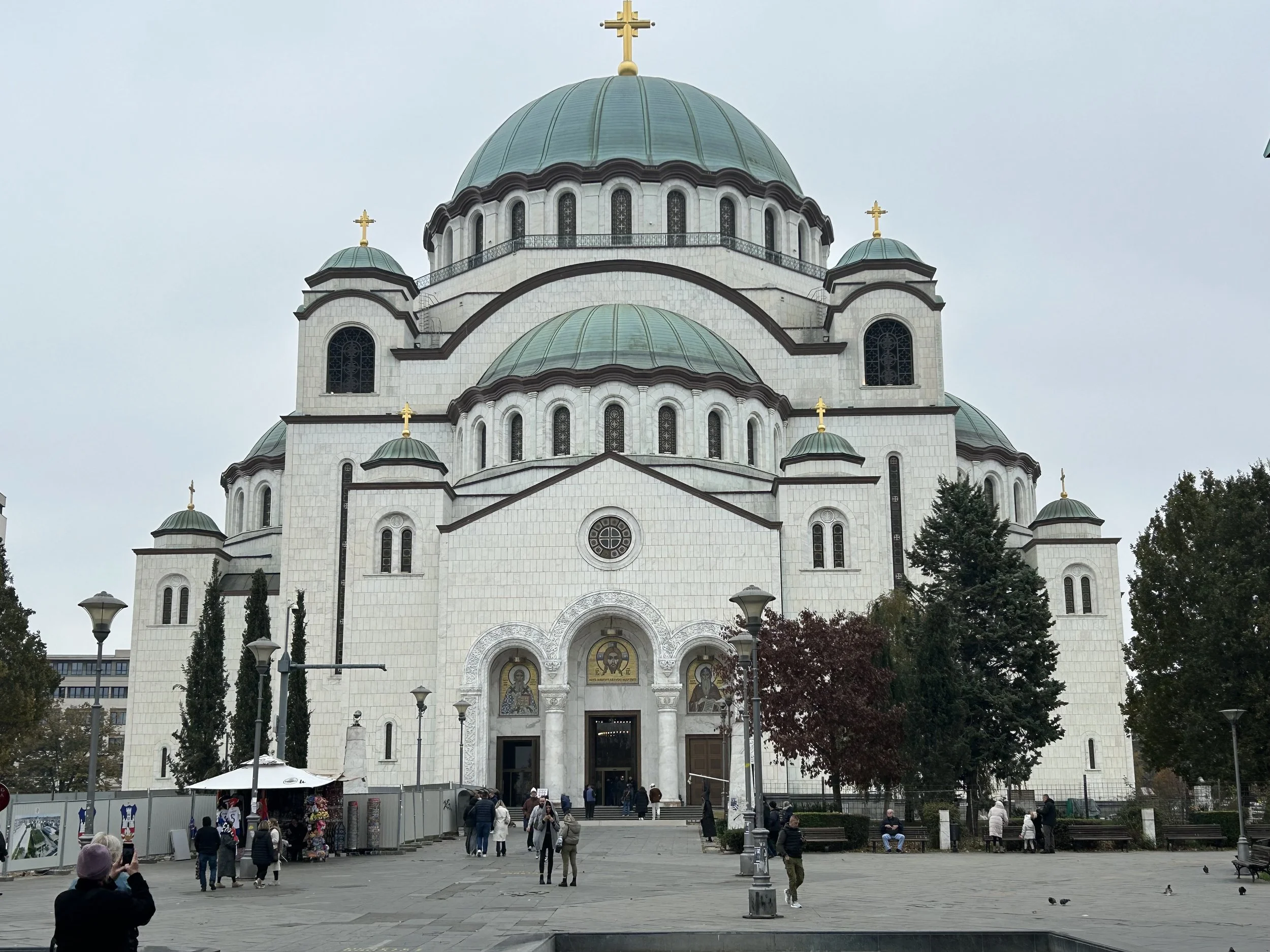
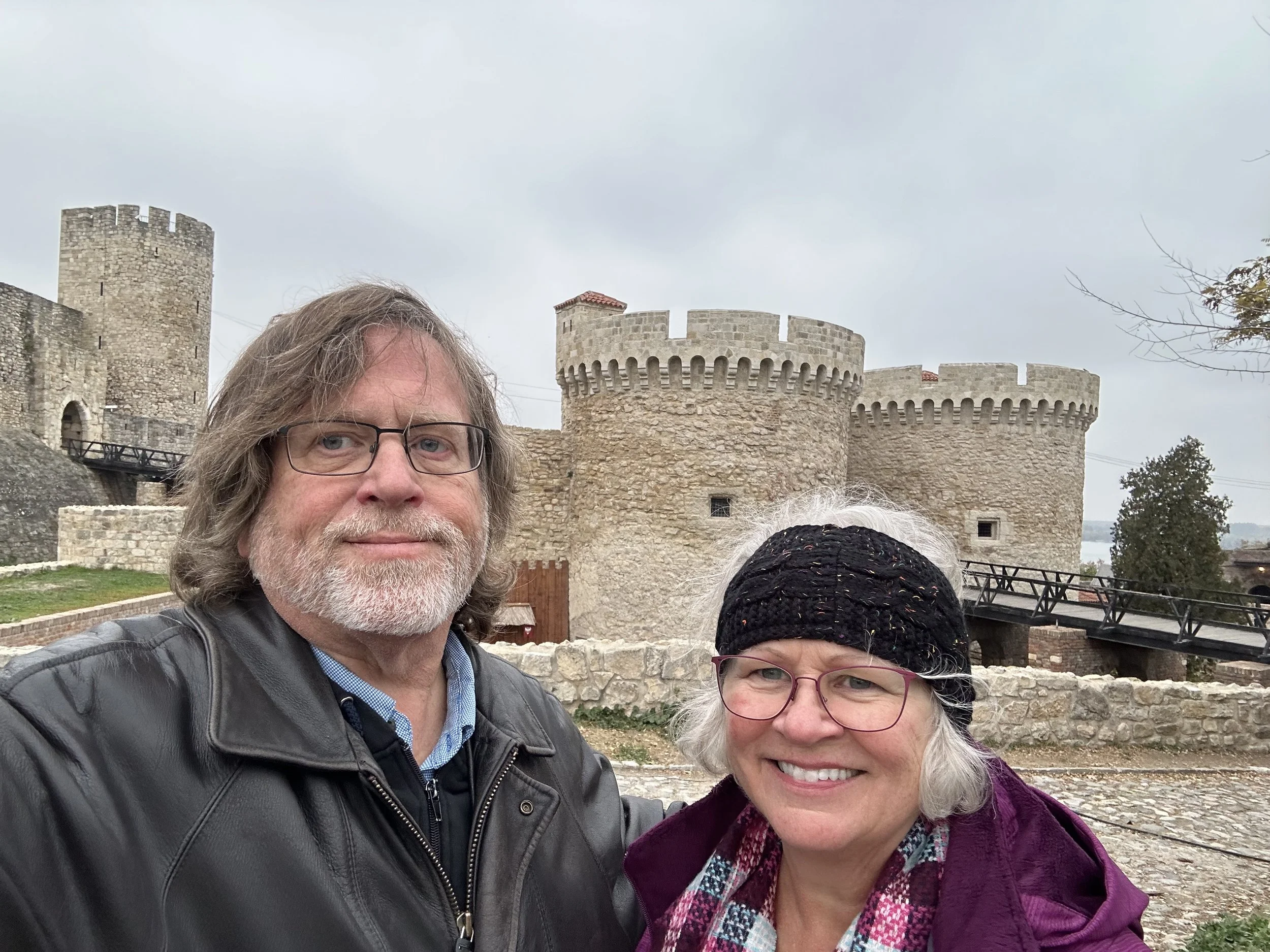
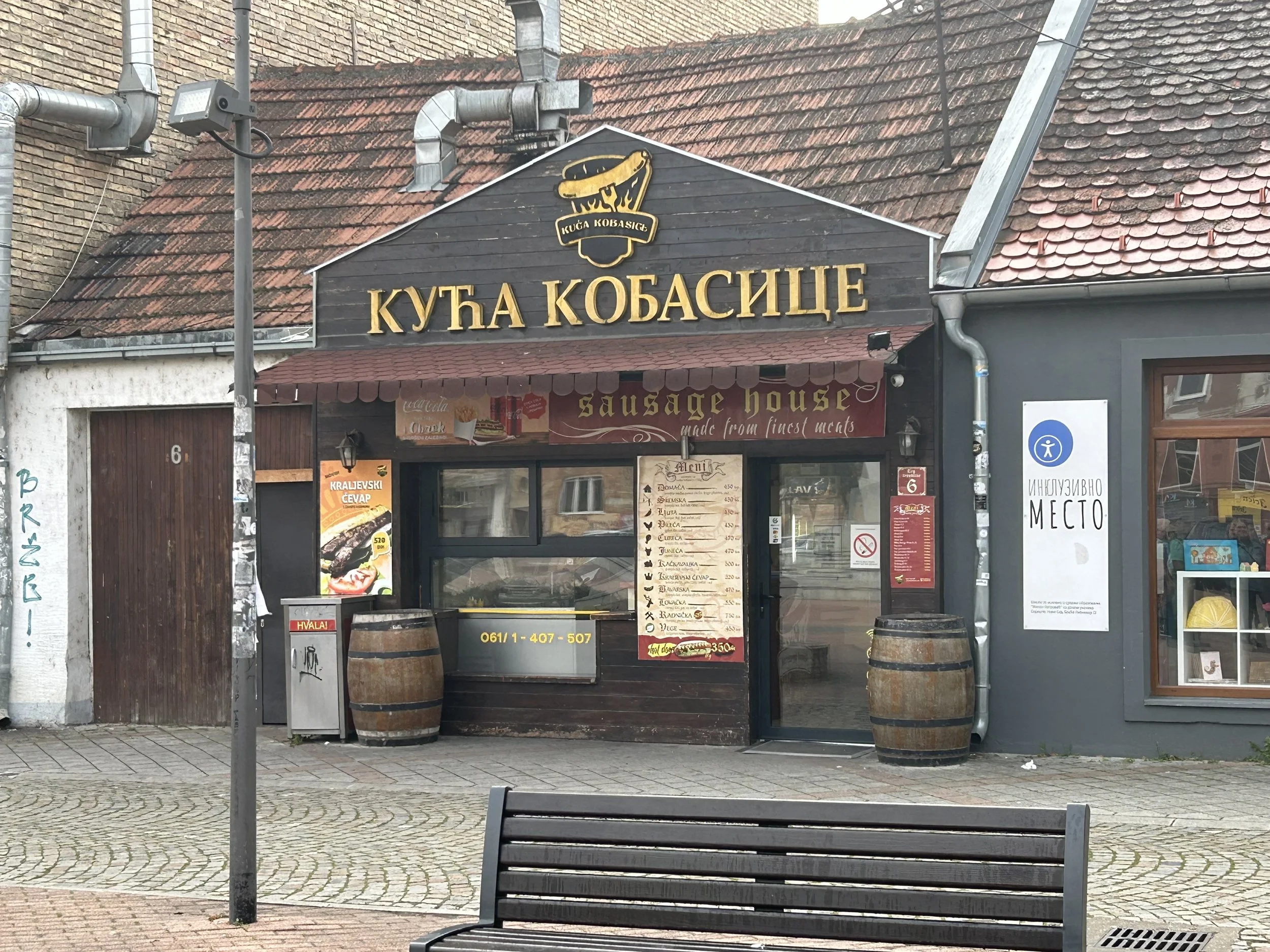
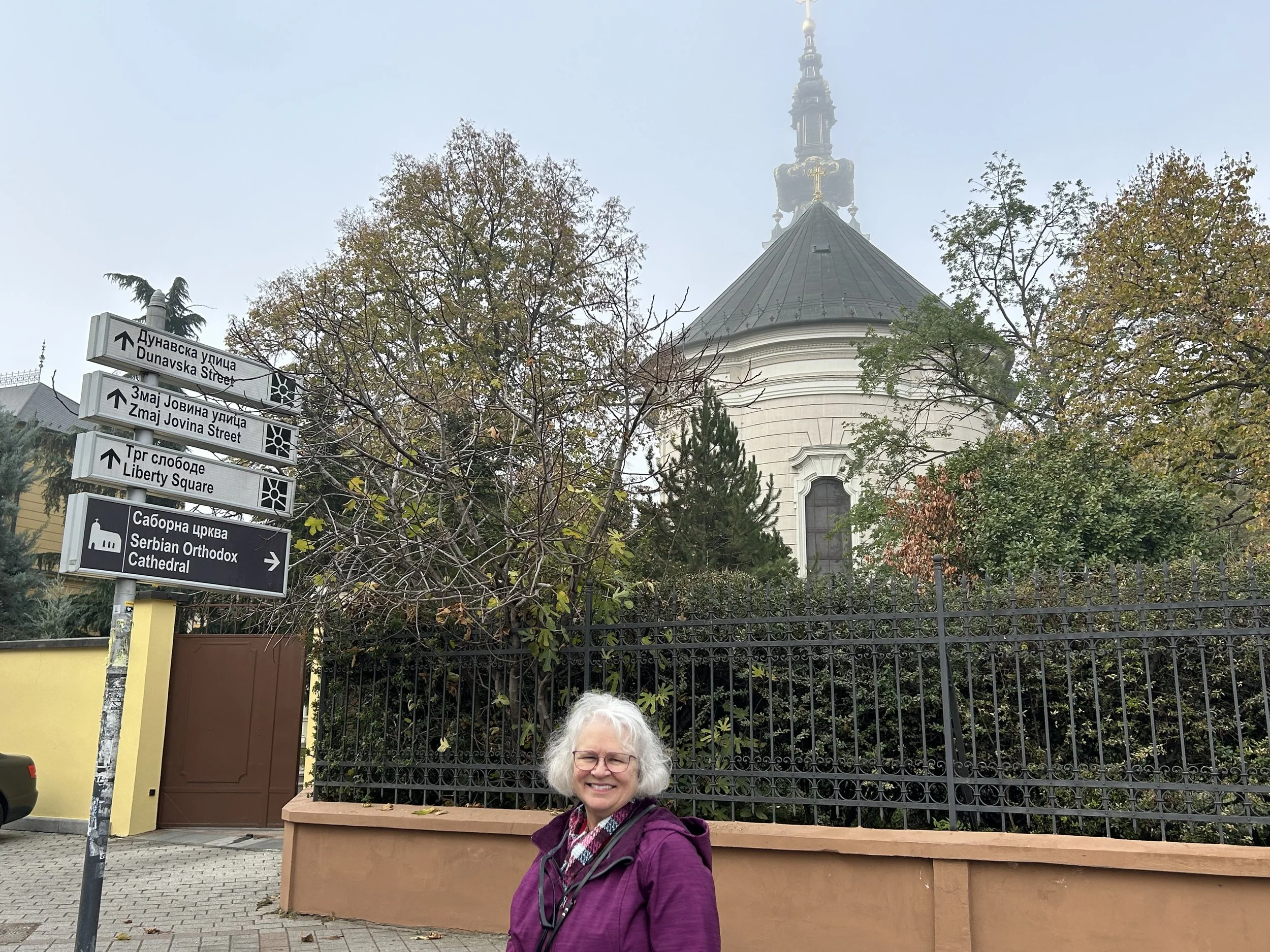
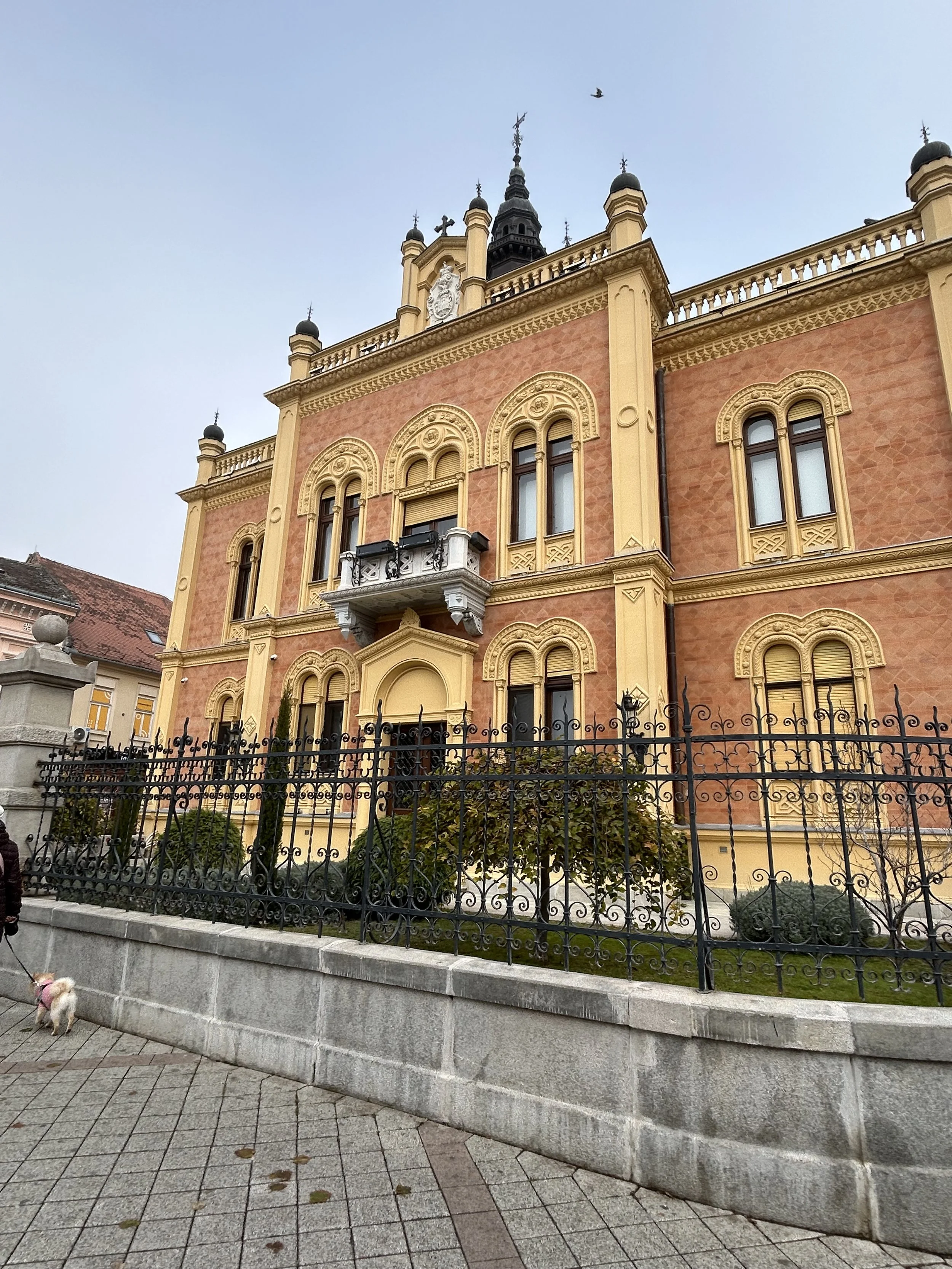
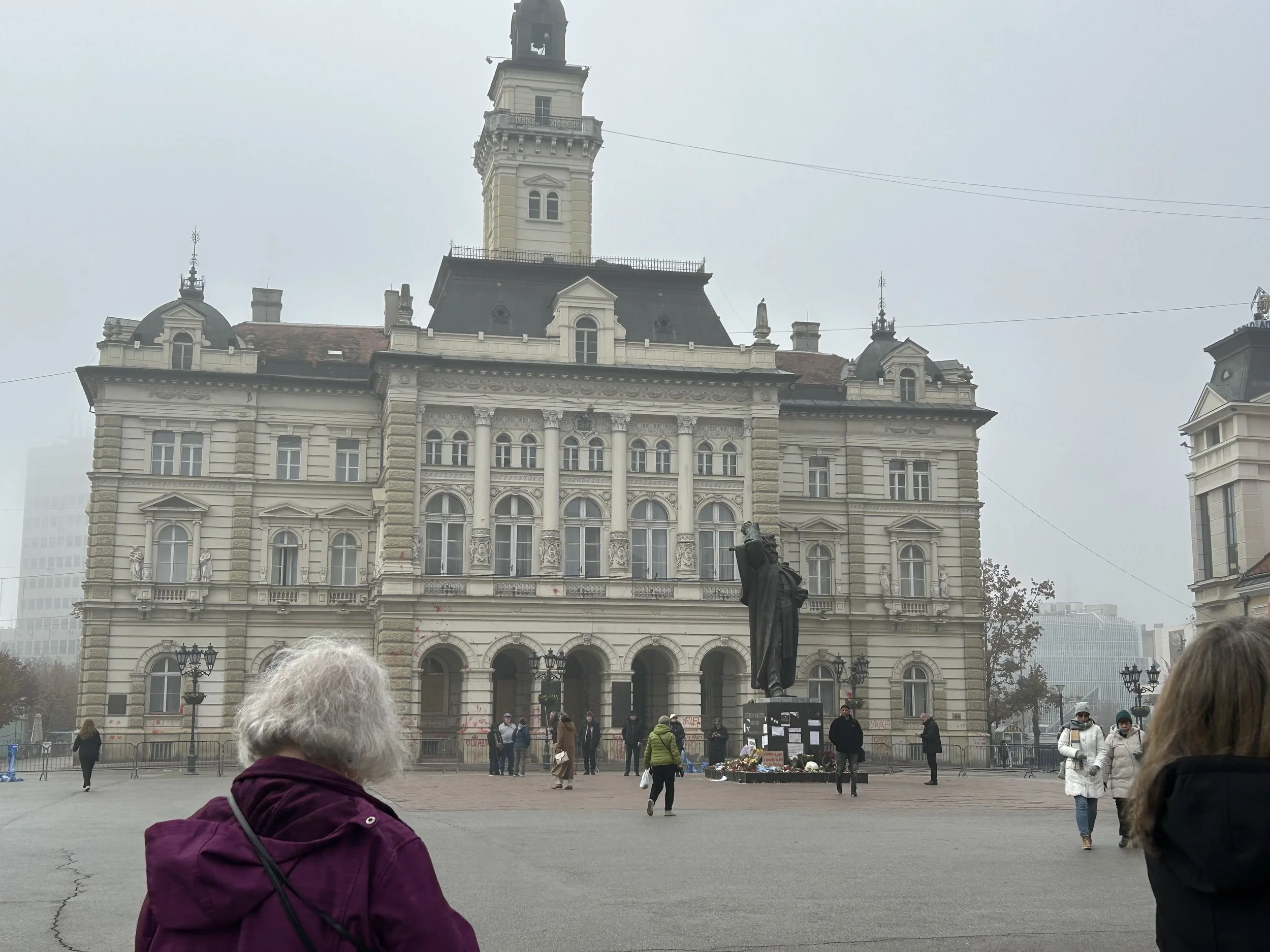
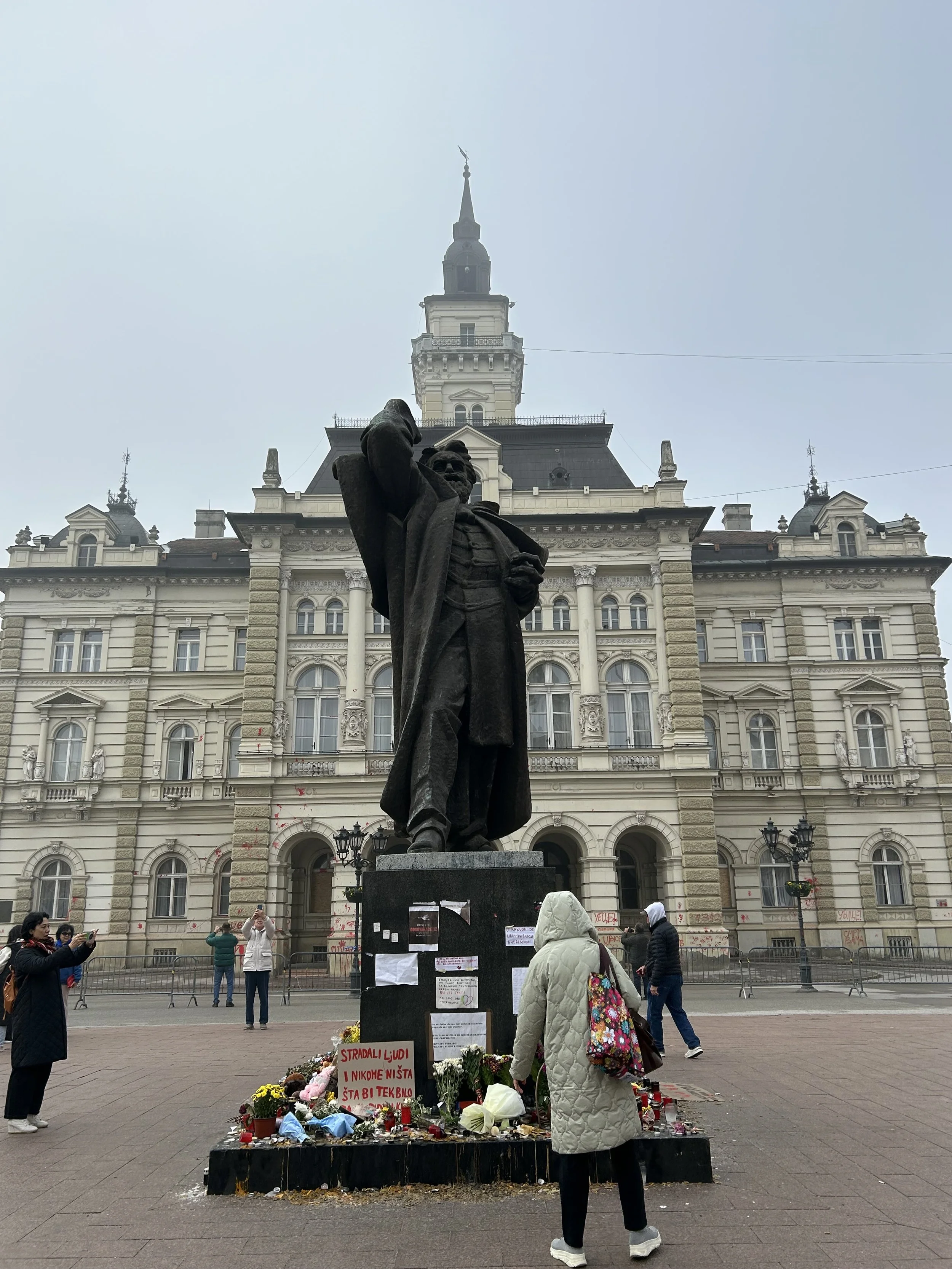
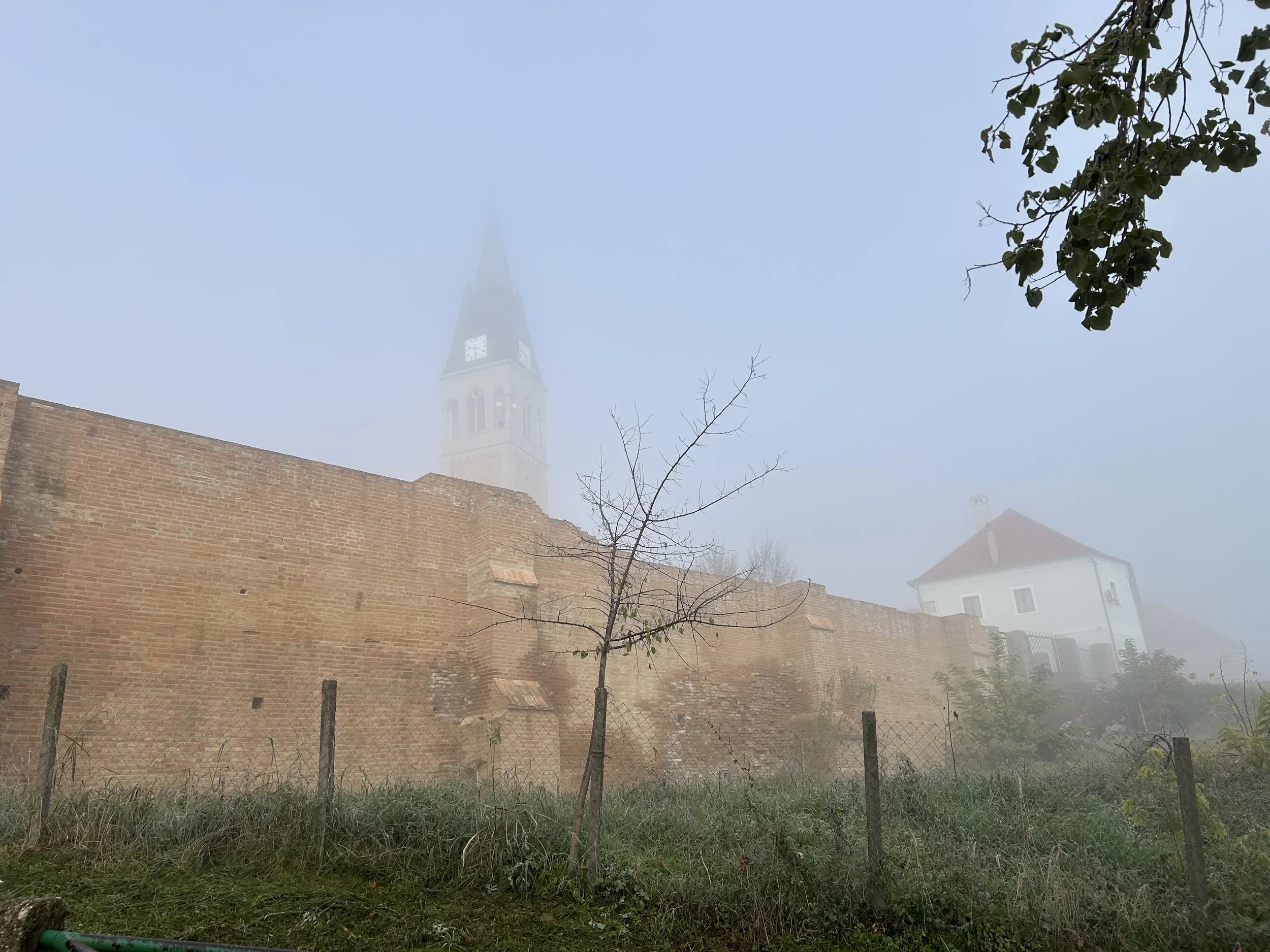
In Serbia, our guide on a walking tour through Belgrade chided all of us from the west, saying everything is more relaxed here because smoking is allowed everywhere. From what I saw, I’m not sure it wasn’t mandated everywhere. Probably taught in the schools. He also had interesting comments supporting Serbia’s honorable role during the split-up of Yugoslavia into various countries that resulted in the Balkin wars thru much of the 90’s. Later in Slovenia, we heard the horrible atrocities committed by Serbia on the countries trying to shake off Serbia’s rule. Belgrade had fortress overlooking the Danube. My Bride read that the fort had been invaded over 100 times throughout history. I guess they should have reconsidered all those exterior revolving doors and welcome signs. We also stopped at Novi Sad, Serbia. Across the river from Novi Sad is Petrovaradin and a huge fortress complex on a hill. The Petrovaradin Fortress is the second largest fortress in Europe (Verdun, France is the largest) and supposedly has never been infiltrated by an enemy army, turning away multiple attacks from the Turks. In at least one instance, the invading army couldn’t take the fort, so they shelled Novi Sad until two-thirds of the city was completely destroyed. So maybe the fort wasn’t invaded, but I wouldn’t consider that a clear victory either
Vukovar, Croatia got the crap bombed out of it by Serbia during the Balkin wars. The most famous landmark in the city is a water tower with hundreds of holes blown in it. I always get a magnet for any new country I visit and for Croatia, I got one with the holey tower on it. On this tour, everything we saw was either in ruins, repaired, or rebuilt due to the war in the 90’s. Nothing nice was said about Serbia on this tour, so feelings are still a little raw due to the carnage inflicted on this city.
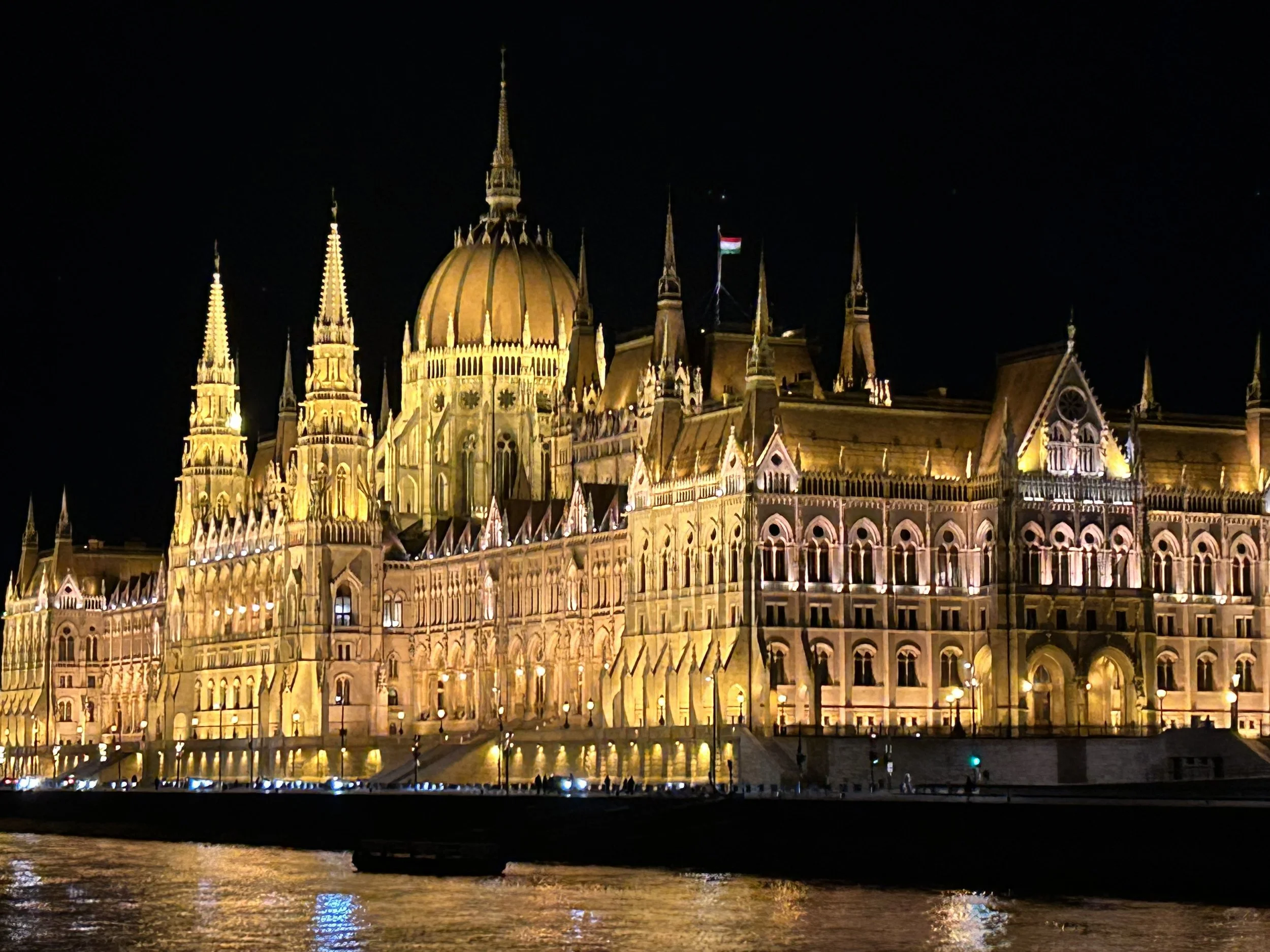
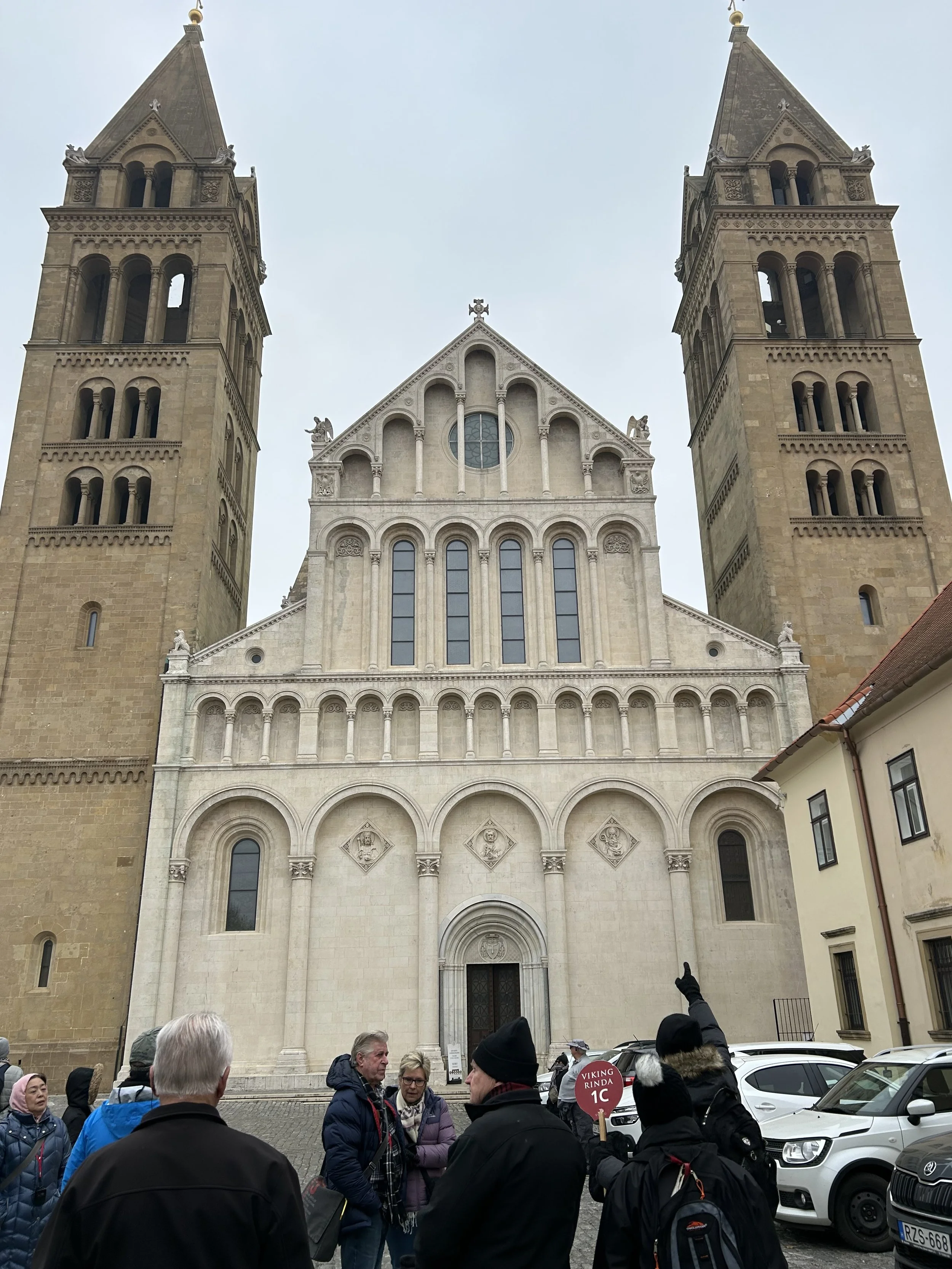
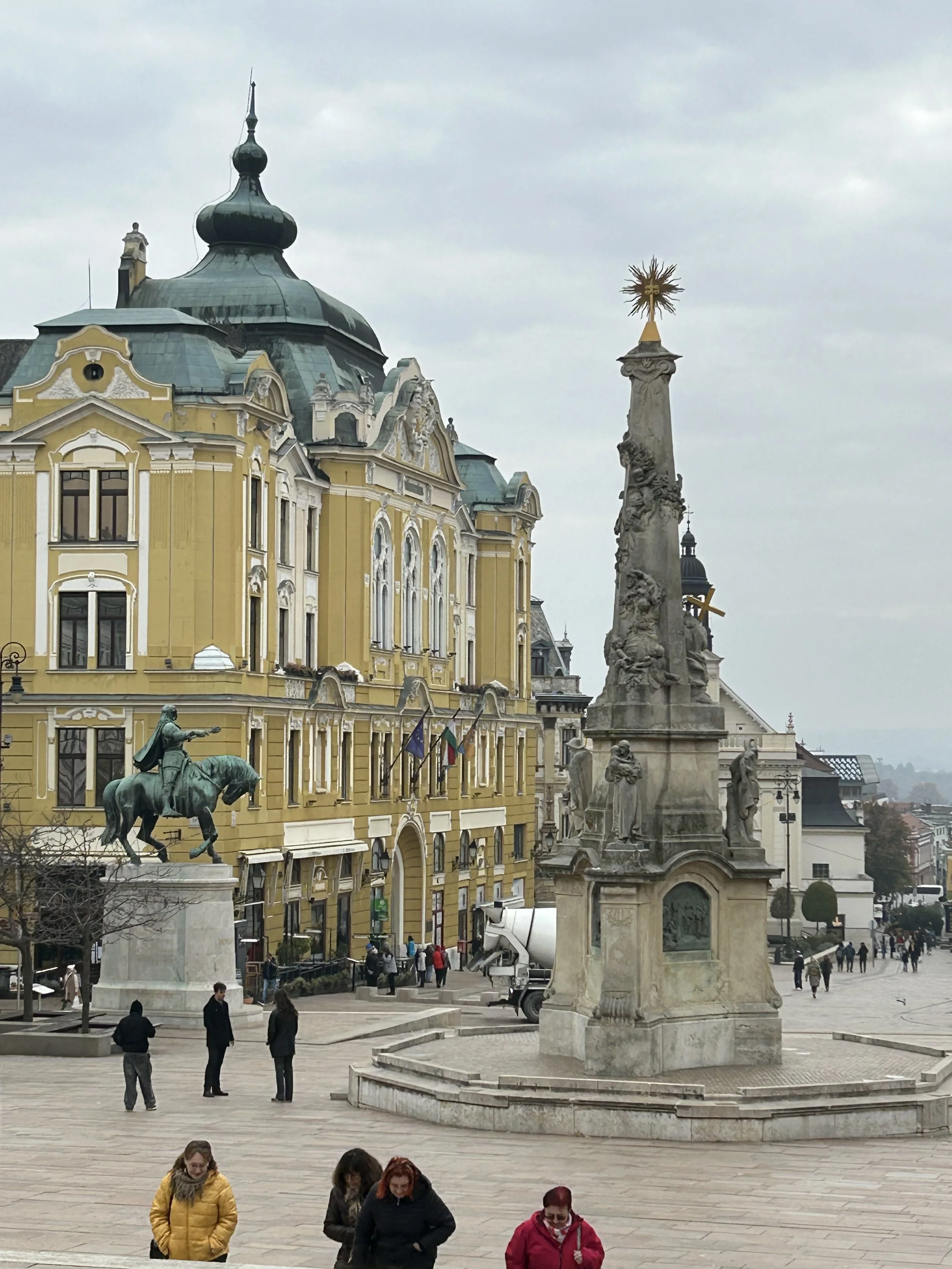
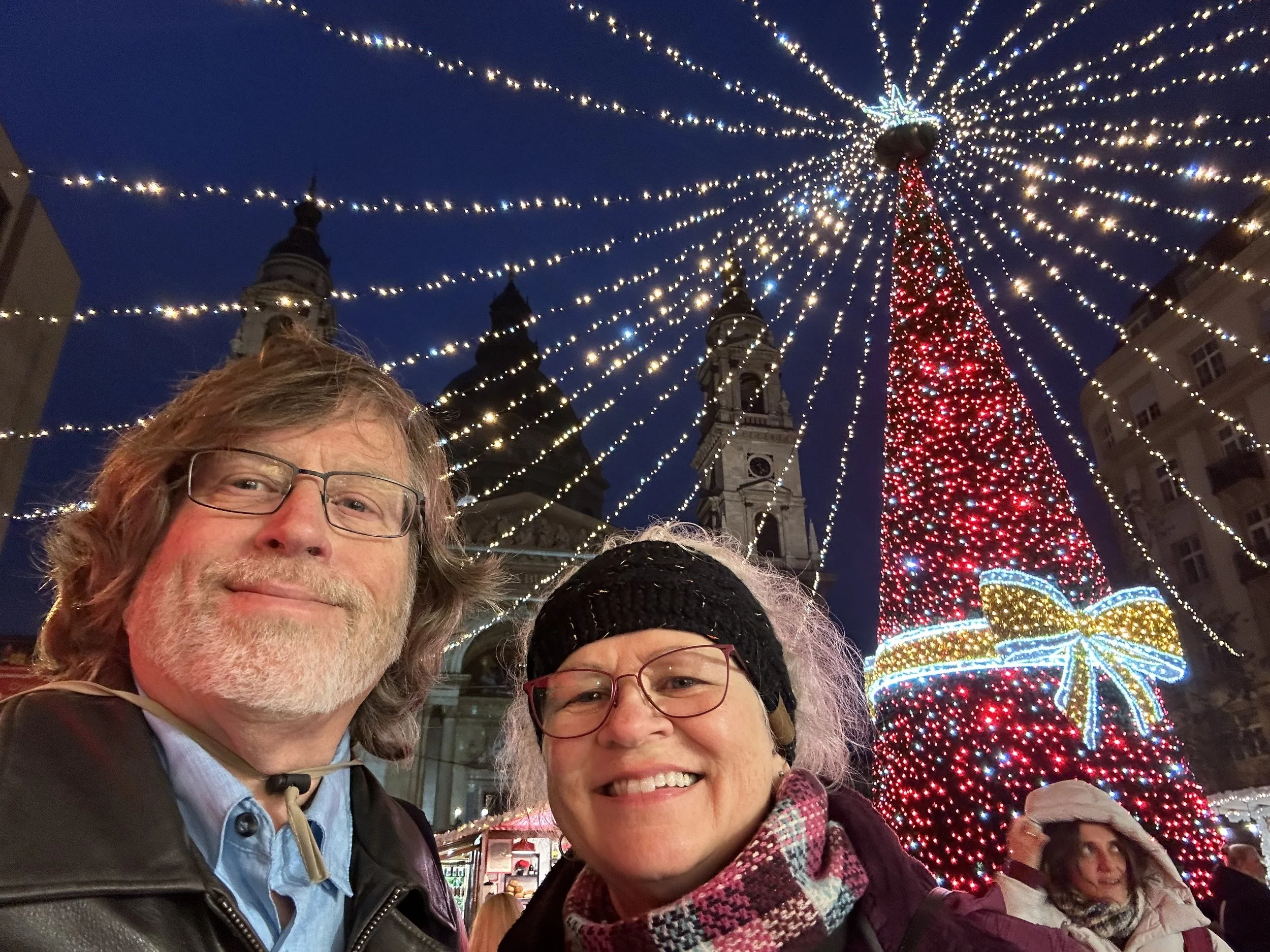
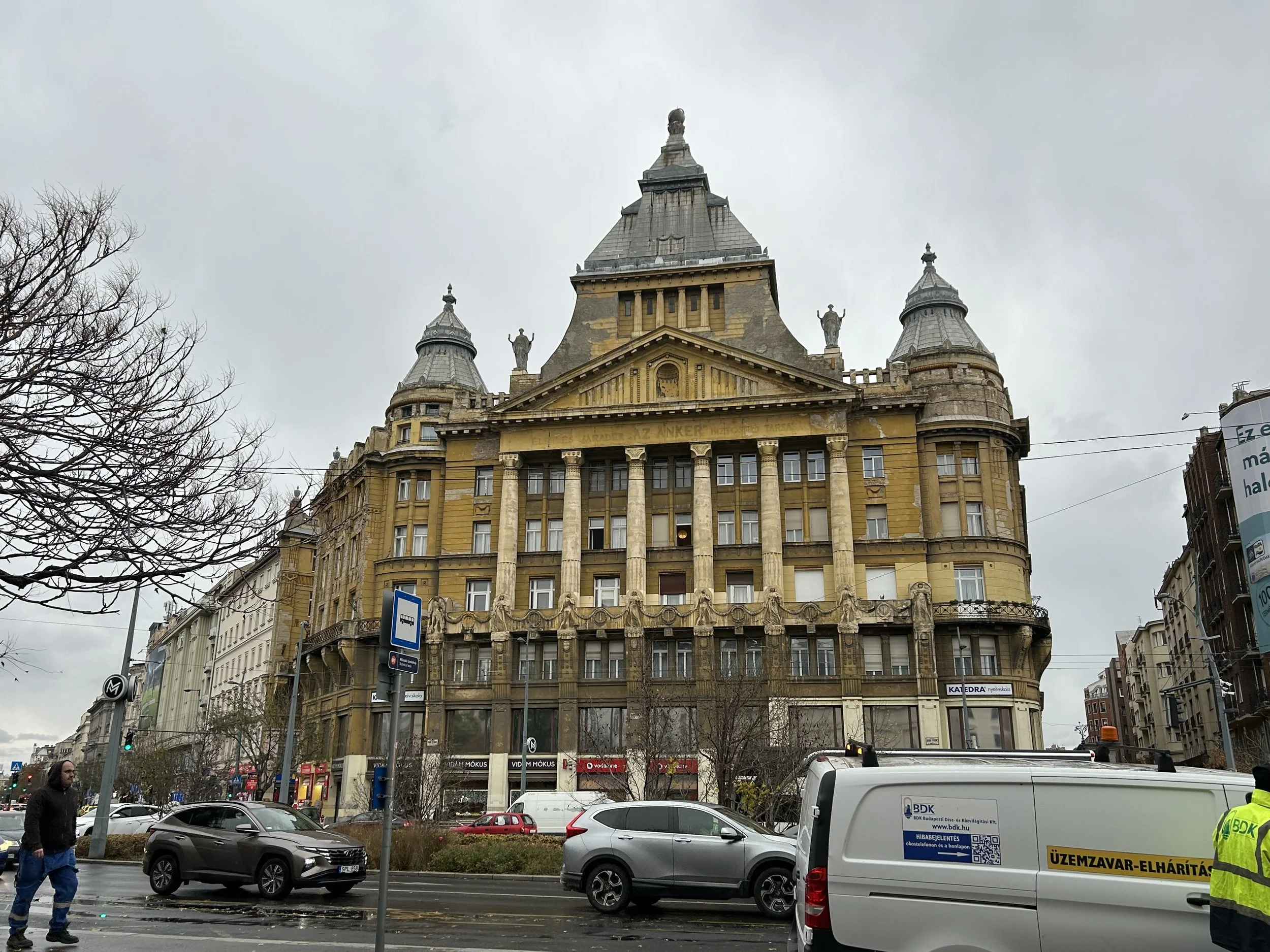
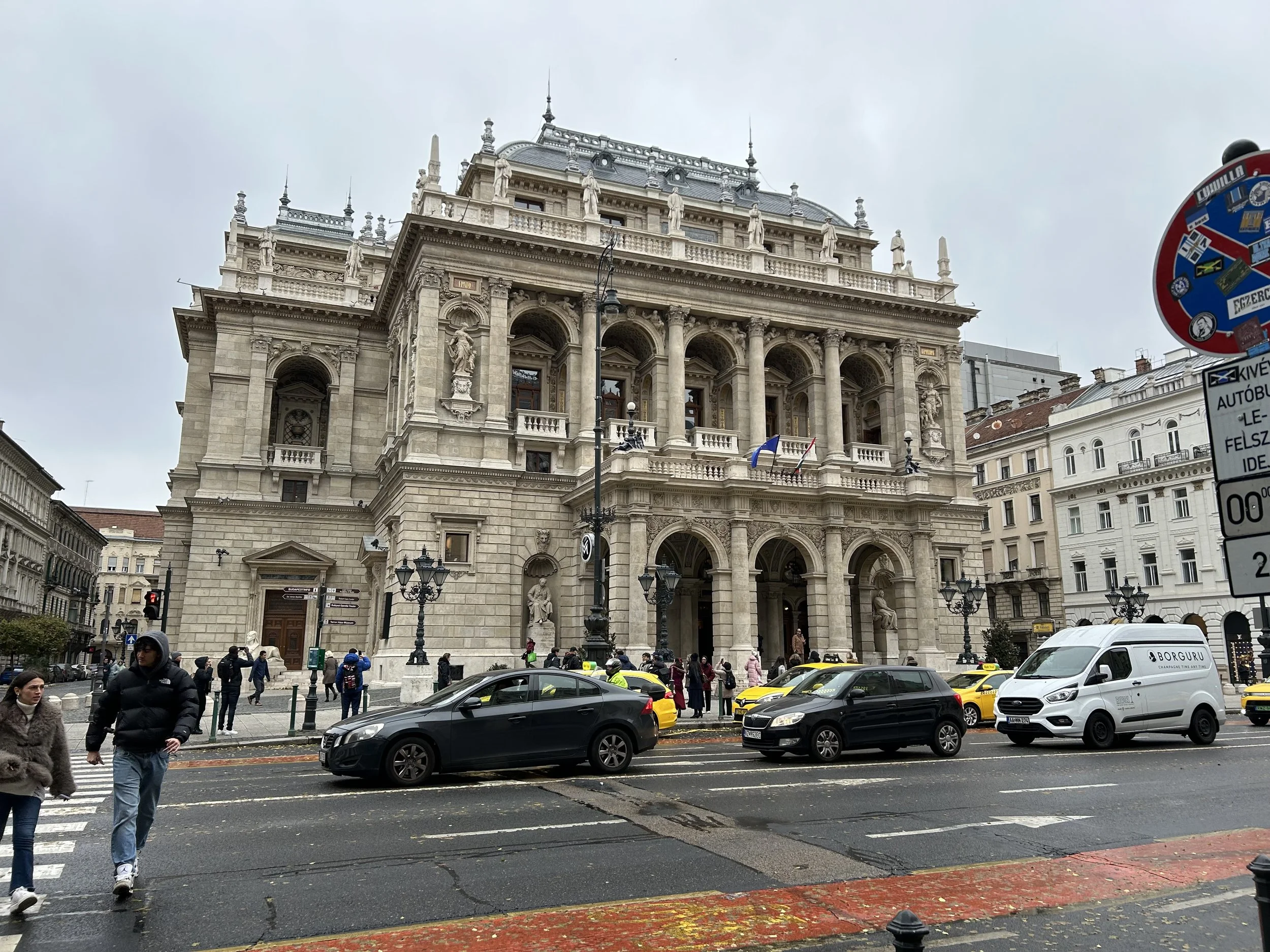
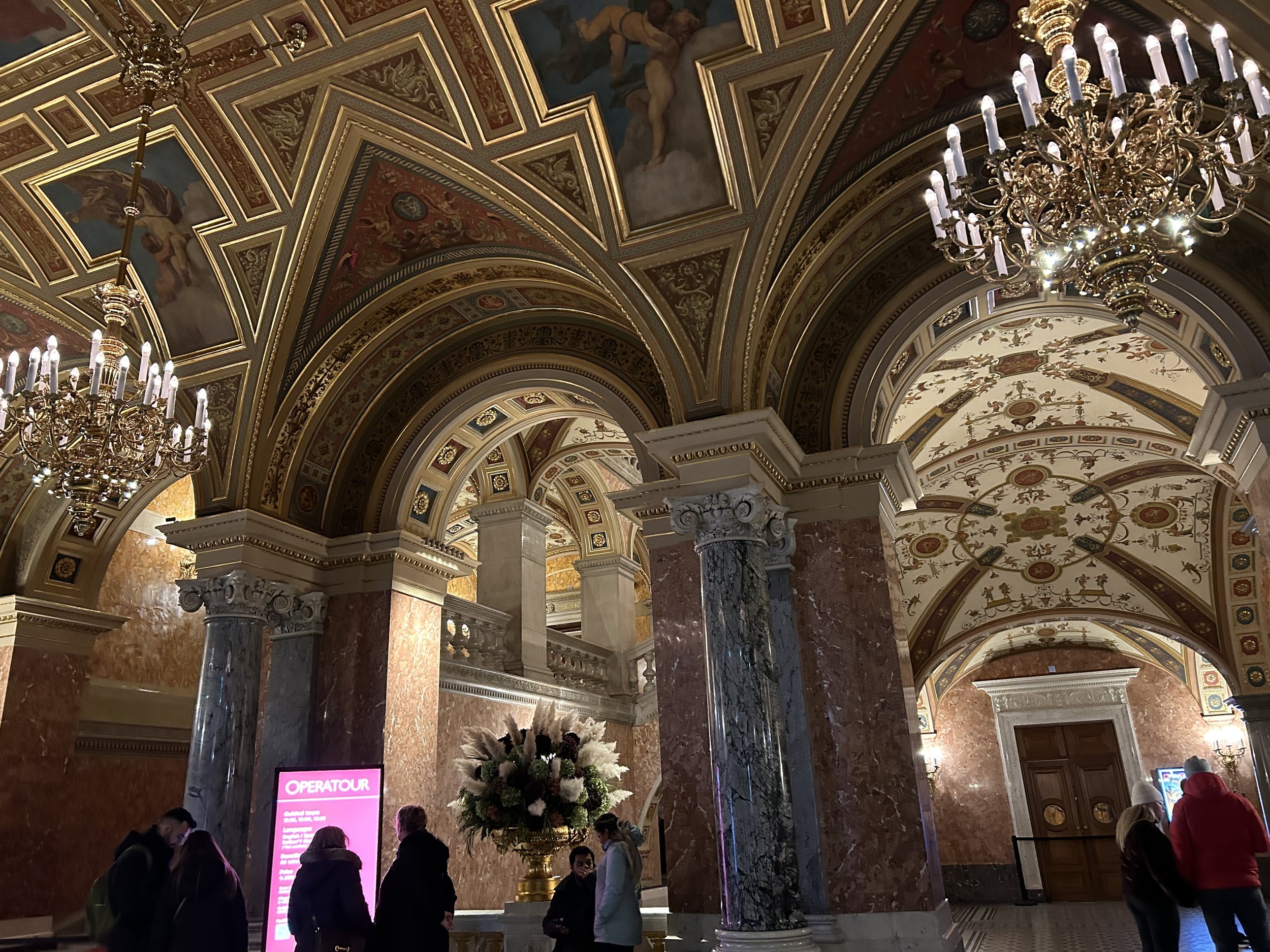
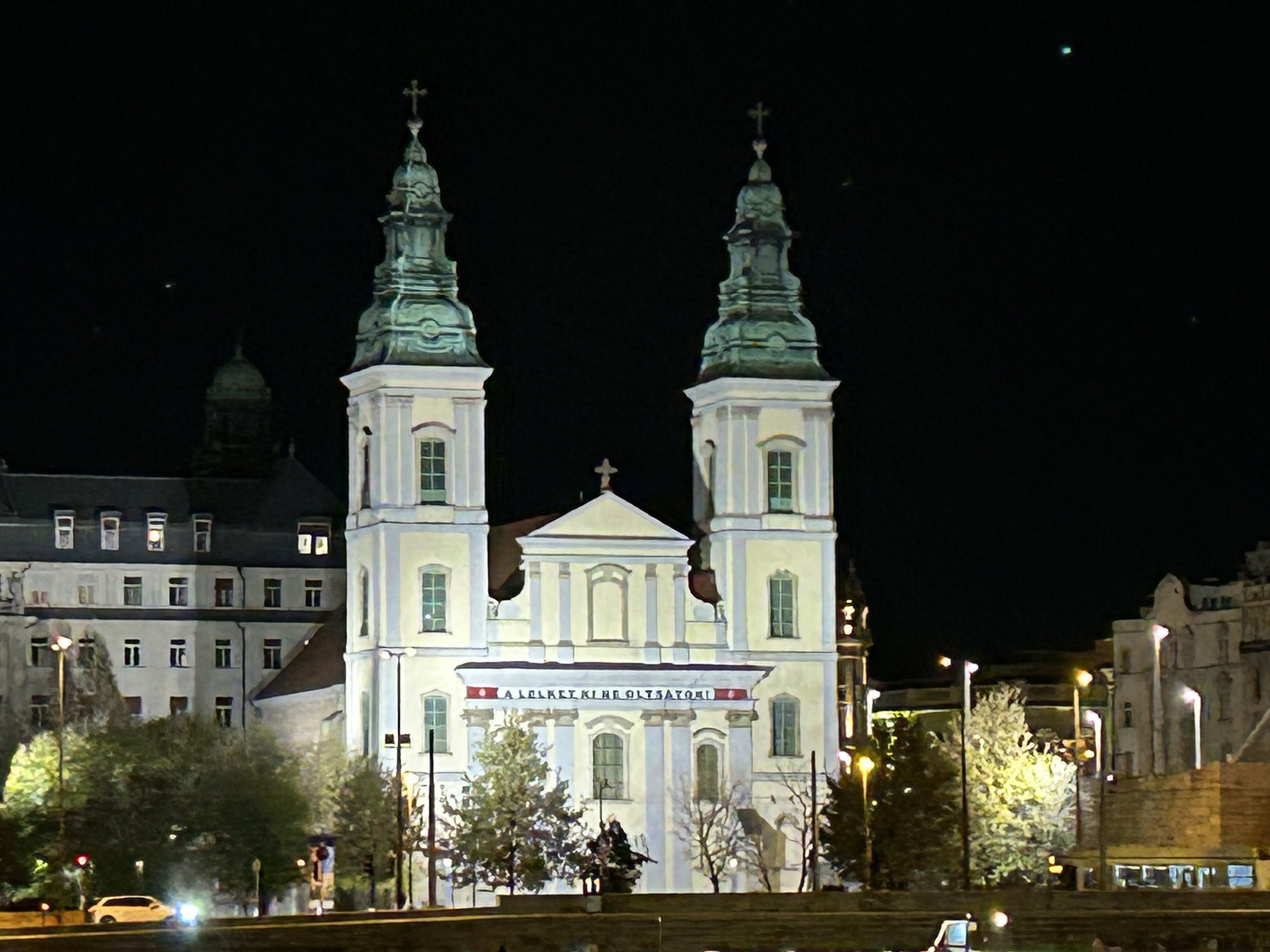
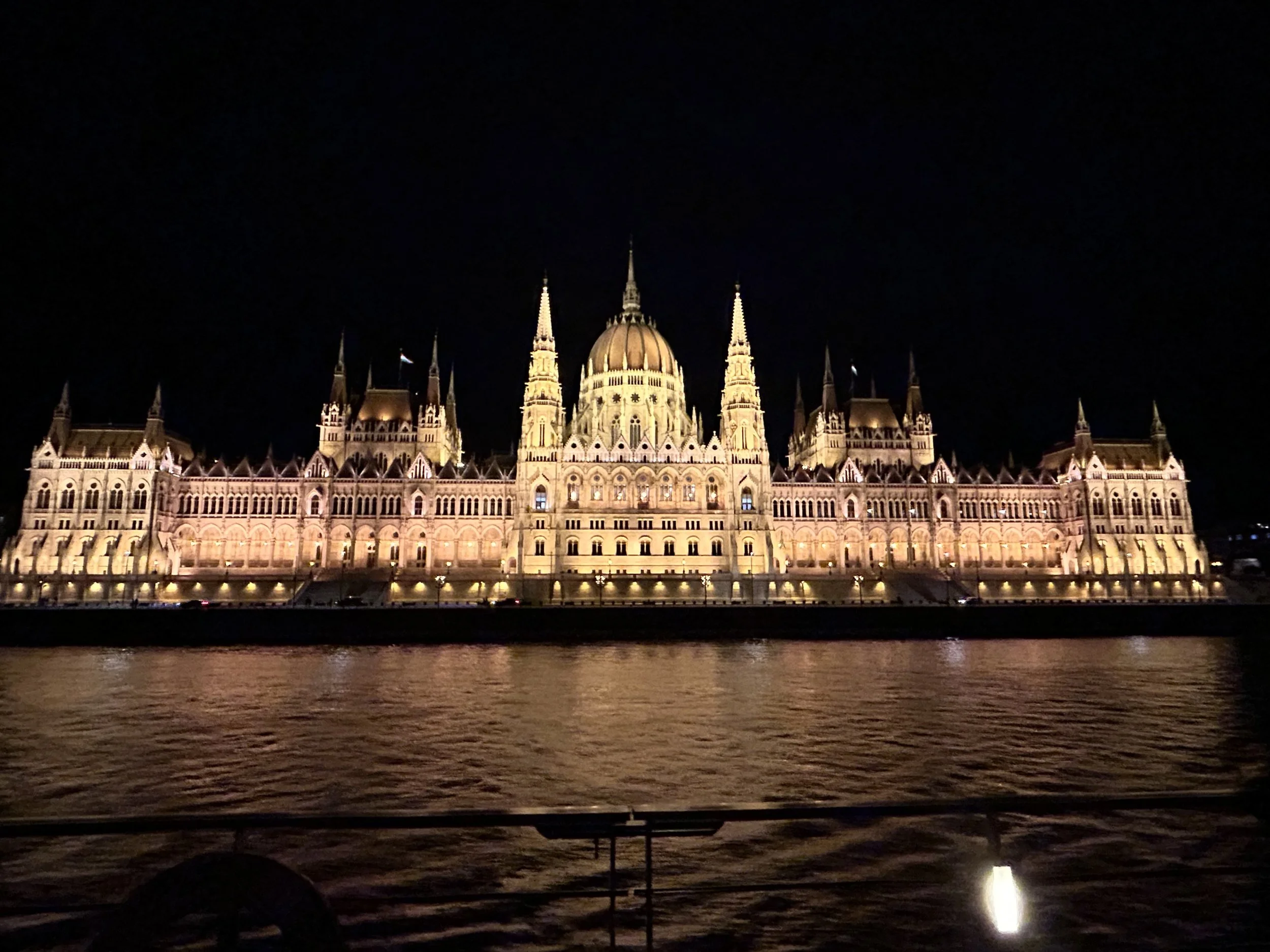
We stopped in Pecs, Hungary, then on to Budapest. Budapest is actually two towns located across the river from each other. Buda is hilly and located on the west side of the Danube, while Pest occupies the flatter east side. Both sides have a lot of classical architecture. On the Pest side, we ran into our first Christmas Market that central Europe is famous for during this time of the year. Lots of smells, eats, and sights for the season that I won’t do justice by trying to describe. Readers should try to make an effort to experience these for firsthand. We stayed in Budapest for two days, sailing out the evening of the second day where we could enjoy the sights of the Parliament, other buildings, and bridges, all illuminated.
The capital of Slovakia was up next. Bratislava sits wedged in between Austria and Hungary on the Danube. Finally we ended our cruise in the city known for flavorless and gross canned sausages: Vienna, Austria. Vienna is a huge ornate city with a McDonald’s. (I get tired of fancy-pants ship food pretty quick on any cruise! Usually by the second day.) Vienna has a huge (and grossly misspelled) Christmas market, the Christkindlmarkt. There had been a fire in the Vienna subway and when we took the line that went to the Christkindlmarkt, everyone got off after three stops and the train didn’t continue any further. There was no announcement or signage of any kind in German or English explaining what happened. We were able to navigate at street level to the market and it was only later back on the boat that we learned about the fire and the disruption to the subway routes. Gee, it would be nice to actually post some info about that on the Subway kiosks where we bought tokens.
While the river cruise was over, my Bride and I took a train to Prague and continued our vacation for a couple of more days. Prague has a lot of things to see, but one of the most popular is a 600 year-old astronomical clock tower that parades the 12 apostles by each hour with other figures performing various tasks. There was a Christkindlmark (these were starting to get old!), a large castle complex (another castle or fort!?) and the Charles Bridge with 30 statues of various saints. None were of me.
Back to the river cruise. I recommend the Capitals of Eastern Europe cruise along the Danube with one caveat – it is best to start at Bucharest and end in Vienna. The terrain is quite boring at the beginning but then develops into scenic sites around; the towns and cities become larger and there is more to do and see as you progress towards Vienna. I think going the opposite way would be disappointing.
Happy cruising,
Keith