
Venezuela 2000 Second Email
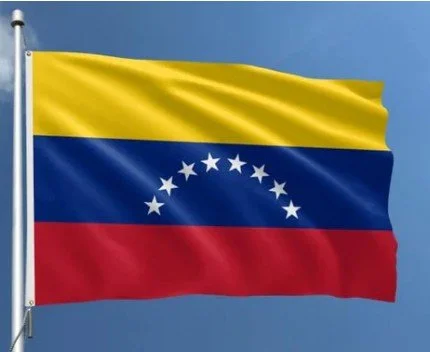
December 2000
Anaco Venezuela
Bueno Nachos from Anaco.
The other day while reading the menu in a restaurant here and trying to decide which entrée I wanted to get sick on, I ordered a cup of coffee. One of my lunch mates expressed the opinion that I drink a lot of coffee. I actually don’t care for coffee. However, in locations that the water contains bacteria, feces, larva or the remains of Jimmy Hoffa, I only drink boiling hot liquids or carbonated drinks that are still fizzy. I still consume everything that was in the water before, just in an inert form rather than in armed guerilla microorganism form. (Hey, we all live downstream of someone and/or something.) An added benefit of my traveling liquid program is that I can type about 800 words a minute on my PC by the afternoon each day and get home sooner.
Did you ever wonder where old automobiles go when they die? I can tell you this much: when Ford Gran Torinos die, they go to Anaco, Venezuela. I don’t think they have been manufactured anywhere since about 1977. I see more Gran Torinos driving two miles here than I would have seen on a dozen Ford dealerships in the US in 1975. It is peculiar how a particular car catches on in a country or region. The national car of Kuwait is the Chevrolet Caprice. All years. They outnumber the Mercedes (the #2 most-spotted car) at least four to one. The truck of choice in most of the Middle East for 10 years has been the Hi-Lux, a four-door compact pickup that just debuted for Nissan in the states. In India TaTa is the major brand. The TaTa is an Indian manufactured vehicle with all the implied quality standards that locale invokes. They call it a TaTa because you can kiss your arse goodbye if you drive off in one!
They let me drive here. And, I’ve been complimented several times by passengers to the effect that I put the local drivers to shame. My coworker is a responsible drinker, but since I only drink Coke or coffee, he flips the keys to me when he has a beer at dinner just to be safe. The other day, after supper he commented he wasn’t feeling too good as I was driving to the hotel and got held up at a traffic jam. “Too much to drink?”, I asked prepared to chastise him, if answered in the affirmative. “Not nearly enough to ride with you,” he replied. My window was down and I heard two cab drivers stopped in traffic next to me agree. Since I was already on the sidewalk, I said he could get out of the truck and walk to the hotel from there if he had a problem with my driving. He did admit later, however, that I’m doing everyone good, because he said he’d promised recently to stop drinking anything altogether and was certain that most of the survivors in Anaco would probably be priests or nuns by the time I leave.
We have now checked out of the hotel and are living in the VIP mobile home (an oxymoran?) in the residential area of the company base camp in Anaco. I now have access to some English TV channels here thanks to satellite technology. There are some drawbacks, however. I noticed one of the vehicles in the compound had a few huge dents in the hood. I asked the driver if something happened while out at the rig. He commented that he forgot and parked overnight next to the coconut tree a few weeks ago. I looked around and the only coconut tree I see is next to the VIP trailer. It is about 50 feet tall with about 200 coconuts in the crown that makes it lean precariously over the sidewalk and drive. So, anytime I enter or leave the VIP trailer, I’m playing roulette that I won’t get beaned by a three pound coconut. (The coconuts moving vertically when they narrowly miss aren’t so bad, but I’m getting aggravated at the ones thrown horizontally.) Gee, if they hadn’t picked up all the broken coconuts on the concrete before we showed up, we might have been cautious under the tree. You’d think they weren’t looking forward to our visit!? Completely unrelated, I now only eat off of their plates and only walk outdoors if I am next to one of them.
The local currency exchange rate is 697 Bolivares to the US dollar, so you need a backpack to carry enough currency to buy groceries. When someone tells you “saluté” (pronounced sa-lu-ta) here, you have not been mistaken for a generalisimo or the presidenté, but have just sneezed. In Arabic countries, when you make a request that the locals aren’t going to do, they won’t tell you “no”, but “enshallah” (ie “God willing”). Here, if they have no intention of ever doing something you request, the response is “manana” (ie “tomorrow”).
That’s all there is here. The new has worn off. Work is all-consuming at the moment with little free time for luxuries, such as sleep. And, I ready to head home! News and notes from stateside are welcome!
Asta la vista!
-Keith