
National Lampoon’s China 2017 Vacation!
China 2017
Write up from September 2026. No emails home at that time since most of home was traveling with me. Jade, our middle child, graduated from high school in May 2017. She had been wanting to return to the country of her birth, China, for a while, so we decided to schedule a vacation. Lily, also born in China, had no interest in returning. Her sixteen-year-old self explained it to me: “Superman is only super on Earth. On the planet Krypton, he is just like everybody else. In Tomball, I am like Superman, there are almost no Chinese here. (Insert glare at Jade!) But in China, I am not Superman, just one of a billion.” She has no memory of ever saying this, but I have her Mom/my Bride as a witness.
My Bride took the lead and planned the entire trip. She researched major attractions and short-listed the best ones we could cover over a couple of weeks. She arranged a meet-and-greet at every point and a guide for every day of the trip. I tend to use guides for major attractions when required and arrange all my own travel and hammer down the exceptions when (note: I didn’t say “if”!) they occur. We have a democratic household, so we put the method of travel to a vote. The count was 1 - 1. As anyone can clearly see, she won by a landslide. I was allowed to redeem free mileage tickets from Houston to Bejing and from Seoul home to Houston, but she would arrange all other travel through the tour agency. Because our Grandson Leo was adopted a few years earlier from Korea, she wanted to add Seoul, Korea to our agenda. Because I never traveled internationally beyond Trinidad in my current job, I insisted on adding Angkor Wat, Cambodia – a long time resident on my bucket list. So here is our Journey through China. Cambodia and Korea are separate write-ups in their respective counties on this site.
Beijing
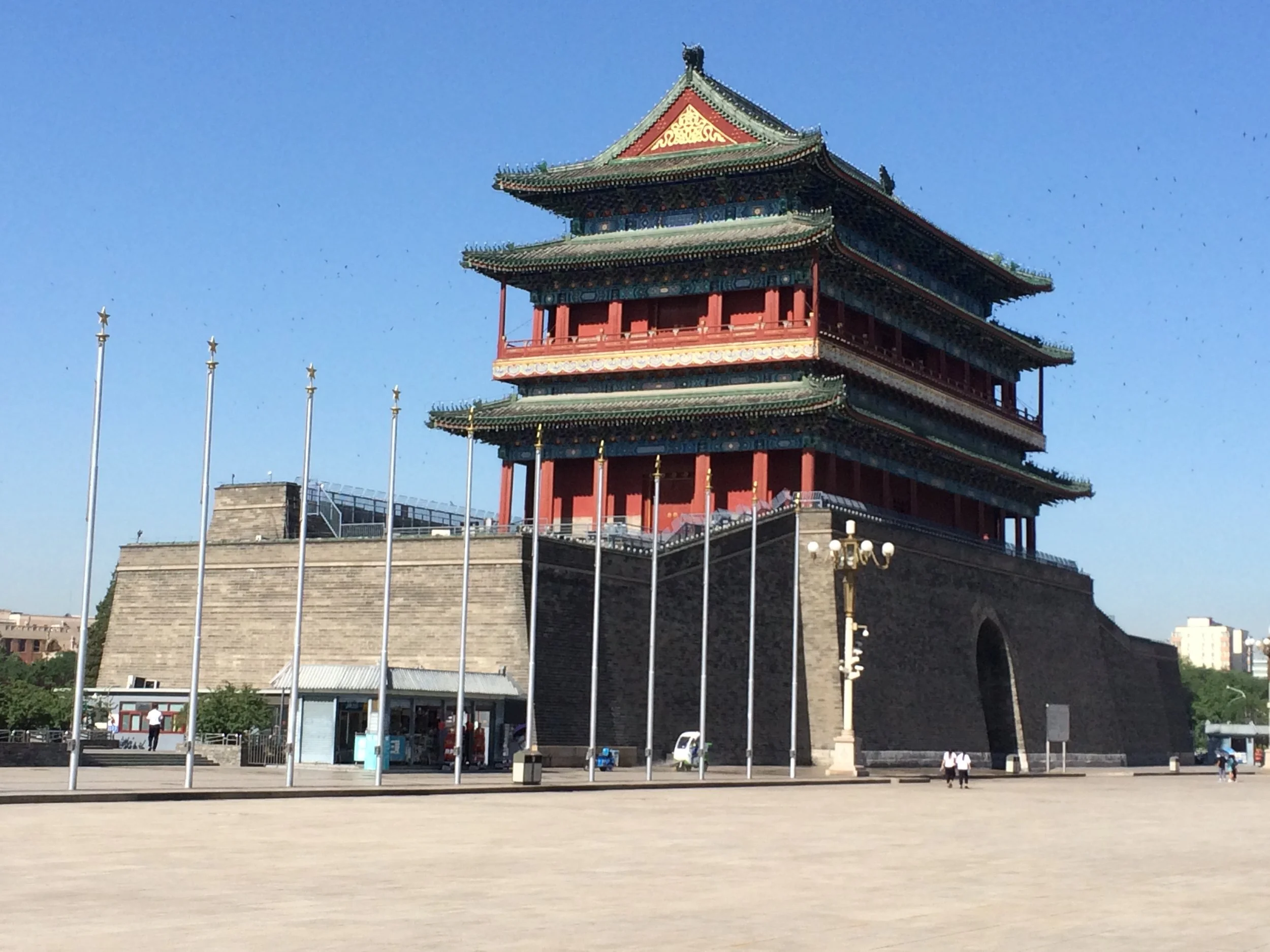
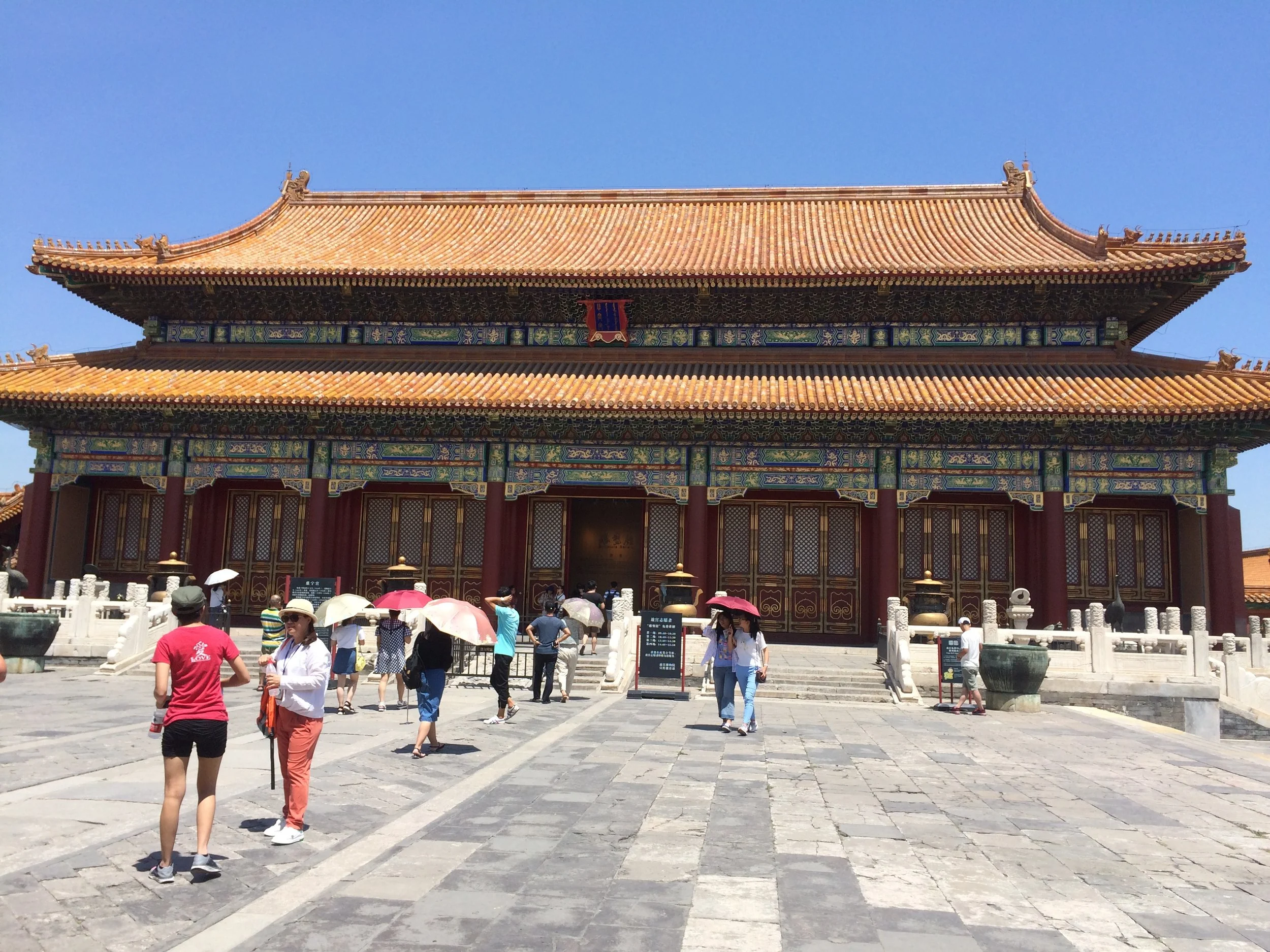
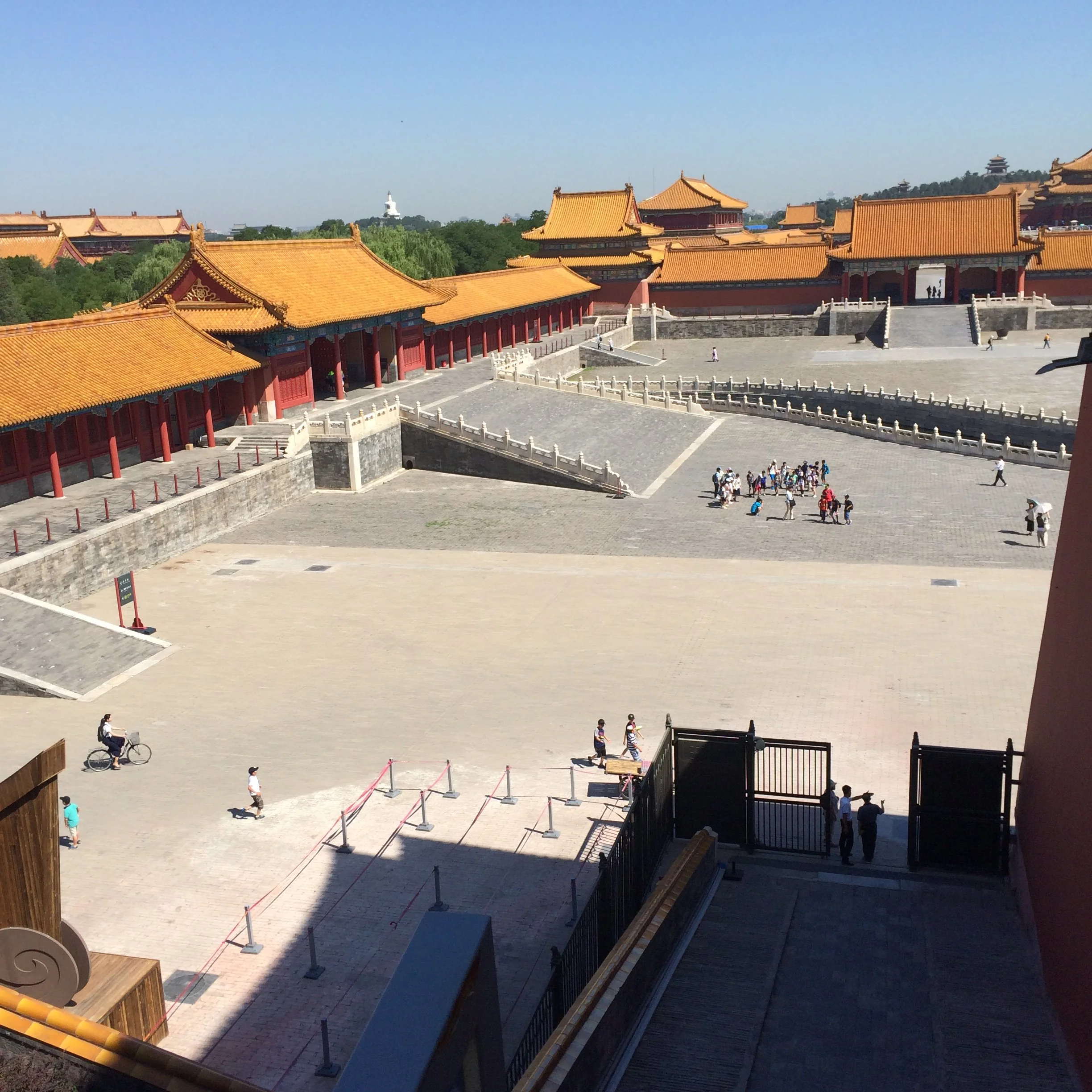
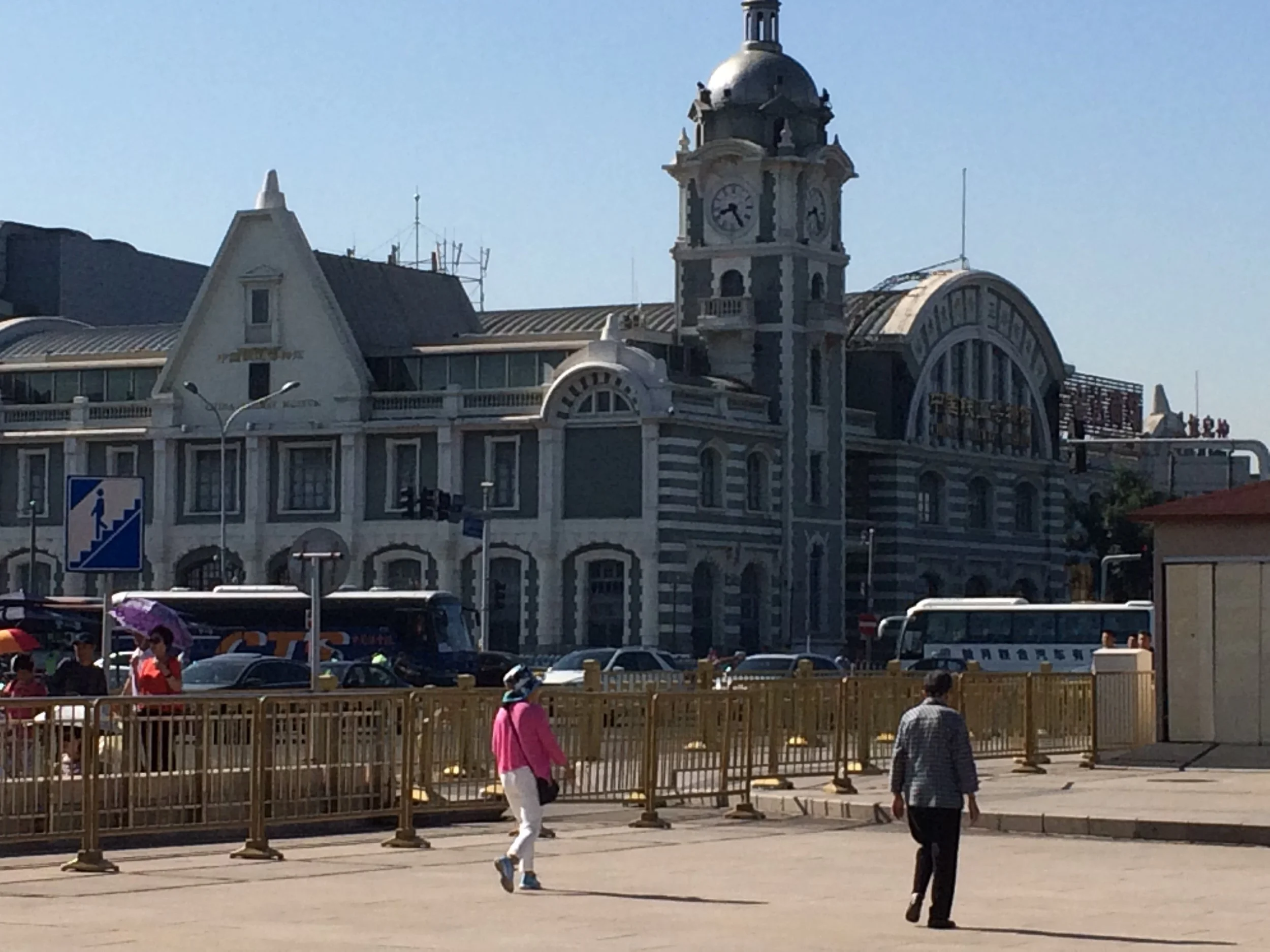
First stop on this three week trip was Beijing. Beijing use to be called Peking. They changed the name of the city, but not the duck. Actually, the Chinese name for Peking was changed only in English to Beijing when in modern times it was determined Beijing was a more accurate Western representation of the Chinese language for the city name than Peking. Say them both out loud and then you can see the similarities. We visited the Forbidden City, the Great Wall, and some other sites around town. We entered Tiananmen Square through the ornate Tiananmen Gate. Tiananmen literally translates to the “Heavenly Peace.” In the last 100 years, this is where three of China’s most violent demonstrations have occurred, so they might want to revisit that name. Some readers may remember the image of the lone man standing in front of a convoy of tanks during the 1989 uprising. This man has never been officially identified, but I’d venture to guess that based what probably happened to him afterwards, it was his unlucky day when the tanks stopped and didn’t plow over him. Tiananmen Square has been enlarged in modern times and most major government buildings and monuments are located around the square, much like the Mall in DC.
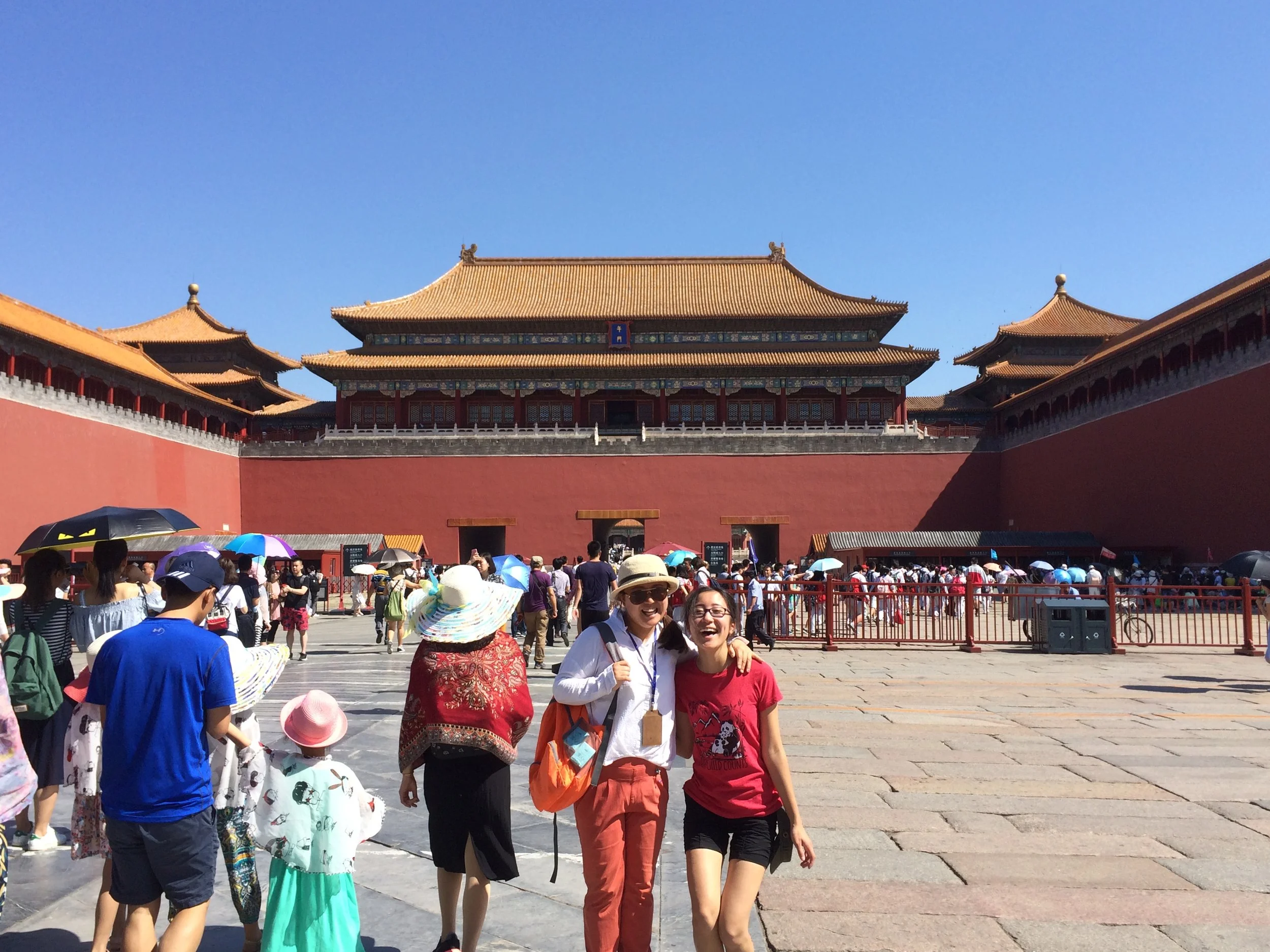
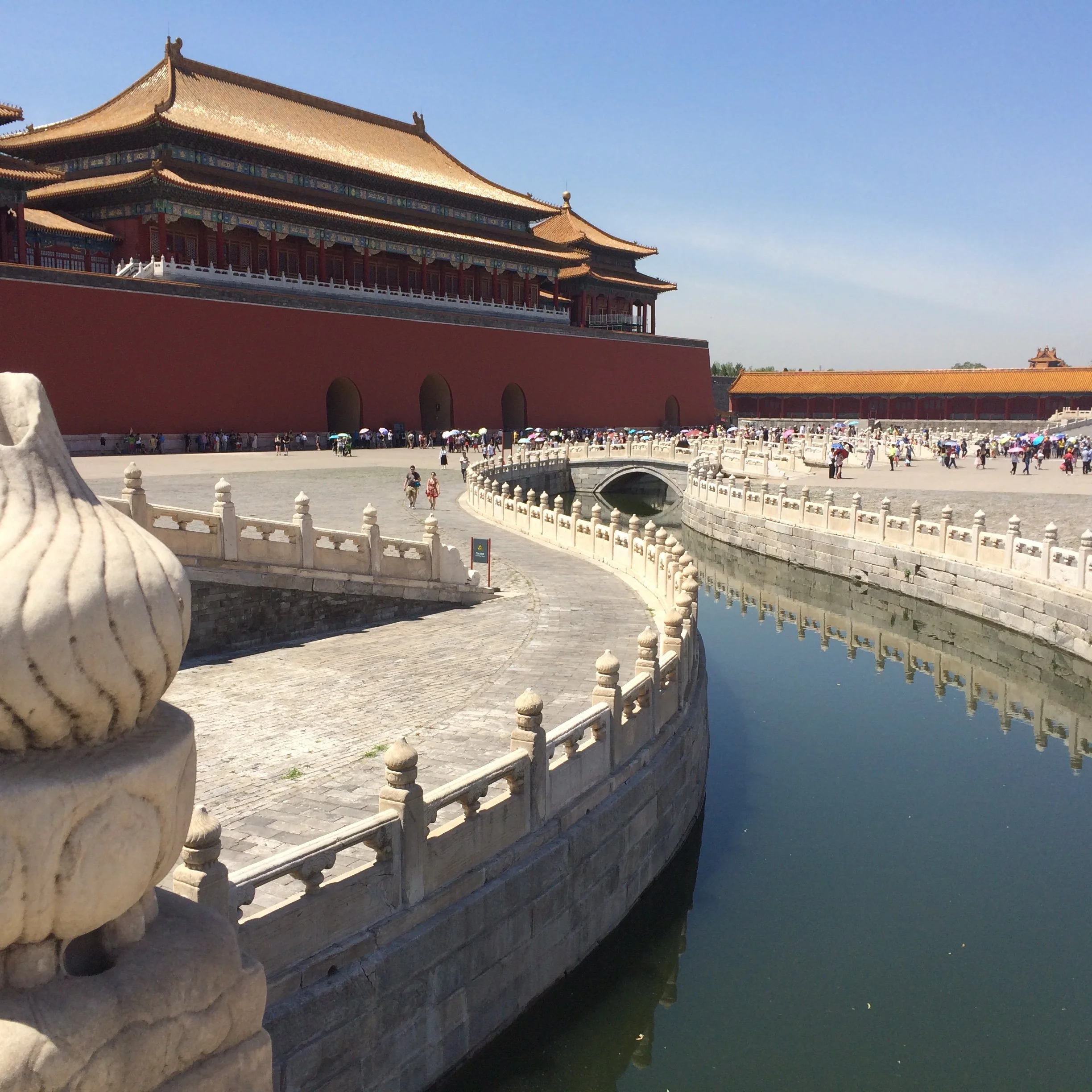
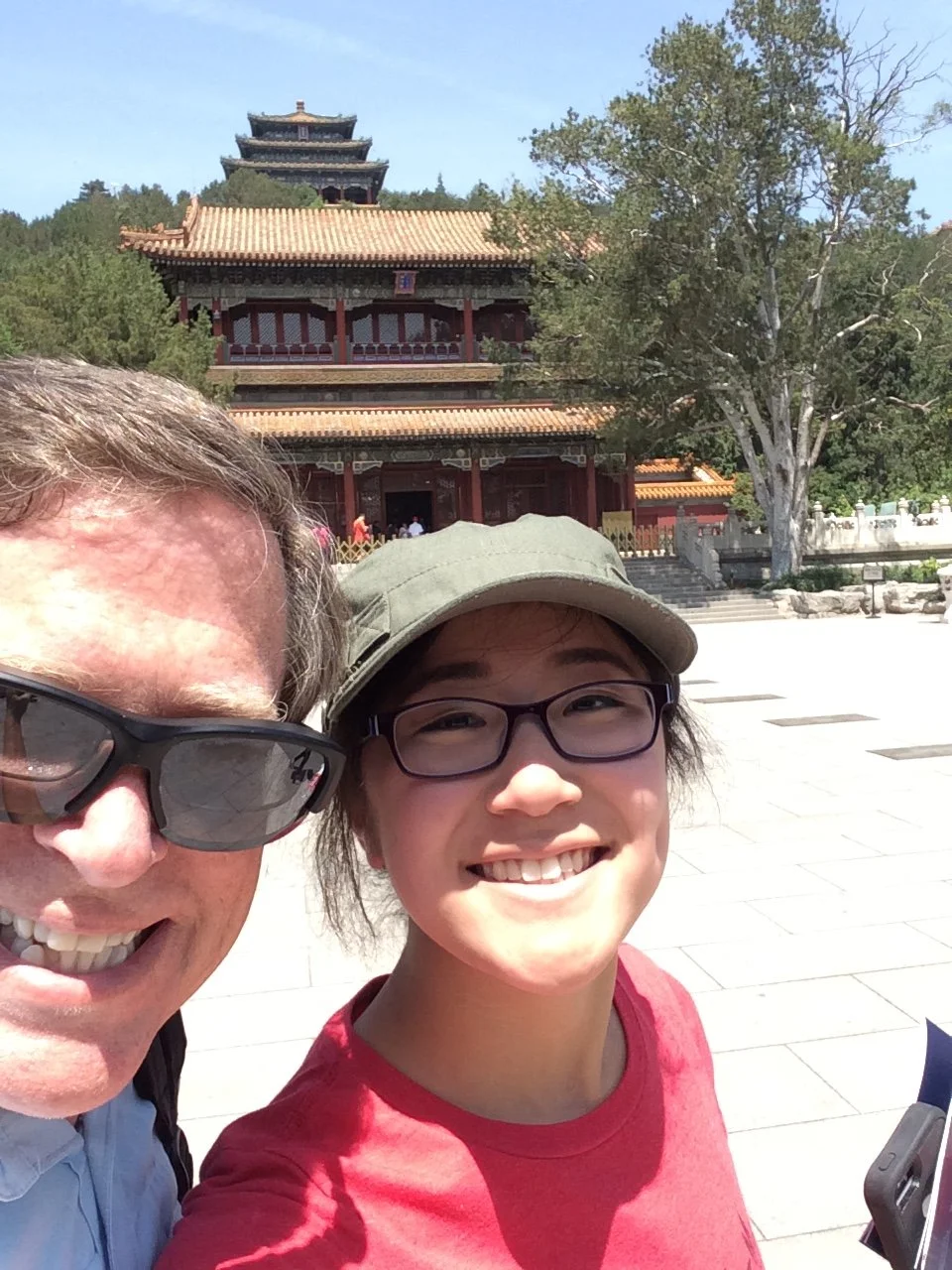
I always wondered why it was called the Forbidden City. It was the palace for the Emperor and the Imperial Family. Only servants were allowed in. Everyone else was forbidden to enter. Legend has it there are 10,000 rooms, so that is why it is referred to as a city. I was impressed at the first 100 or so buildings, rooms, and courtyards, but started to get bored as the number visited grew to 1,000, and catatonic for most of the remainder. If the Emperor mislaid his car keys, he could spend years rummaging around this place trying to find them. Exiting at the opposite end of the Forbidden City we entered Jingshan Park. This park covers 57 acres and consist of a 150 foot hill made entirely out of soil from the moat surrounding the Palace about 1,000 years ago. So it started life as a dump. While not an unimaginable feat such as how they moved the rocks at Stonehenge, or the Moai on Easter Island, this was just hard labor to dig a moat and keep stacking the diggings until they had a hill.
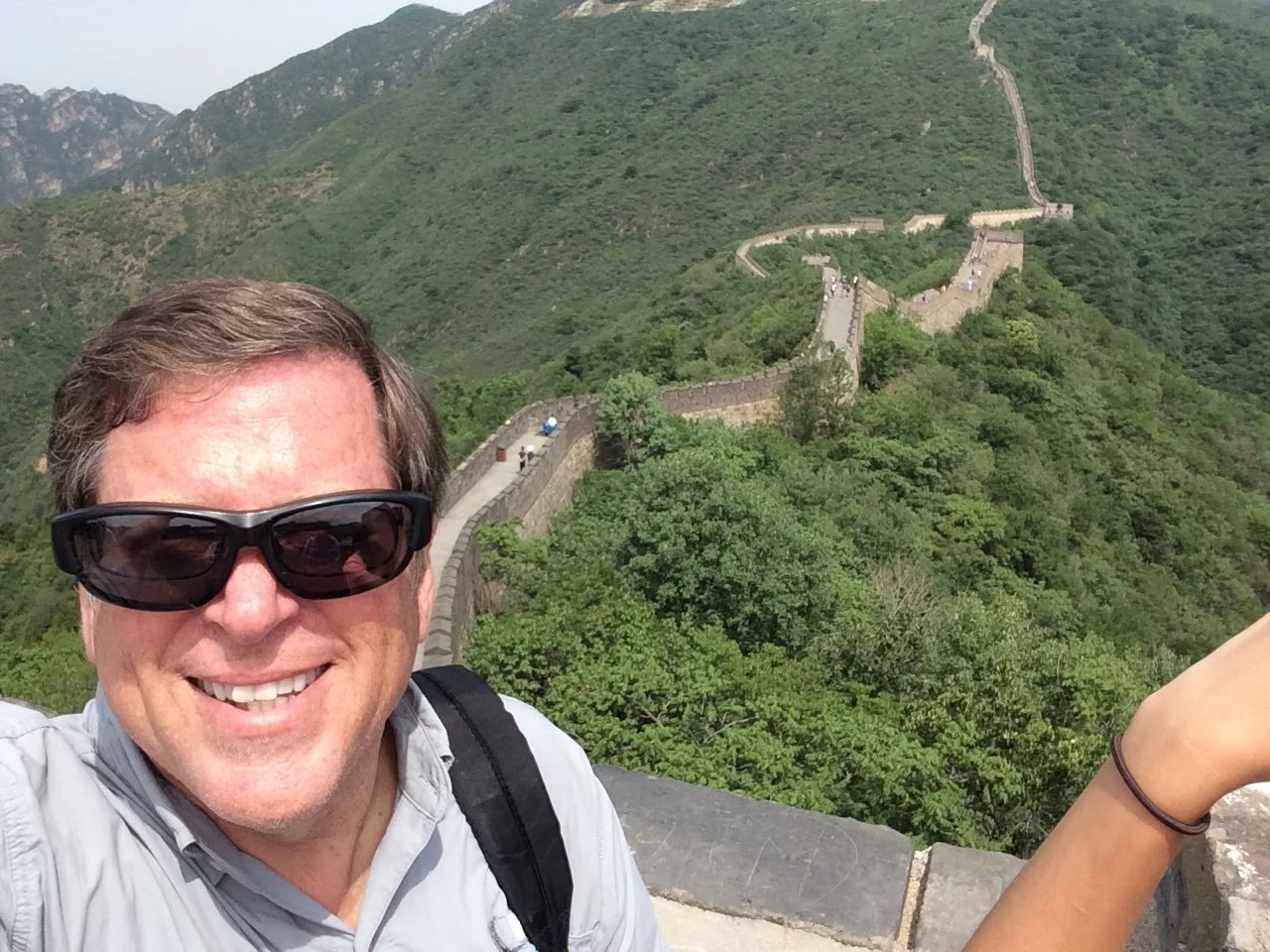
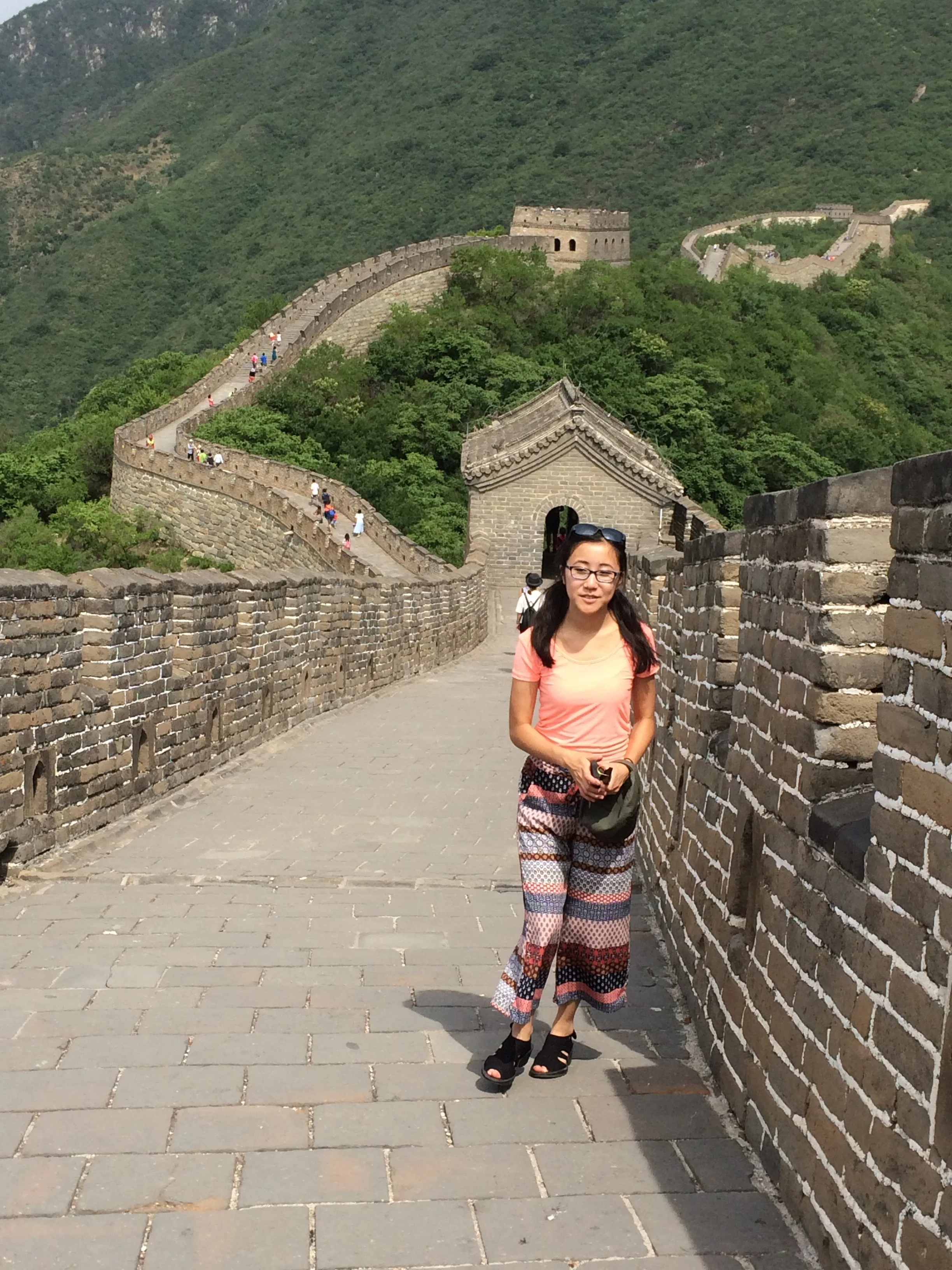
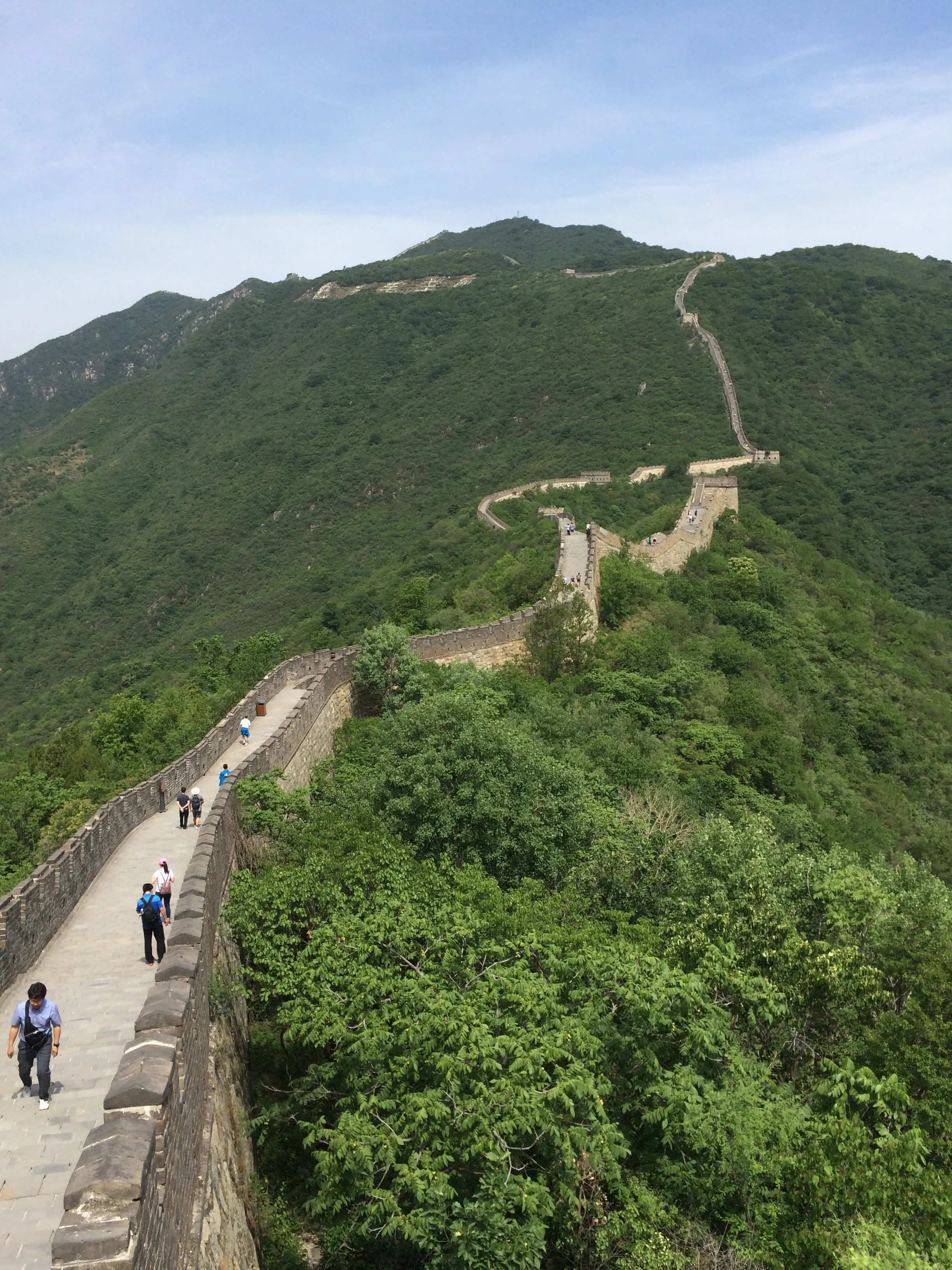
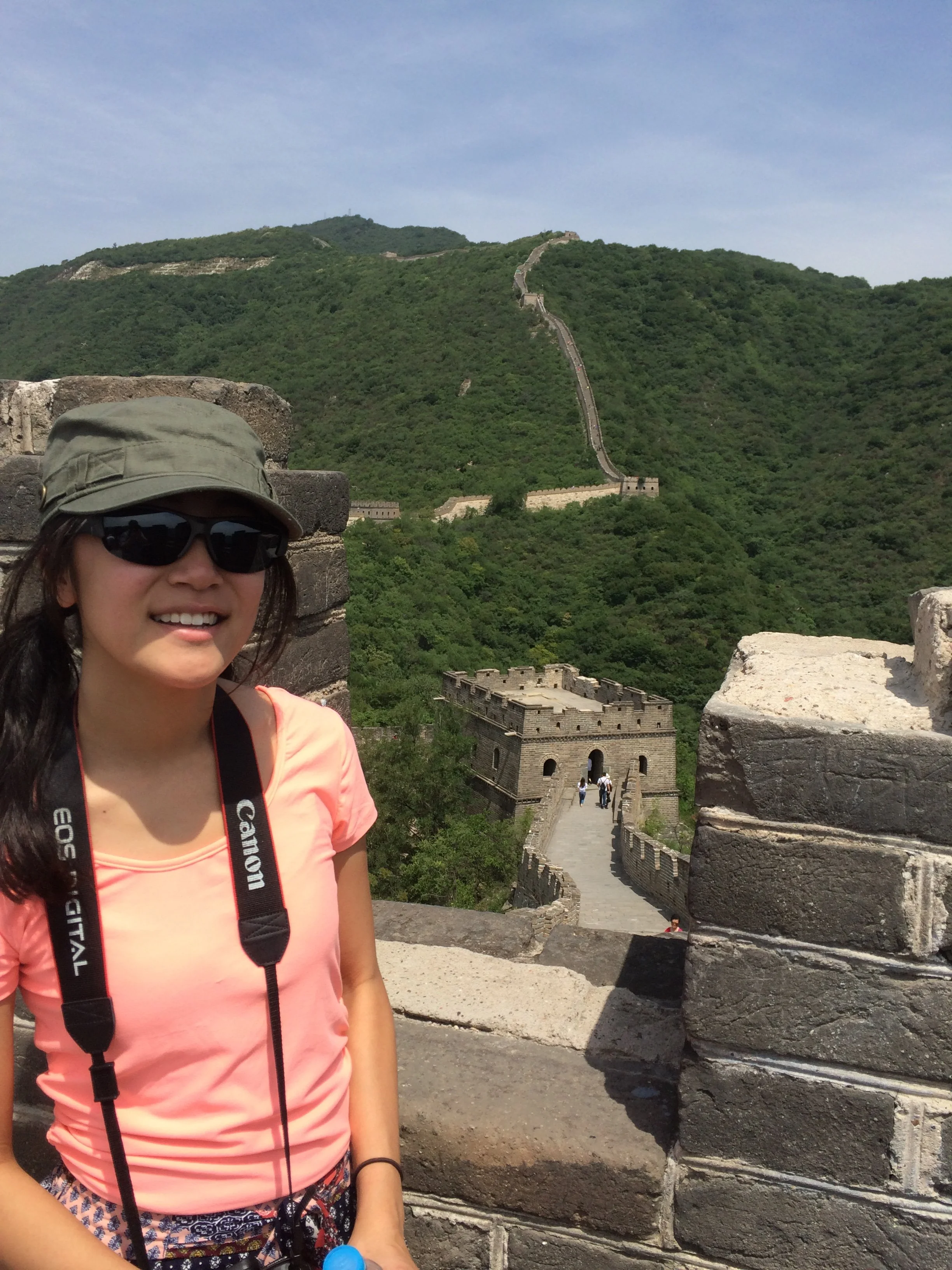
The Great Wall was even more impressive in person than the photos indicate. I’ve seen complaints online about the crowds with photos showing shoulder to shoulder tourists, but there were very few the day we walked it. Maybe our tour goes to a more remote area since there are several places to access the wall. We could explore the towers and walk along the wall with only occasionally passing someone else. Historically, the wall was only as effective as a defense against invaders as the guards maintaining it. The wall was not continuous across the country and invading armies would just go around to the gaps, find sections unguarded, or bribe guards to open the gates. According to stories, the guards that accepted the bribes were promptly killed by the invading forces and the bribes taken back. Or at least that is what the leaders told the guards to dissuade bribe takers.
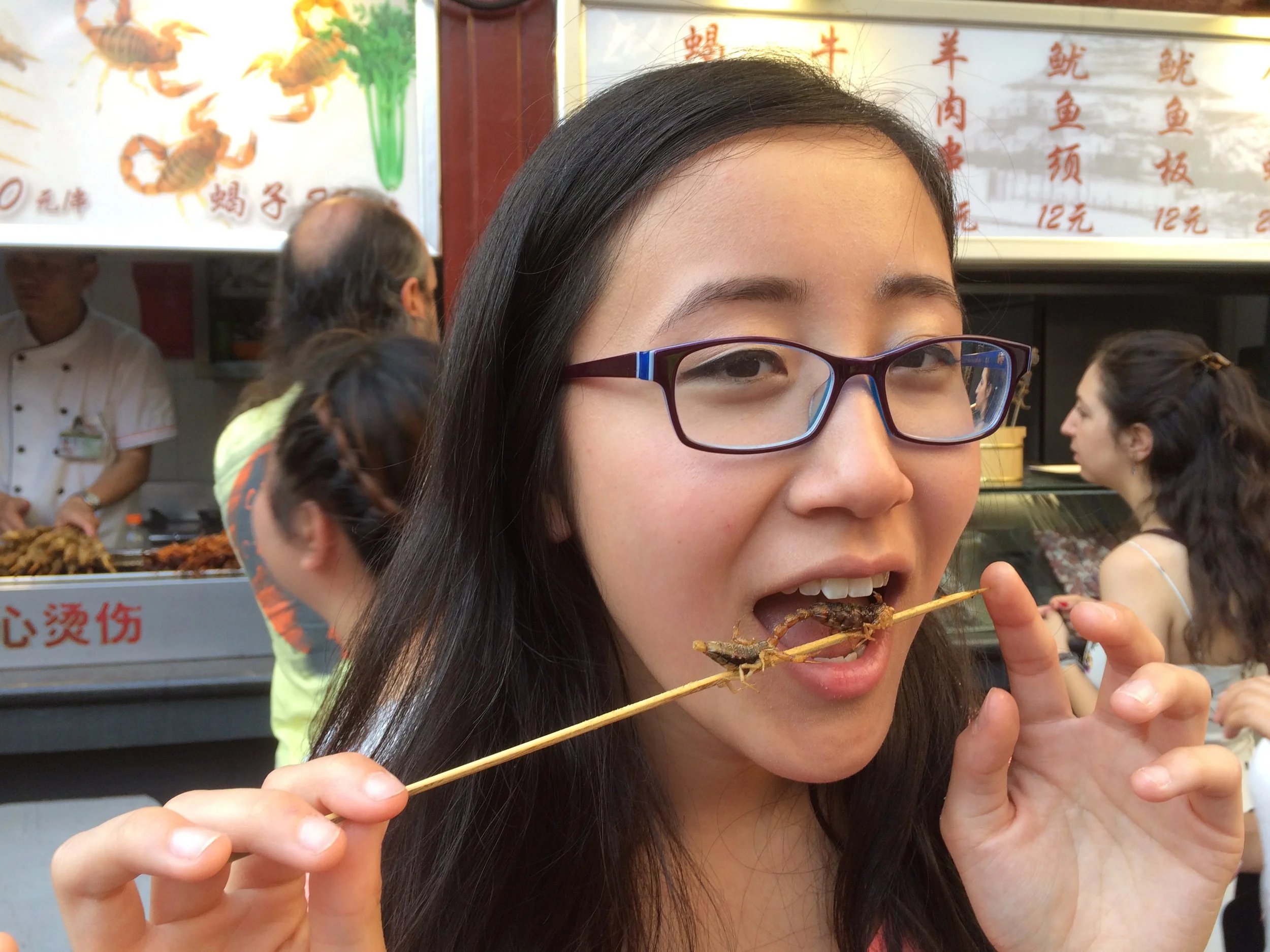
Beijing is a huge city and we visited numerous parks and markets I couldn’t possibly remember to bore you. The street food is abominable by Western Standards. The entrance to many restaurants resemble a pet shot. Not just crabs or fish, but cages out front will hold live turtles, frogs, snakes, and even huge squiggly larva 1-2 inches in length. From a street vendor in a huge market area, Jade decided to try the local food and selected a live scorpion on a skewer that was dropped briefly on a hot grill, then handed to her. To her credit, and to the amazement of a couple Australians who stopped to watch her she ate the entire thing without flinching. She said not much flavor, but crunchy and nothing bad tasting. When we went to lunch the streets were too narrow or crowded for the van, so the guide grabbed a tuk-tuk, the three-wheeled mini-taxis seen in most of Southeast Asia, and whisked us off on a heralding ride.
Xi’an
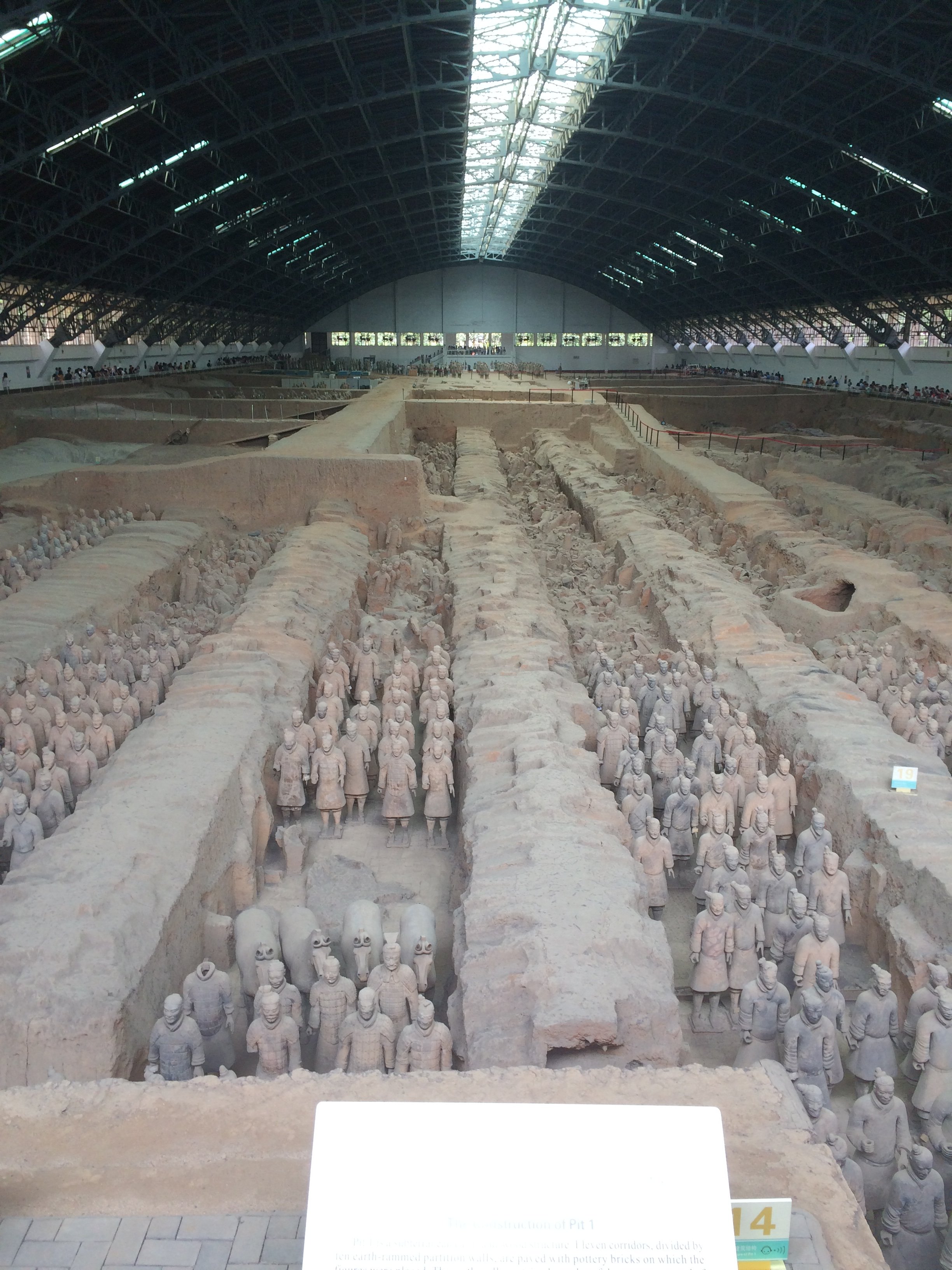
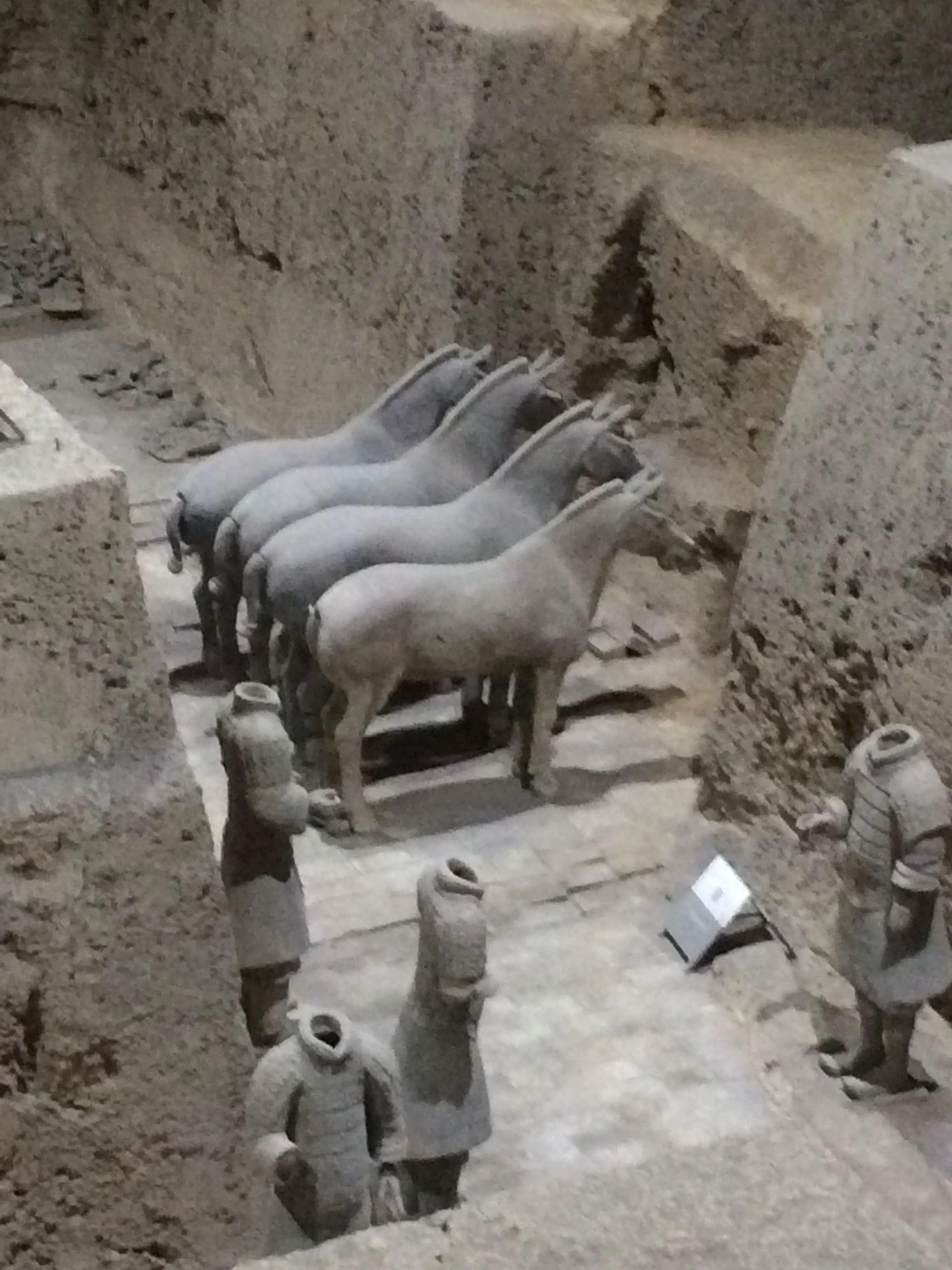
From Beijing, we flew to Xi’an to see the Terracotta Warriors. These warriors were created to protect the tomb of the first emperor of China, Qin Shi Huang about 200 BC. terracotta is ceramic baked clay. In modern times, these buried warriors were just found in 1974 by farmers digging a well. But these sites had been looted for weapons previously in ancient times since the 8,000 warriors were armed with real spears, swords, bows and arrows. The site was organized in rows and sections, almost like an army marching in sections before a parade ground and some of the sections were pristine as the day they were sealed. Some of the warriors had fallen over and broke either to the early looting, earthquakes, or collapsed ceilings. The site is an active archaeological dig and huge tents and structures cover the open pits containing the warriors. There are also an estimated 130 chariots with 520 horses plus and additional 150 cavalry horses, again all made of terracotta. Each warrior has unique features making no two exactly the same. Heads, torsos, arms and legs were created separately, then assembled in long rows and pits. The pits were were covered with wooden beams, woven mats, clay and eventually with topsoil. Archeologist found a burial site of 121 males, real people, ages 15- to 40-years-old nearby and theorize that these were the workers and craftsmen that were killed upon completion to keep the site secret.
I think they missed the biggest opportunity in the overall displays I would have liked to see a video testimony of the farmers that found them when the bottom of the well they were digging by hand fell out and emptied into a cavern full of armed solders. What did they think? Did they think they had discovered an army from Hell waiting to be awakened and take over the world? As far as they could see by artificial light, there would have been an endless army. That would have been an extremely interesting story!
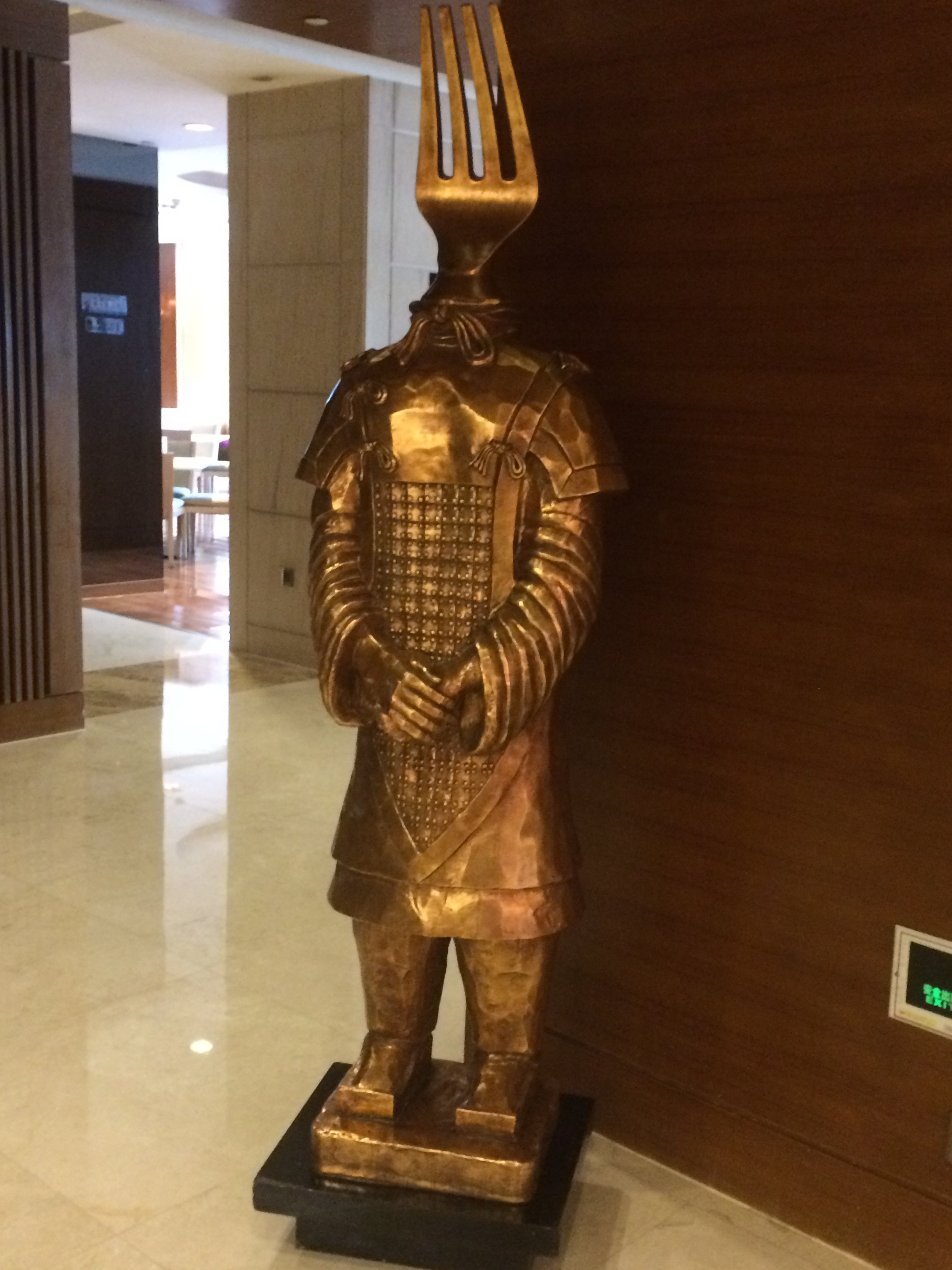
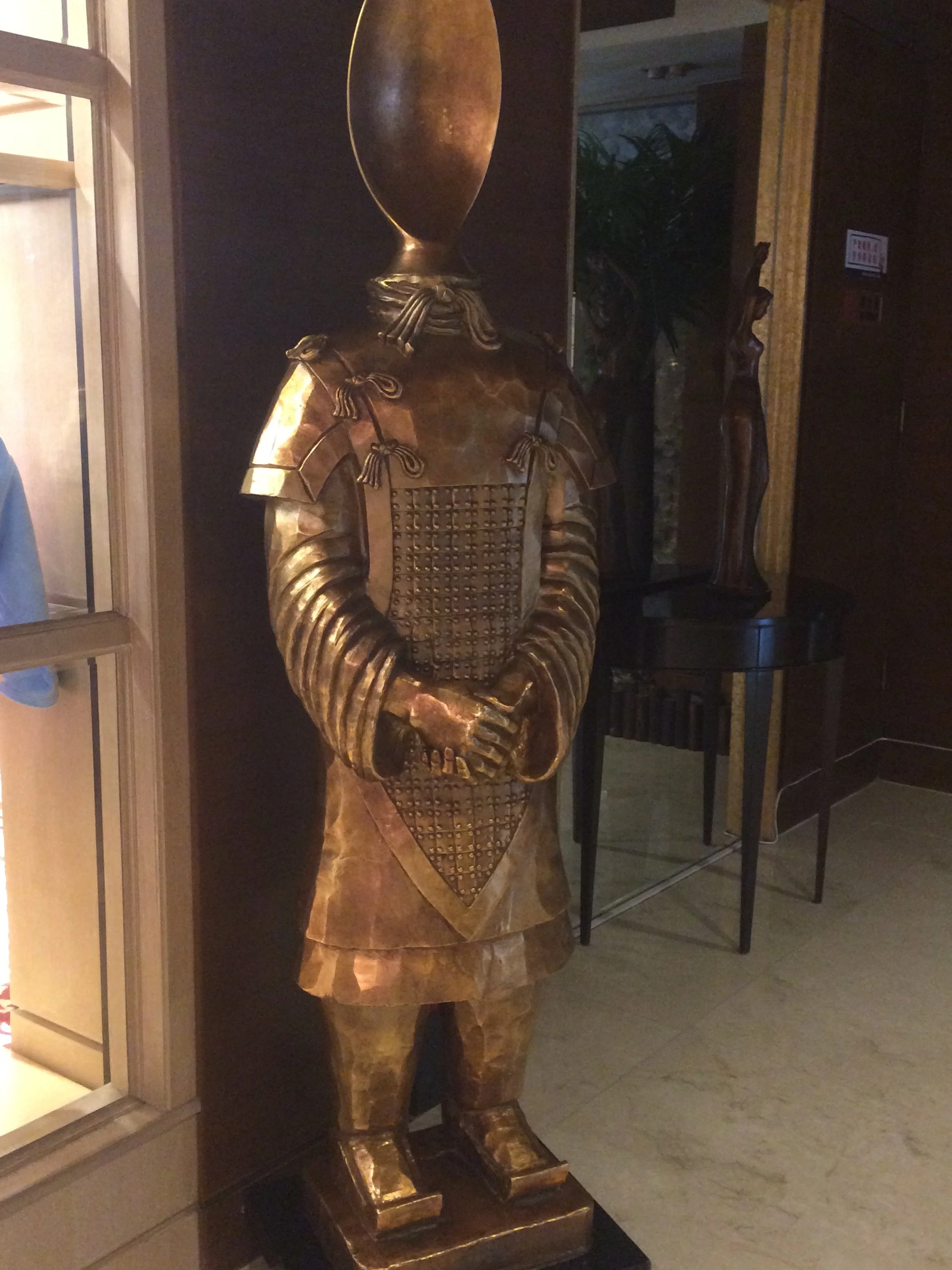
One last note, I appreciated the sense of humor someone at our hotel had. On each side of the entrance to the hotel restaurant was a full size reproduction of two armed Terracotta Warriors with every detail of the actual warriors, with the only difference being that one had a fork for a head and one had a spoon for a head.
Chengdu
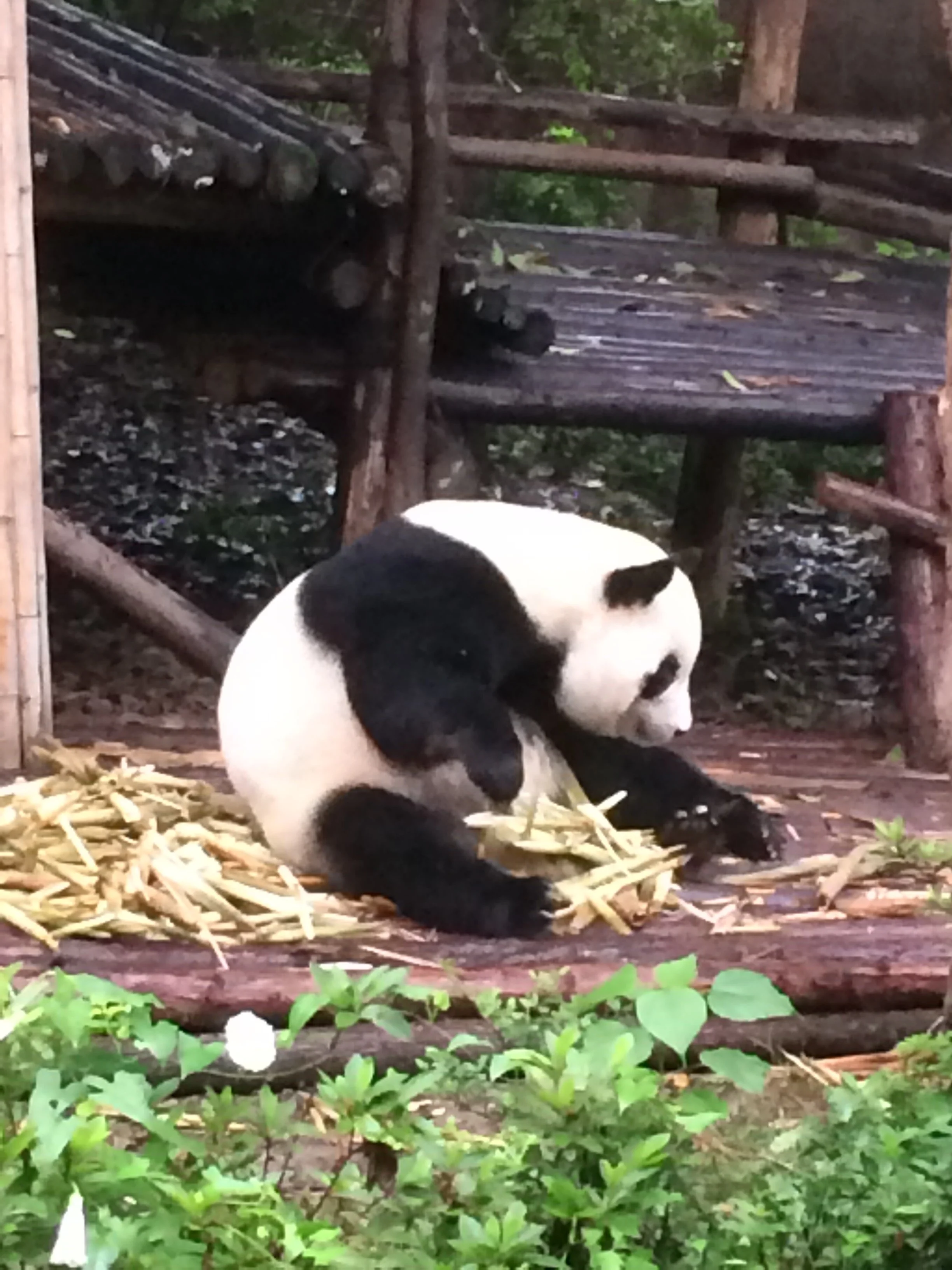
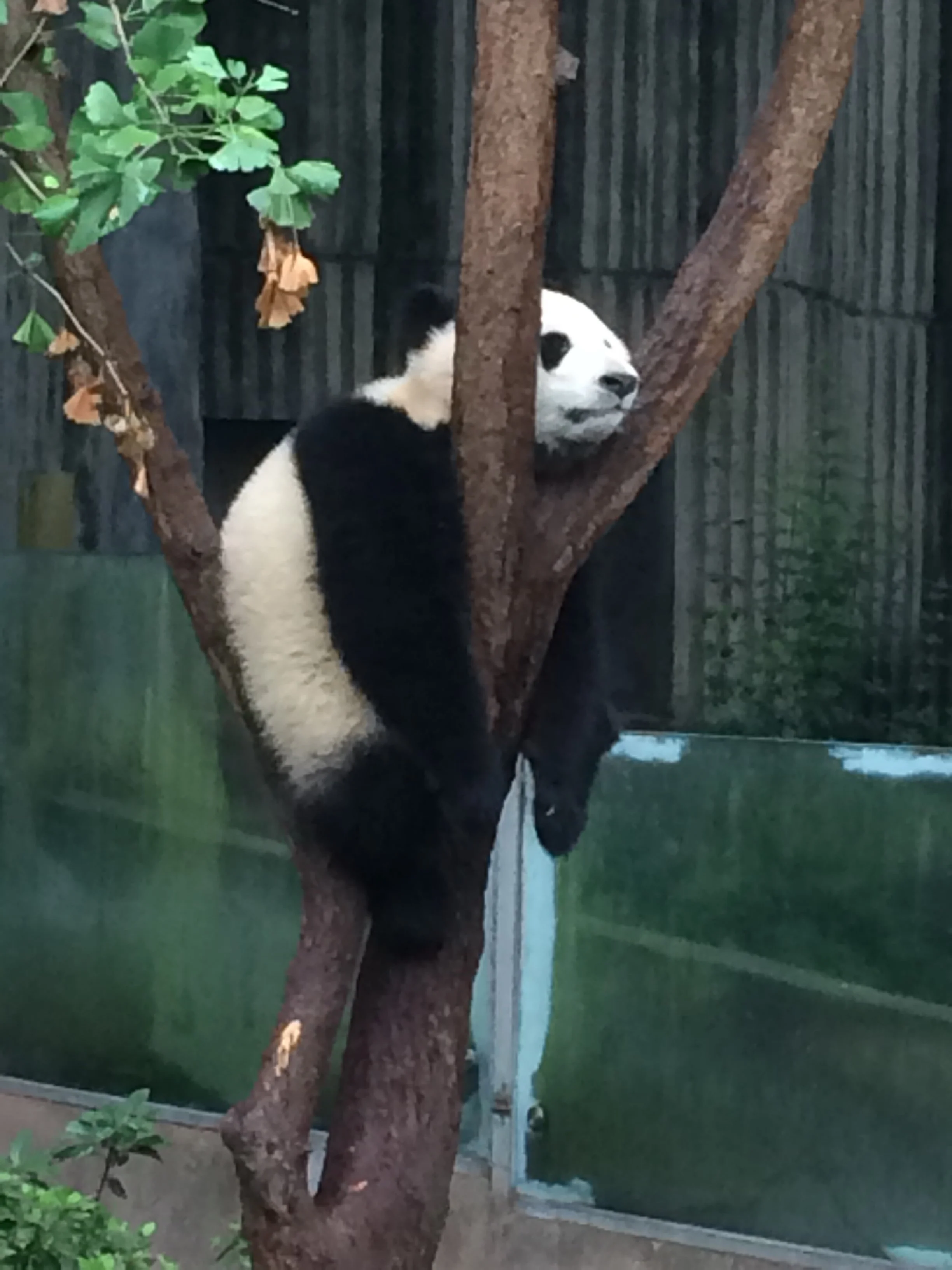
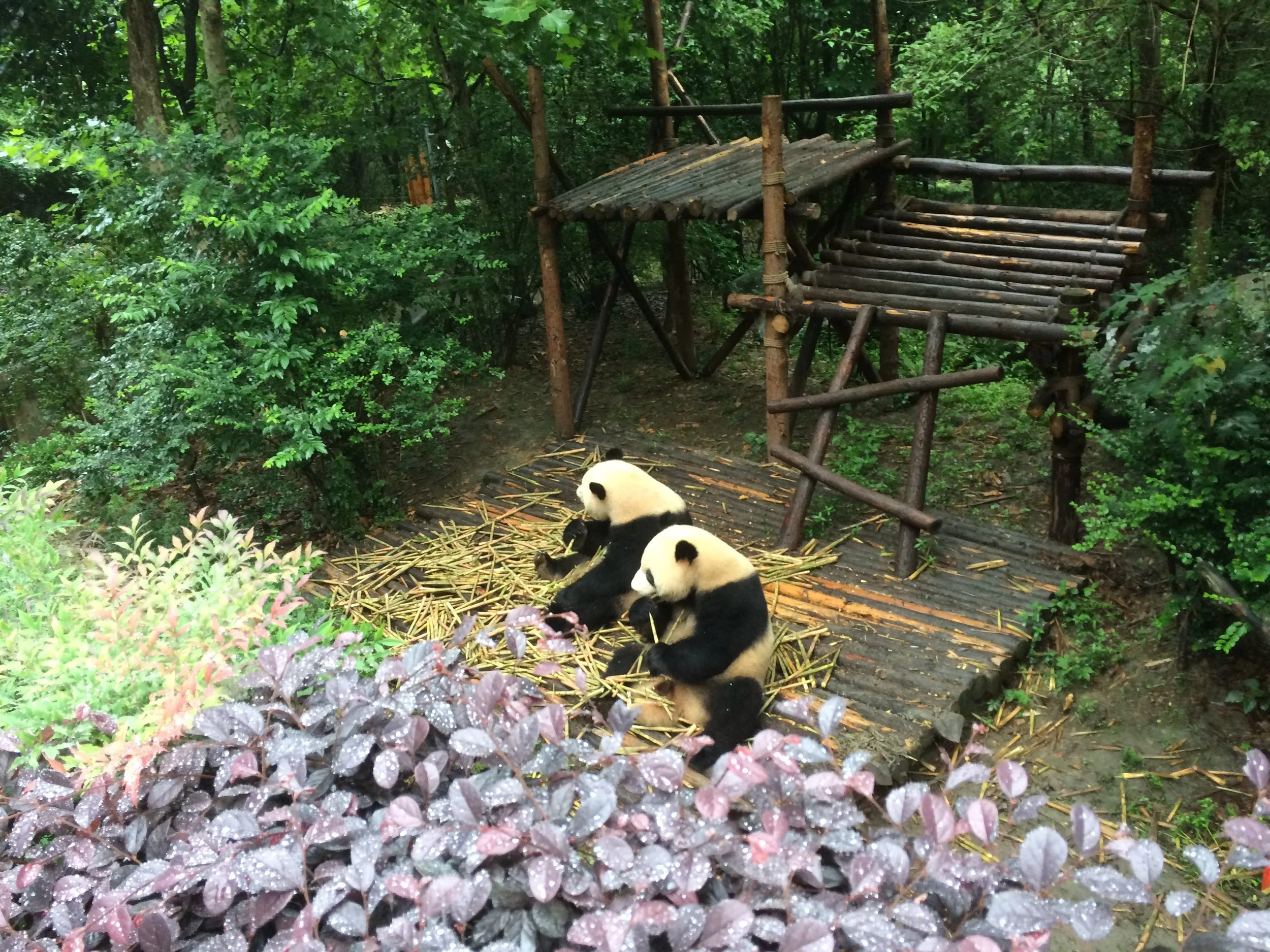
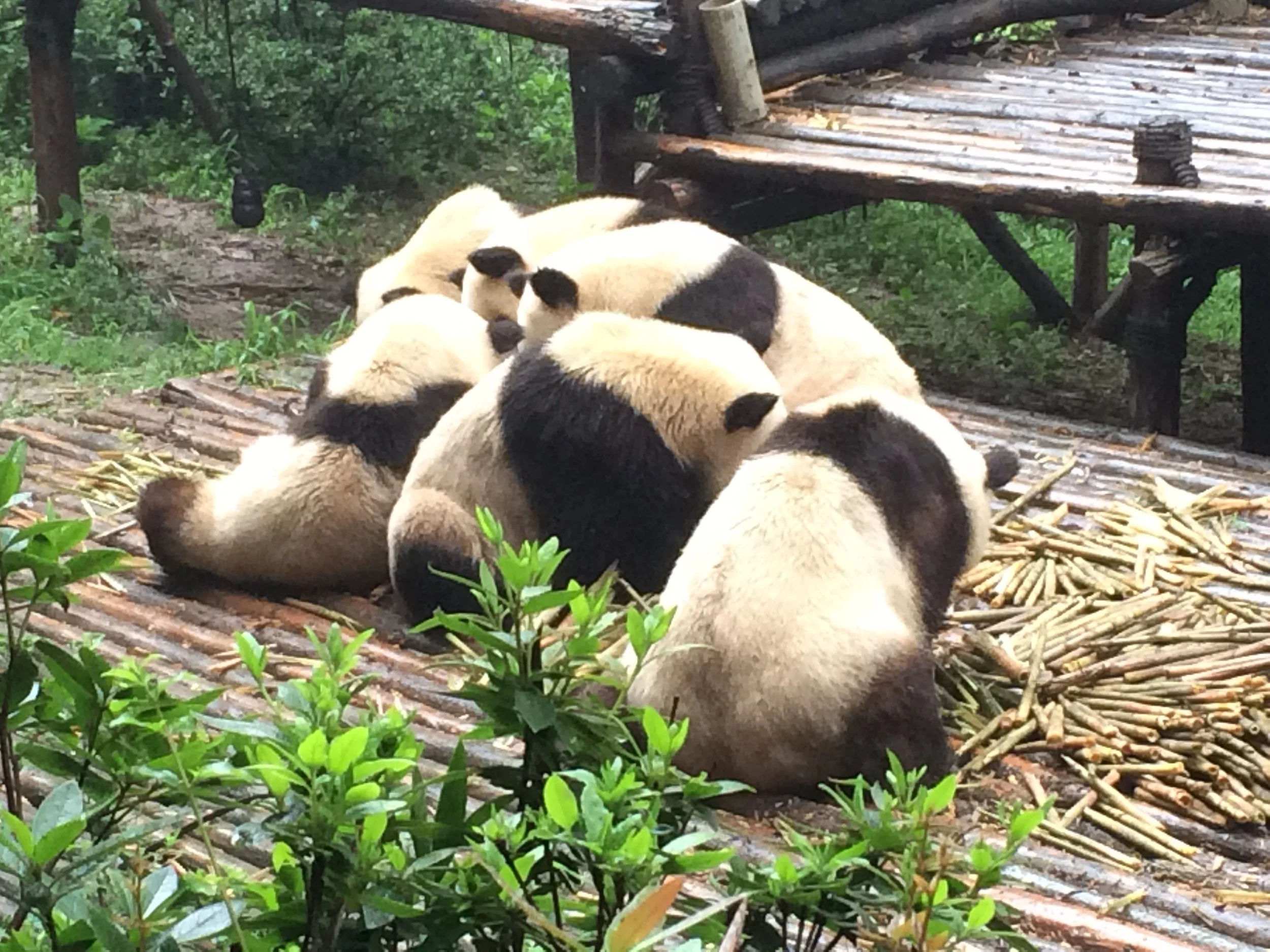
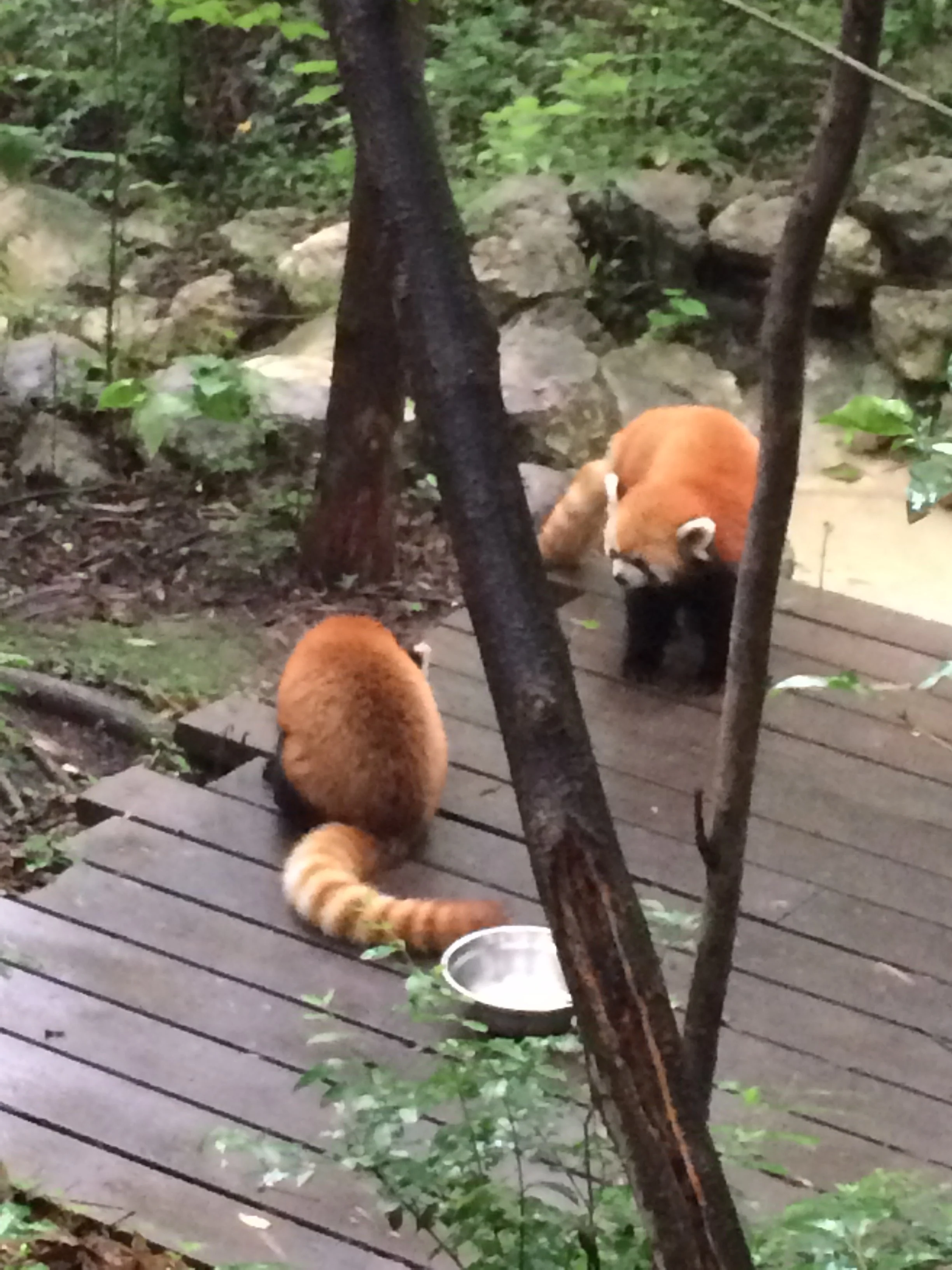
Chengdu is most famous for the Pandas and has the largest collections of Pandas rescued from the wild at the Chengdu Research Base of Giant Panda Breeding, aka Chengdu Panda Base. There are two types of pandas, although not from the same species family. The Giant Panda is the traditional black and white panda while the Red Panda is blue. Just kidding – of course it is rusty red with a long ringed tail and is in the family of mammals that include raccoons. Giant Pandas are in the bear family. So even though they are not related, both will ravage through your trashcan. The main similarity is that both rely on bamboo for food. And, because bamboo is lower in nutrients than any McDonald’s Combo Meal, both types of pandas have to consume significant amounts. Red Pandas eat about 20%-30% of their body weight in bamboo daily. Giant Pandas only consume 6%-15% of their body weigh in bamboo, but spend 10-16 hours per day eating. So, for comparison, their eating habits are similar to a human teenager.
The Giant Pandas have dozens of habitats in the sanctuary with only one or two pandas in each. And yes, based on the previous paragraph, all the pandas we saw were mostly eating bamboo with a few sleeping. The ones eating were reared back with a bamboo stalk ripping leaves off and stuffing them in their mouths. Based on their slow methodical motion, position, and mannerism, all they needed was a sofa, a TV, a remote, and wearing a wife-beater and they could have been residing in any of thousands of redneck homes in the USA. When they did move about, it was sluggish, clumsy, and humorous. Again, back to the previous comparison.
Guilin
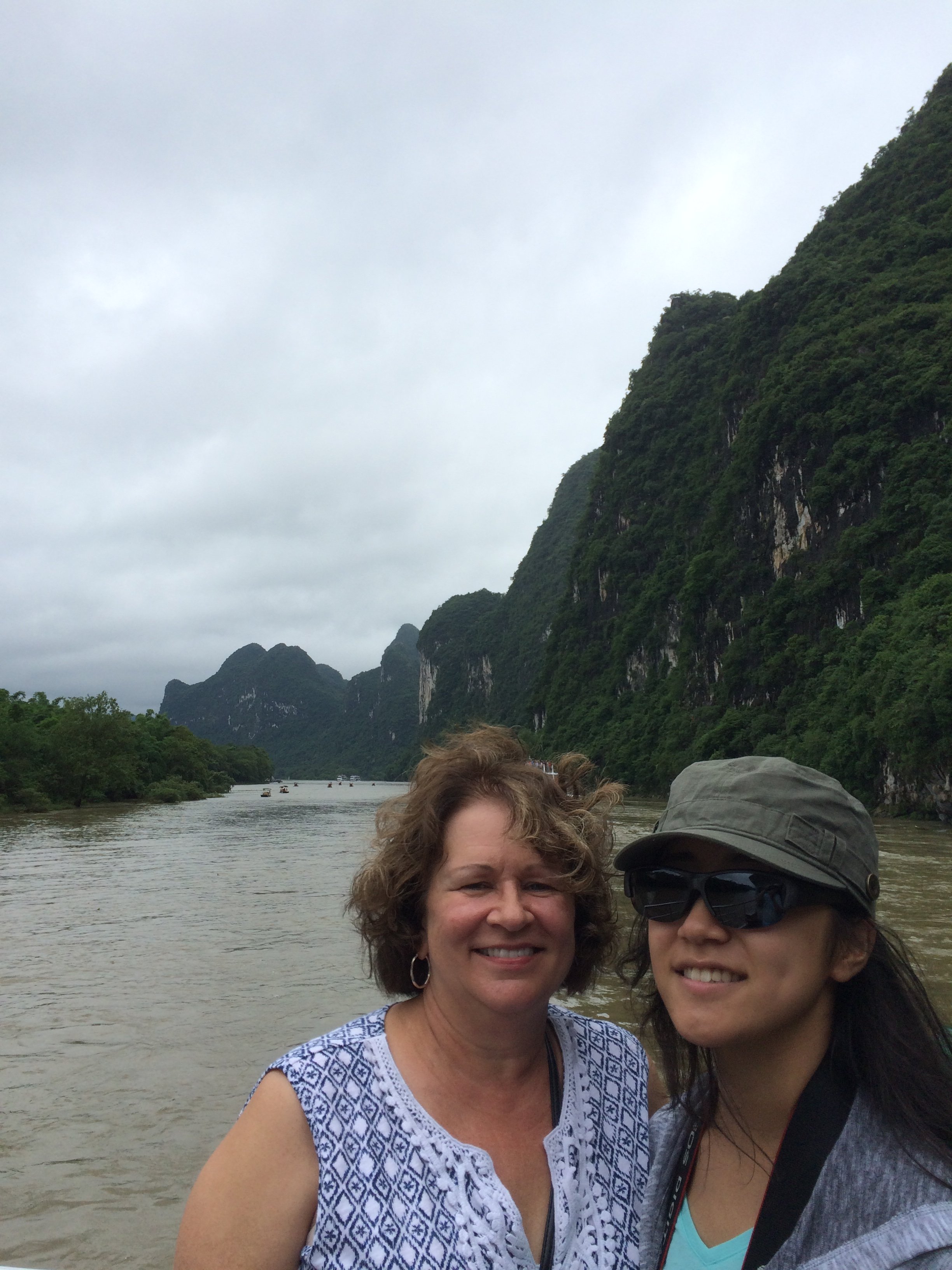
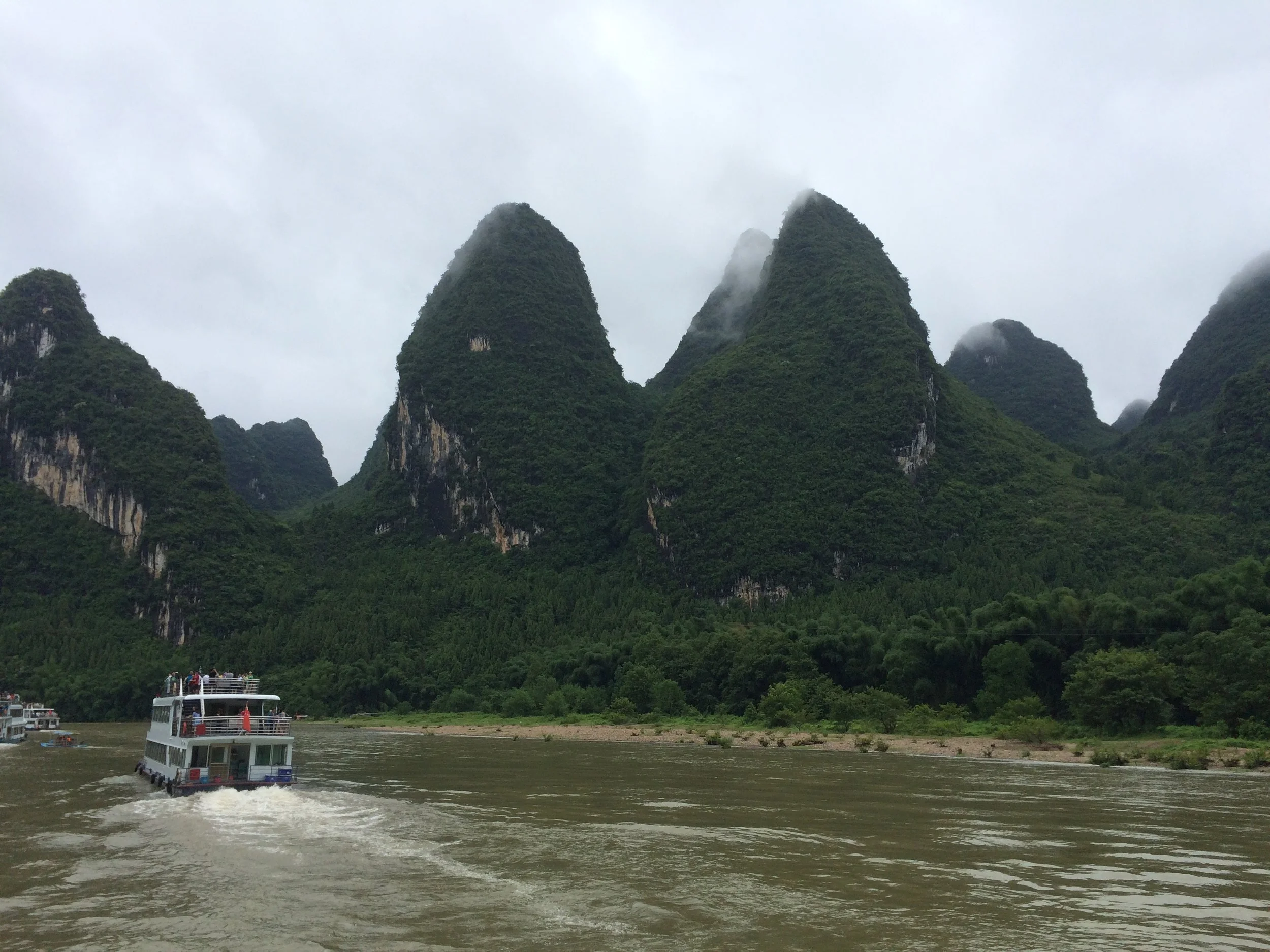
Guilin sits on the picturesque Li River which is known for the strange lump-shaped limestone mountains that rise almost straight up with a rounded top. This was actually our second time to visit Guilin. In 2003, when we adopted Lily, we had a flight from Changsha to Guangzhou that had to land in Guilin because of severe thunderstorms over Guangzhou. So considering there were two adoption groups with 15 infants that had never flown and had to sit on the Guilin runway for a couple of hours while weather cleared…well, imaging the worse flight ever with a crying infant and multiply that by 30. These kids were at least twice as scared because everything was new to them, including their new Moms and Dads. So when I heard we were going to Guilin, I got a nervous t-t-tw-tw-itch.
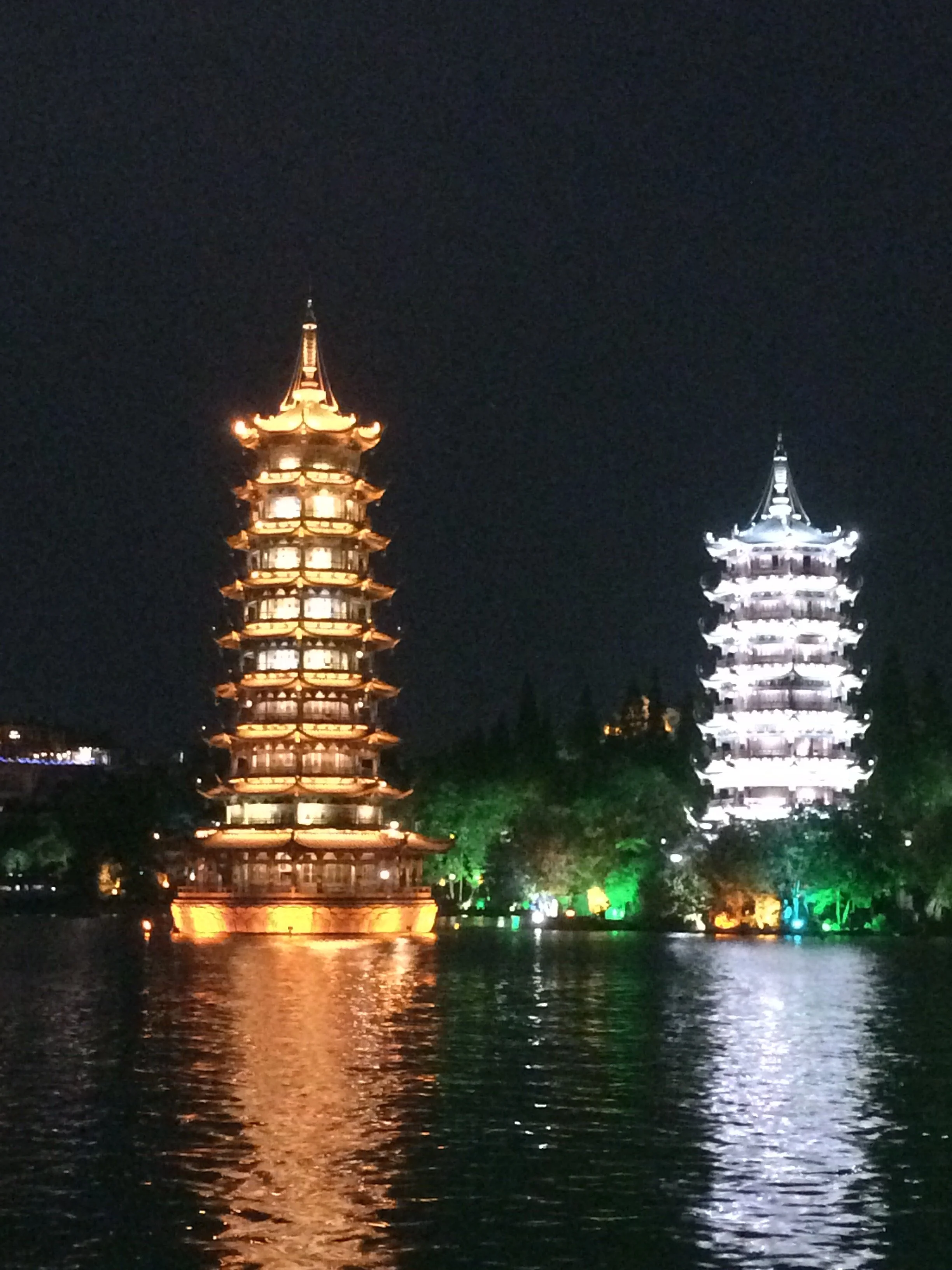
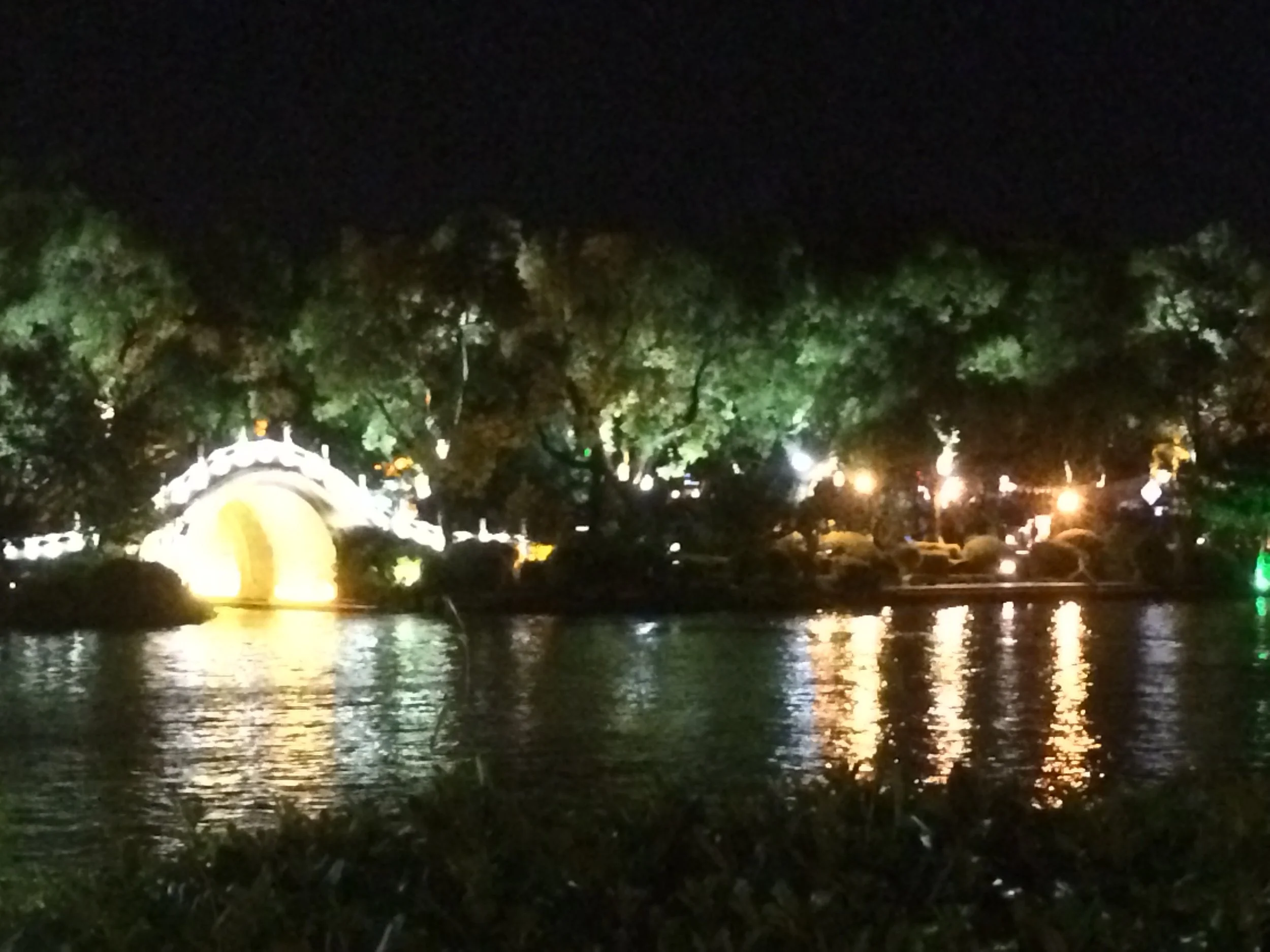
Dana had arranged a hotel and guide that took us around Guilin and on an all-day river cruise on the most scenic stretch of the Li. No Lie! At one point, everyone started pulling out the red 20 Yuan banknotes and Susan, our guide, produced one and showed us the mountains to the side that were the actual mountains depicted on the note. At Guilin there is an arch referred to as Elephant Trunk Hill because it looks like an elephant drinking from the river with his trunk. There were and scenic walks along the river from our hotel that had spectacular views of Guilin lit up at night.
Shanghai / Wuxi
Flying into Shanghai, I was amazed at the giant apartment complexes that went on as far as I could see from the plane window. It is the largest city in China was about 24 million in 2017, currently about 30 million in 2026. I was shocked to find out it is only the fifth largest city in the world. Jakarta, Indonesia (42 million), Dhaka Bangladesh (37 million), Tokyo, Japan (37 million), and New Delhi (30 million) precede it. We visited the top of one of the tallest buildings in Shanghai and in the world. The viewing platform had an open section with a glass floor that was a little unnerving to walk on. Our hotel was conveniently located on a long pedestrian walkway through the central part of town. Our guide took us to a traditional fishing village outside of Shanghai where all the shops, houses, and businesses were largely unchanged from the distant past and were accessible by small boats.
Jade had been left anonymously at the Wuxi Orphanage, officially The Wuxi Children’s Welfare Institute, as a five-day-old infant. Wuxi is about an hour train ride from Shanghai, so we took a morning train to Wuxi. The director and a worker met us at the orphanage and gave us a tour of the facilities. They explained it was not the same facility Jade would have been at in 1998 since they had moved several years back. We weren’t allowed for various legal reasons to see any children, but it was their day off from school, so we were able to tour the school classrooms, the medical wing, and the administrative offices. It was impressive. The classrooms had some similarities to a typical USA classroom with brightly colored learning posters on the walls, and desks and tables and chairs. The worker that accompanied us had been at the orphanage in 1998. She thought Jade’s name then, Xi Cui Yan, sounded familiar, but she couldn’t be completely certain about one of the babies from 17 years earlier who had certainly changed significantly since. She talked some about how the babies were cared for at that time.
Shanghai concluded the China portion of our trip. But don’t stop here! Click on the stick figure running with scissors in the heading of this blog and select Cambodia to find out about our next stop in Angkor Wat, being held hostage at the airport in Guangzhou in route, or our last stop in Seoul, Korea.