
France/Luxembourg/Germany/Switzerland/Liechtenstein
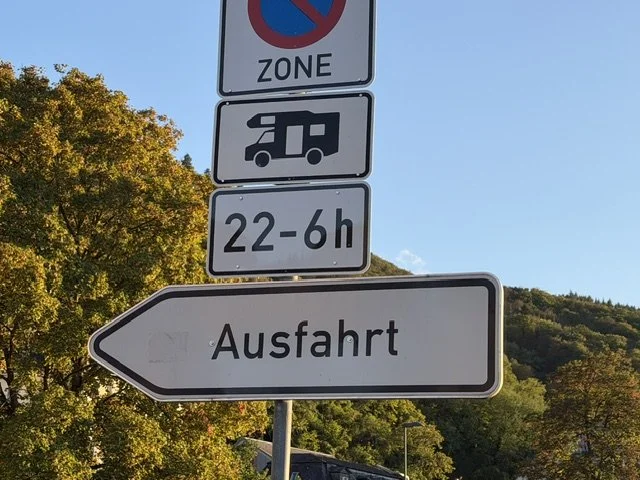
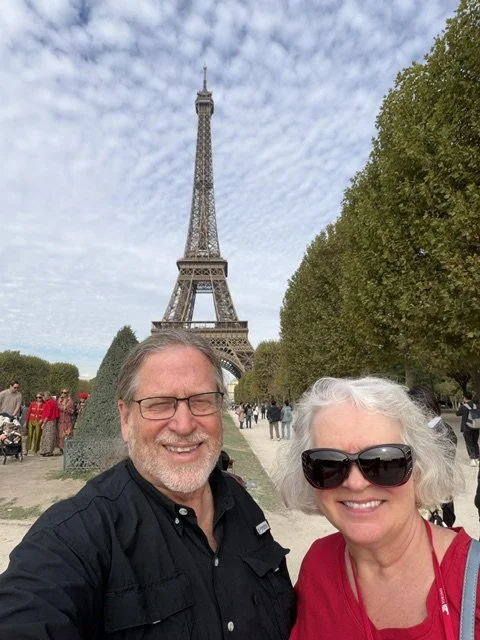
In October 2026, my Bride and I did a River Cruise from Paris to Zurich. This would be my fifth trip into Paris and France. I have connected a few dozen times commuting for work from Houston to various points in Africa or Europe through Charles de Gaulle Bladder (GDG) airport. I haven’t written about those Paris trips, largely due to trying to exorcise those memories, but I’ll recount them now as part of my healing. Although I think my therapist is full of shi…er…shenanigans to suggest this. First thing to know about the French: striking, protesting, and rioting are not optional; it is a requirement of all resident If someone does not comply, a lifetime ban from all cappuccino and ankle tight britches is issued and exile to Germany follows. It can be quite disconcerting to go from a language where letters and vowels are randomly distributed around a word to encrypt the French language from all non-French persons to a country where the law requires the strict enunciation of every single letter in word, no matter how outrageous the result. For both the German and French language, any accidental typos become incorporated in a word nation-wide going forward. The difference being that in French, the word continues to be pronounced the same as before ignoring all the typos while in German, new facial expressions, tongue, and throat actions are routinely developed to include the mistyped letter in the pronunciation. Think I'm kidding? Then explain to me how "yes" in French becomes "oui" written, but is pronounced "we". Think about this while you enjoy some hors d'eouvres ("or-durves"). German, at the other extreme, requires each letter be clearly pronounced, regardless the absurd placement or inclusion of the letter. Omitting enunciation of a single letter can result in a significant fine. Omitting enunciation of two or more letters can result in a prison sentence. Omitting more than two letters results in expulsion to...gasp!...France! Does anyone remember the old VW add introducing America to the German word "fahrvergnügen" meaning "driving pleasure?" Exit in German is Ausfahrt. Seriously. Sound that out. Now again, but quicker. My Bride got exhausted at me elbowing her and laughing at every exit sign when we were on the autobahn. So, to use these in a sentence, "I fahrvergnügened until I ausfahrted." If you're between 6 and 12 years old, that is hilarious.
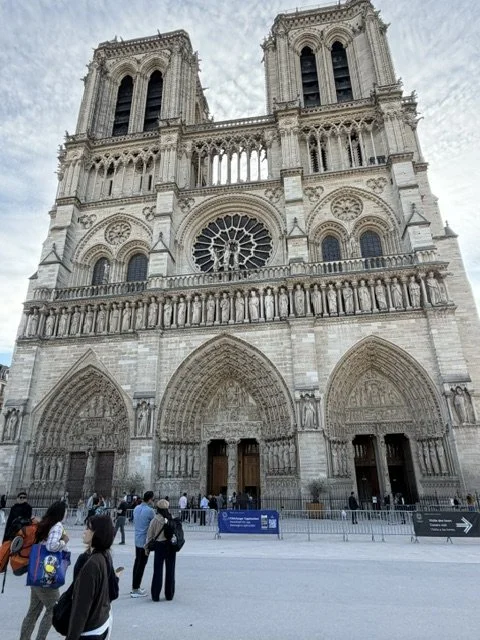
Back to strikes, protests, and riots and the essence of France. I don’t think I have ever flown through CDG when I didn’t encounter a strike or the threat of a strike. Pilots, flight attendants, baggage handlers, air traffic controllers, ground control workers, security, baristas, taxi drivers, passengers, beggars, grandmothers…etc. Someone was always on strike or threatening to strike. On this trip the high school students were protesting the condition of the schools and the fact that over half the cappuccino machines in high schools nationwide were not functioning properly. Student count for each classroom had rocketed from 20 to between 25-30, or to nearly half the average count in a southern USA classroom. These conditions have severely impaired the students from learning key striking, protesting, and rioting techniques. As we were leaving on a bus tour after visiting Notre Dame, a hundred or more police rushed by in full riot gear to battle a growing protest we barely missed. Later on the news, we heard some police had been injured, tear gas had been used, and about 500 had been arrested. As I type this, it continues to escalate two weeks later. So, to sum it up, it was a typical day in Paris.
At every stop, we were warned to keep valuables secured and to not have wallets or phones in back pockets. I didn’t have to be told. After spending a lifetime traveling to some of the harshest countries on Earth, I have only been victimized once. I was pick-pocketed in Paris at the entry to the Metro. To enter the Metro, Paris’s subway, you scan your pass and the gate with large clear doors open, then immediately close to prevent the person behind from following through. Or in this case, prevent me from turning around and grabbing the person who just grabbed my wallet. A $500 lesson. By the time I could sprint around to the exit and bound up the stairs, the thief was long gone. I then made the further mistake of trying to report the incident to the nearby police station, who immediately found me guilty of being American. The French have worked hard to not be my favorite countrymen. I've never had the fortune to be in France when the "Be Rude to Americans" movement was striking.
America has had a long love/hate relationship with France. Most Americans that get frustrated in France (this one included!) will eventually spout off that all the French would be speaking German if not for America, referring to WWII. While that is true, Americans would still be speaking English (!?) except for France’s assistance in the American Revolution. Our history textbooks either overlook or understate that France provided 44,000 soldiers and sailors to fight the British. Plus, nearly all of the American weaponry came from France with some from Spain. Often the French boots-on-the-ground rivaled the size of our entire standing army at the time. The relationship changed a few years later when the new nation of America stopped paying their French debt after the French Revolution. Or, as I refer to it, the protest that began all protests. Congress declared the new France a new nation and since the entity we owed no longer existed, neither did our war debts to it. This resulted in a largely unknown war between France and the USA in the late 1790’s, conducted mostly on merchant vessels at sea. Ironically, Britain assisted the USA in winning that conflict with France only to attack the USA 12 years later. Go figure! Then in 1886, the French developed a scheme to take over the USA. They would pretend to have no more animosity toward the Americans and build a giant statute of a robed woman holding a torch as gift to the USA. But this statute would be hollow and loaded with elite French solders that would take over the country once the statute was erected and everyone was asleep. But alas, the French loadmasters went on strike the night the statute was to be filled with the most elite soldiers and the statute was shipped and erected empty.
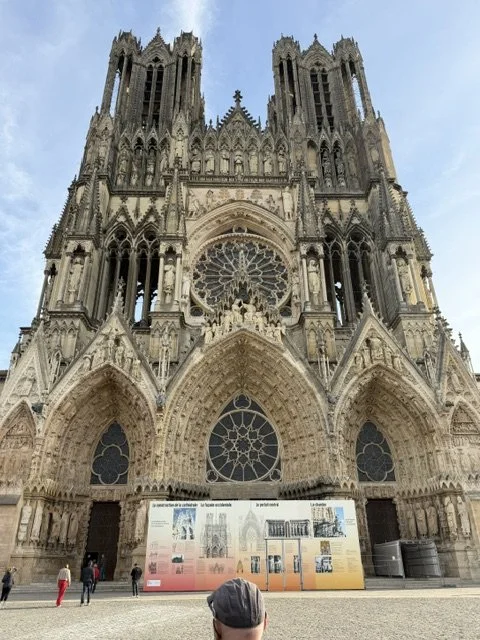
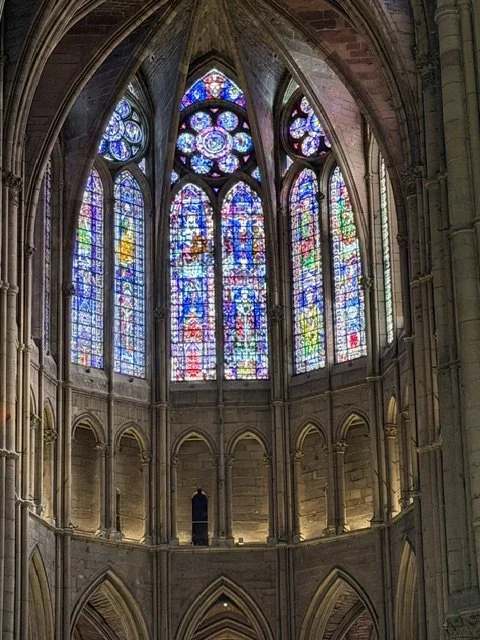
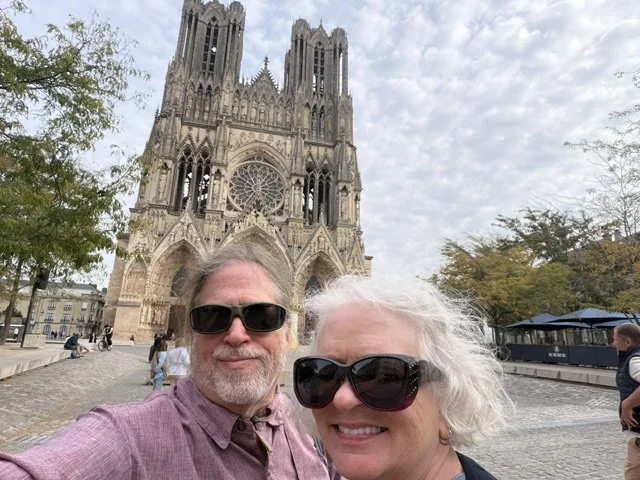
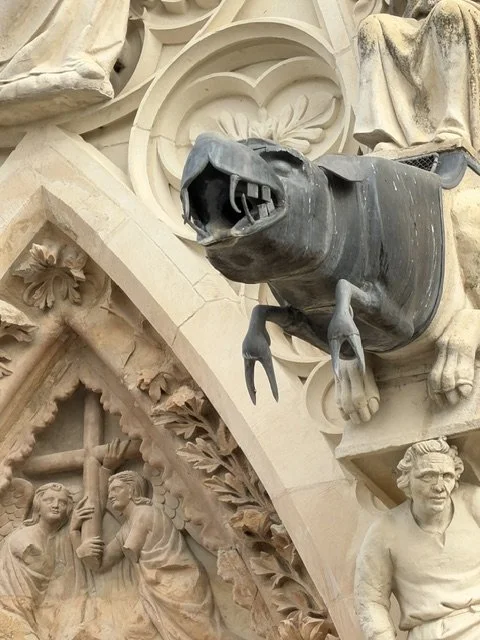
We survived Paris and were bused to Trier, Germany on the Moselle River where we boarded the Viking Idun. This was actually someone else’s ship while they boarded our ship, the Viking Freya, on the other side of the Rhine’s low-water in Basel, Switzerland. During the bus ride, we stopped in Reims, France and viewed a huge church, one of 3,000 churches we would eventually tour on this trip. I’ll sum up every cathedral visit for the next 10 days: this cathedral was built around 1,000 years ago, was severely damaged during the scourge of this region by King Louie 14th and/or during WWI and WWII bombing, then refurbished in the 20 years that followed. This was repeated many times over the next few days with slight variances in the original construction date and the amount of damage in which war.
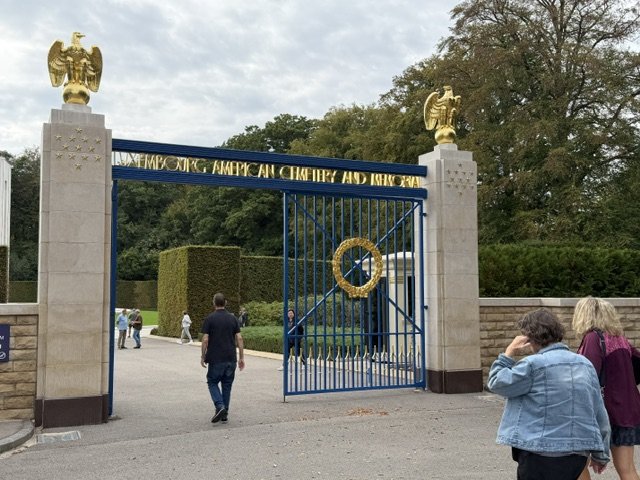
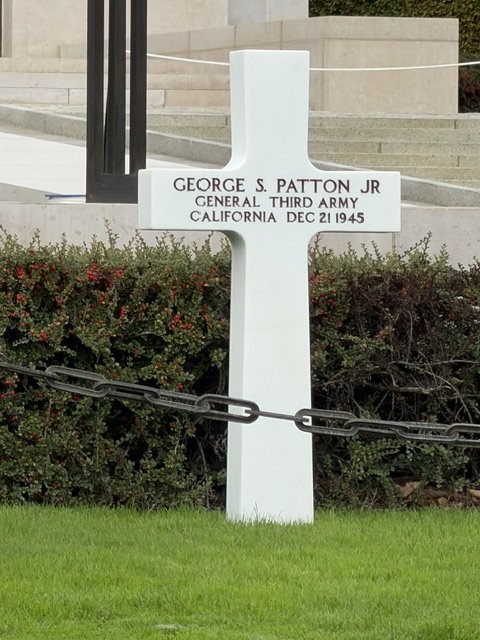
We also stopped in Luxembourg and visited the American Cemetery. The cemetery was very moving, similar to our visit to Pearl Harbor earlier this year. Some of young men that gave their lives in WWII are either buried here, or memorialized here with a Crosses or Star of David. There are 23 of these American Cemeteries across Europe honoring the American lives sacrificed during the two world wars. General Patton was buried at the top of the hill separate from the other graves. He died after the war at the end of 1945 in car accident in Berlin that reeked, but never proved, of Soviet espionage.
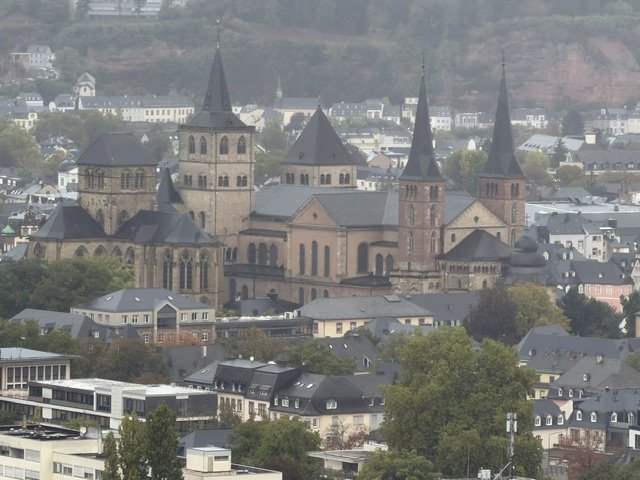
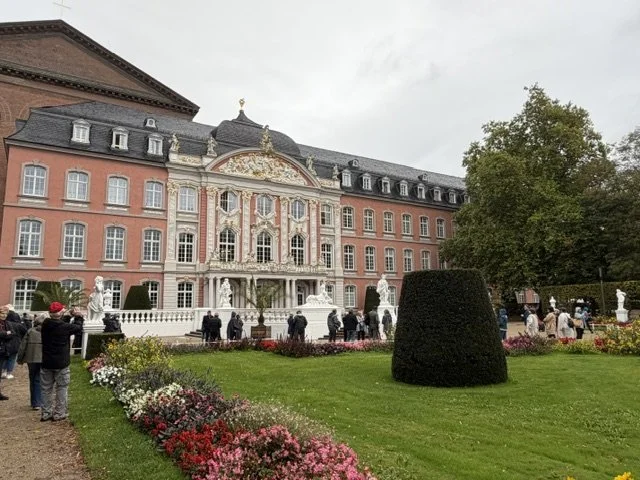
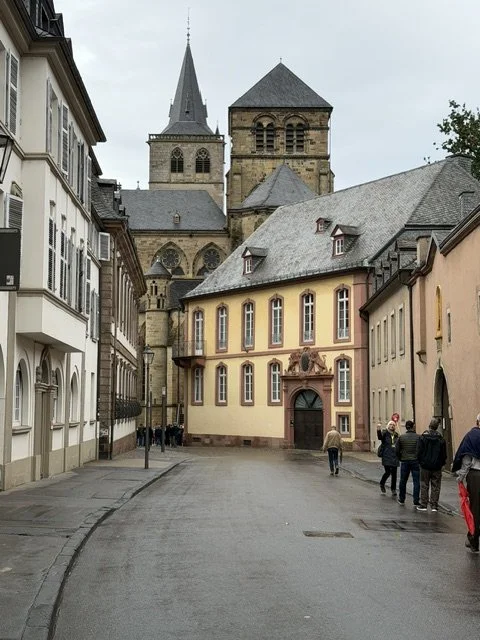
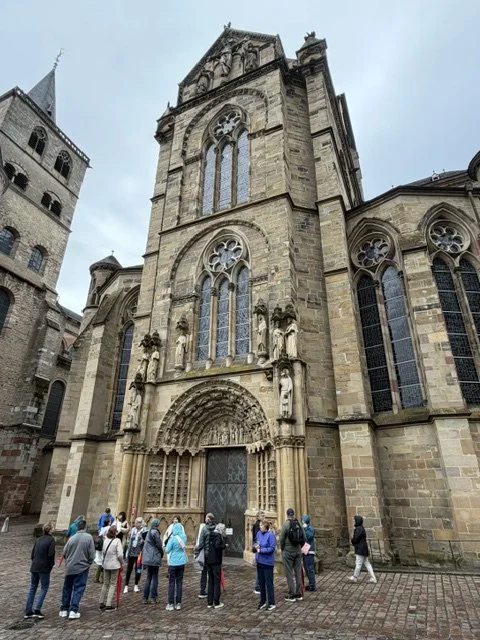
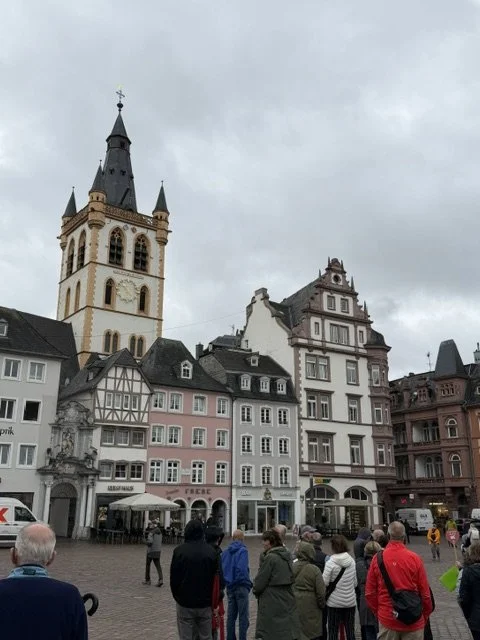
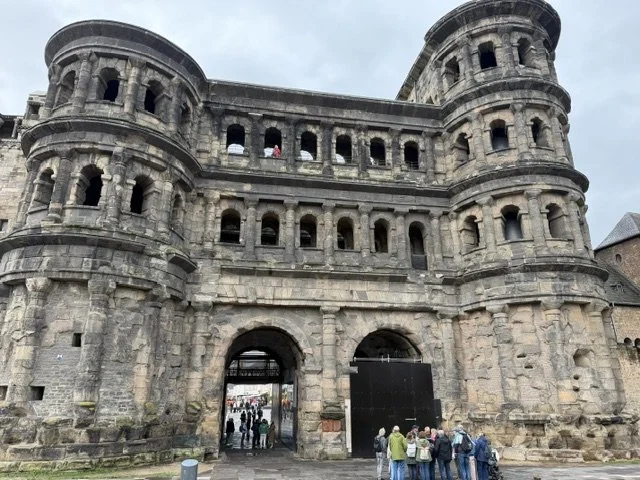
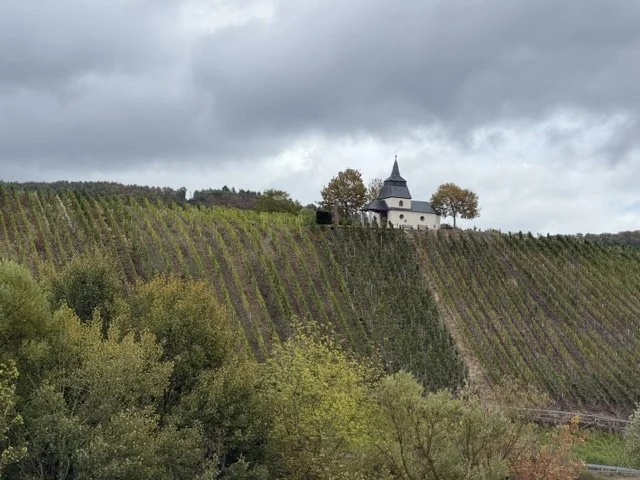
I never realized the importance of Trier, Germany in the Roman Empire. It was a small Celtic village that Rome took over and built up. There is still part of the original Roman bridge abutments supporting the main bridge across the Moselle. Some of the roads still survive along with the remains of the Roman baths, and an amphitheater. A Roman palace that functioned as the northern capital of the Roman Empire was later modified but is still in use. As a local government building, not as a lost outpost of the Roman Empire. When Emperor Constantine converted the Empire to Christianity, the Romans built the first church here that was expanded or built over several times, but still retains some original columns or walls still standing. Some of the church was damaged in invasions or during WWI and especially heavy WWII bombing, but fully restored now. The reason for the bombing was obvious when we drove by a building with panzer in the title. Panzer is how the Allies referred to the German panzerkampfwagen, or tanks. Trier was where we first observed vineyards that would cover every arable part of the mountains and hillsides lining the Moselle and Rhine River valleys until we reached Bingen, Germany.
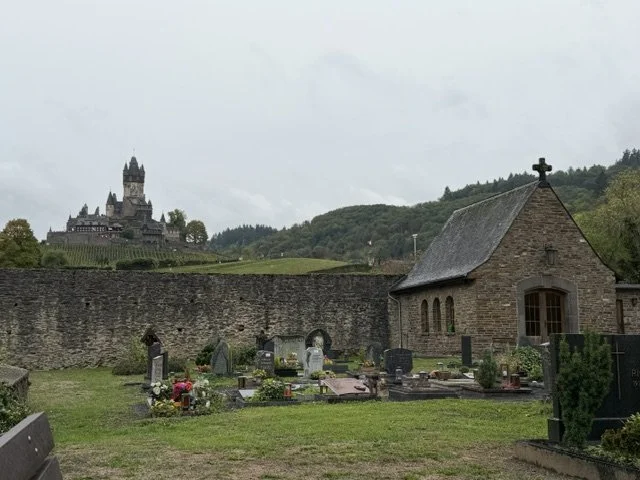
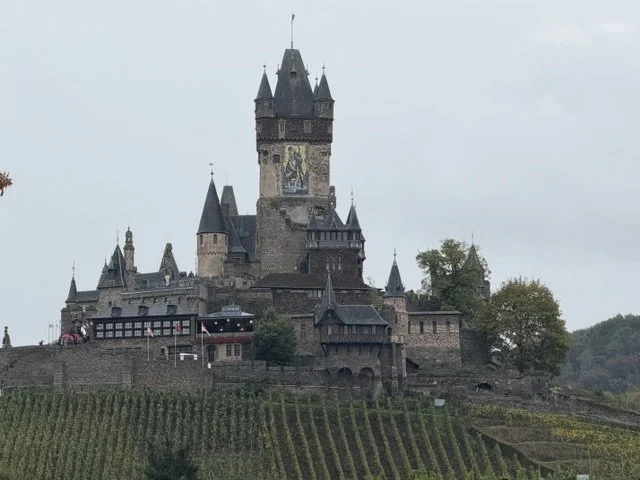
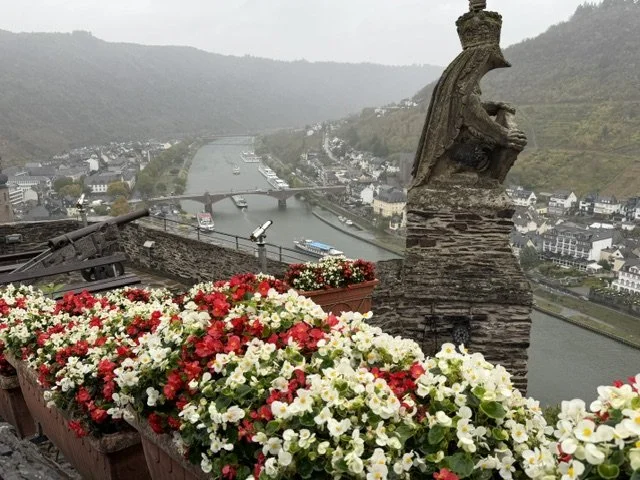
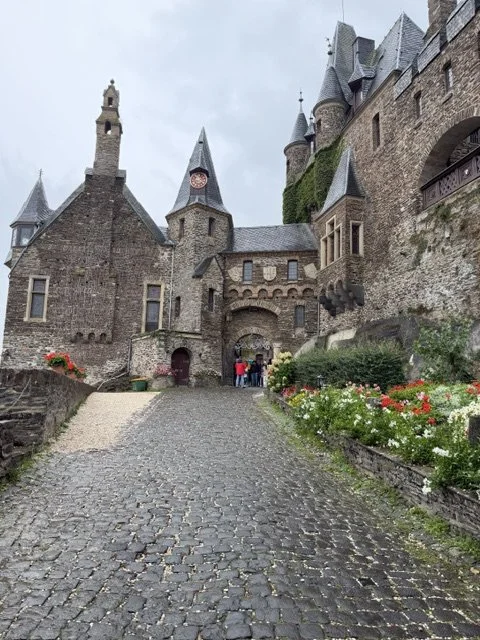
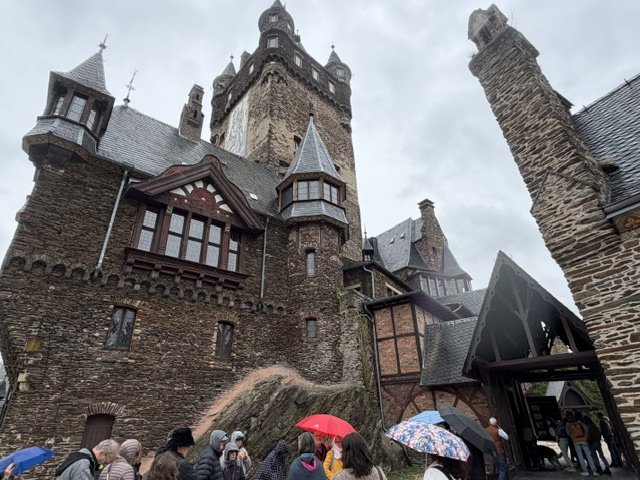
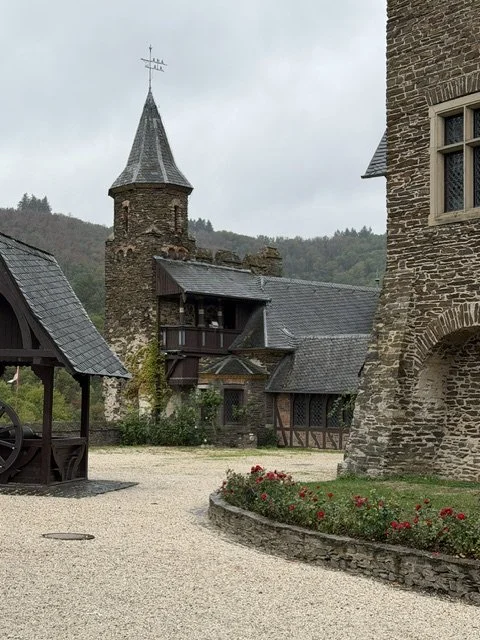
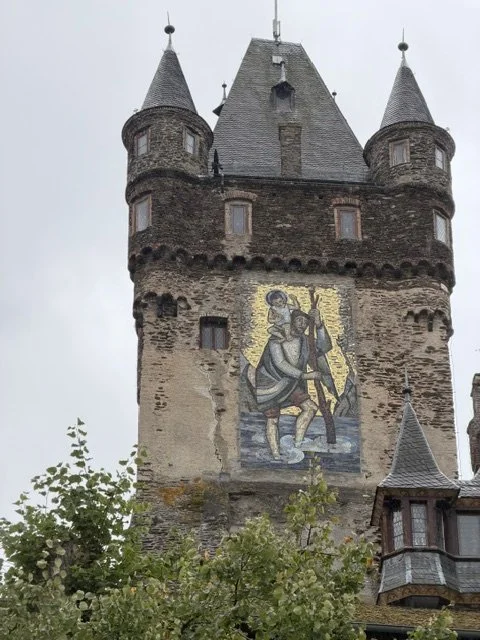
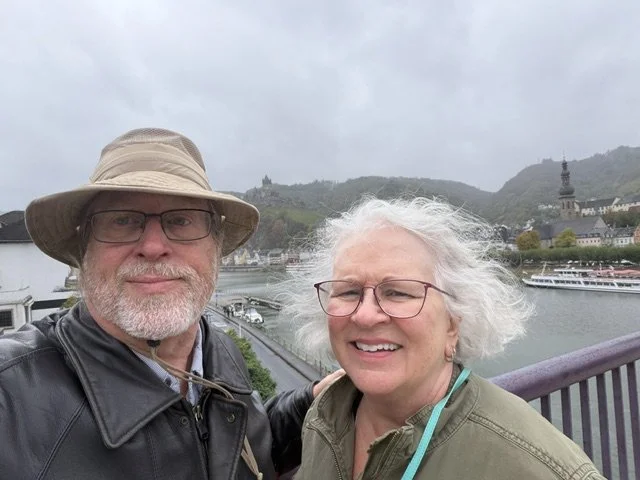
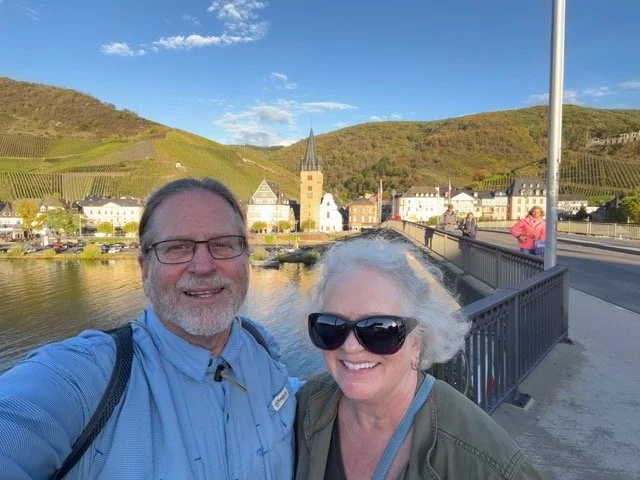
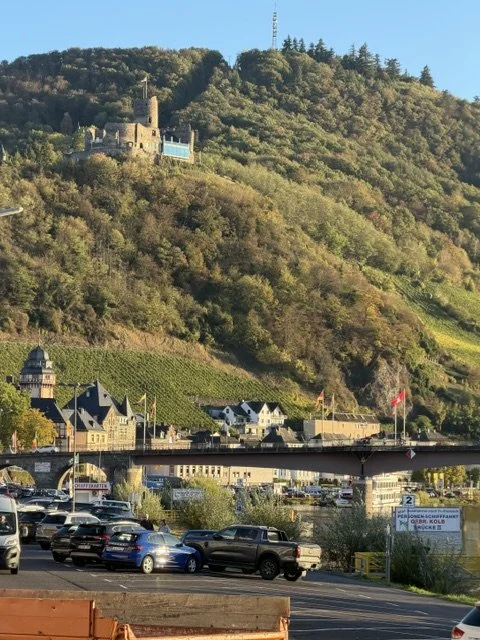
We actually sailed from Trier to Cochem, Germany. Through the scenic Moselle River Valley. In Cochem, we visited an awesome medieval castle, the Reichsburg Castle. It was built around 1,000 AD, but blown up by Louis 14th during an invasion in the late 17th century, then later rebuilt in an eclectic style using various architectural styles.
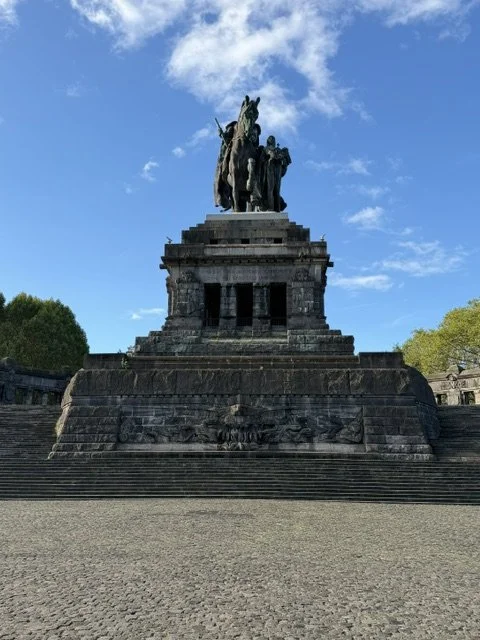
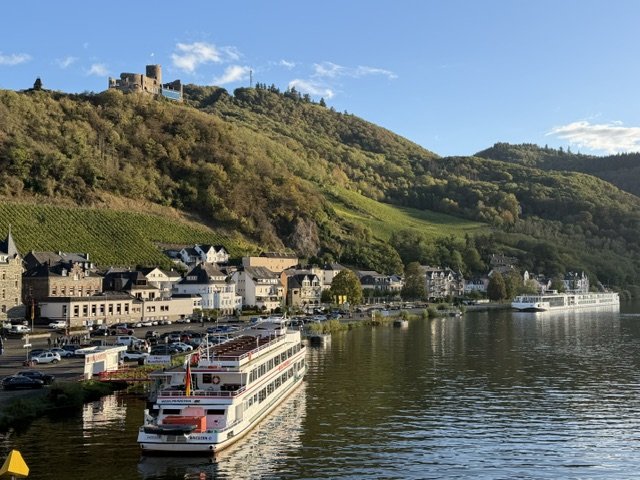
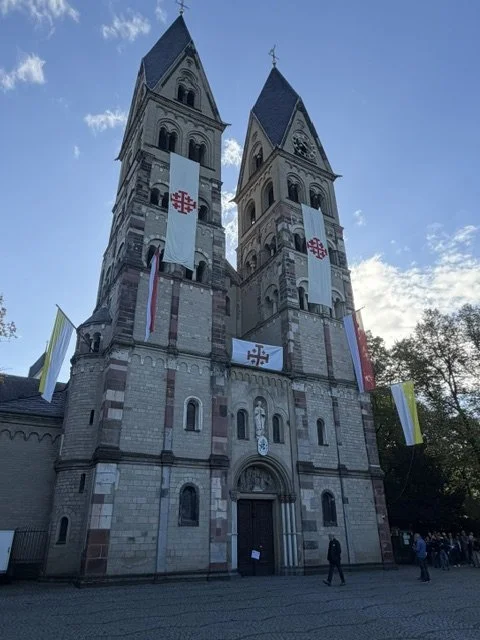
From Cochem, we boarded a bus (sigh!) that would end up after a long day in Kehl, Germany where we would meet up with our actual ship, the Freya. Our first stop on the drive was Koblenz, Germany. Koblenz is a city that was mostly leveled during WWII bombing and then rebuilt in the years that followed. After Koblenz, the bus took the road that followed the Rhine River. Every bend in the river seemed to have a castle on a hilltop overlooking a small village below. We had a guide on the bus that explained that most of the castles functioned to collect tolls for traffic on the Rhine. The castle was positioned up high where vessels could be spotted in advance of arrival to allow soldiers to be dispatched to collect the toll. Until Louis 14th blew each most of them up. It occurred to me that the best defense to keep the Louis 14th and the French from invading was to avoid having grapes as the primary agricultural product and wine as the principle industry. I am unaware of the French ever invading a country steeped in avocados. After a rest stop in Bingen, we took the autobahn through open land covered with the giant power-generating windmills. The windmills were all blown up by Louis 14th, WWI, or WWII, but the fiberglass fragments were recovered and the windmills were all reassembled to their original specifications.
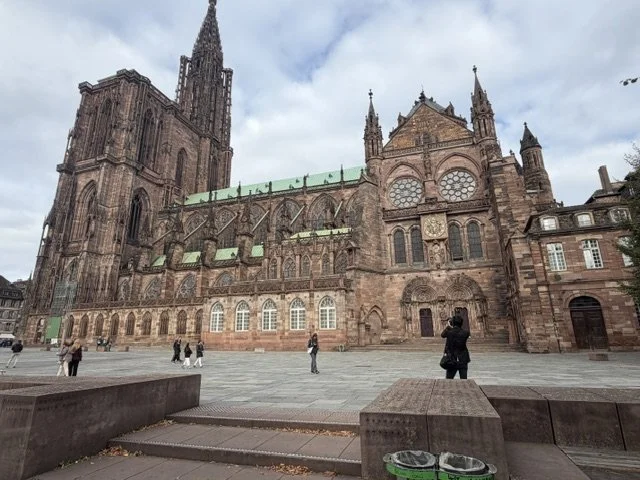
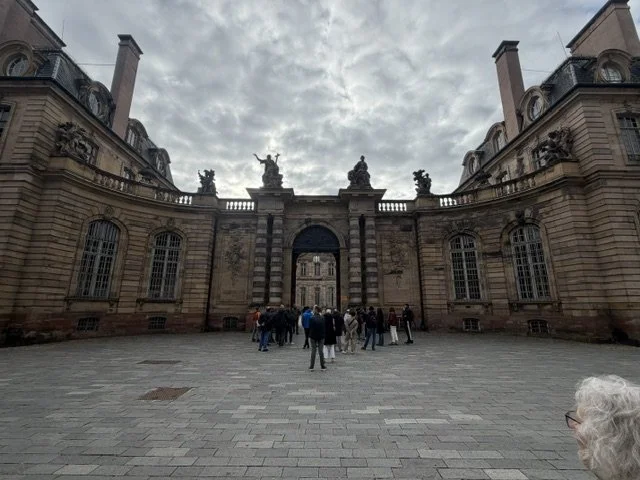
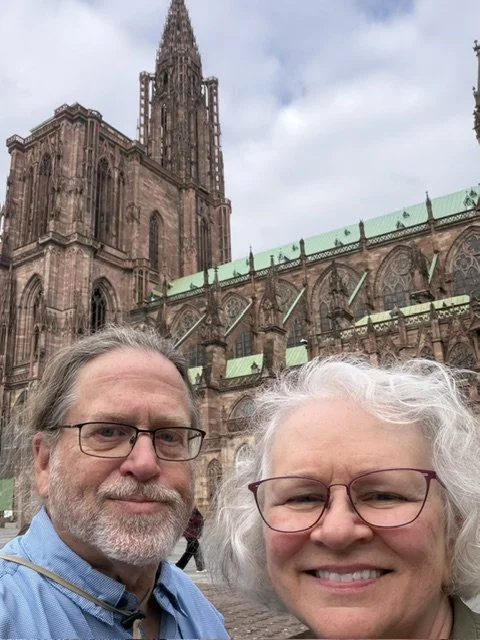
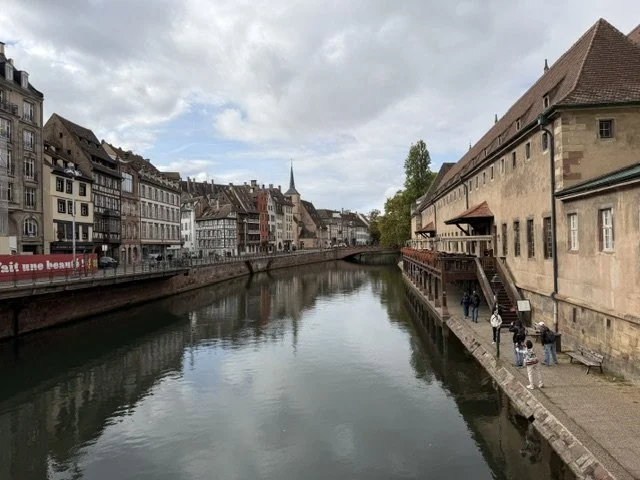
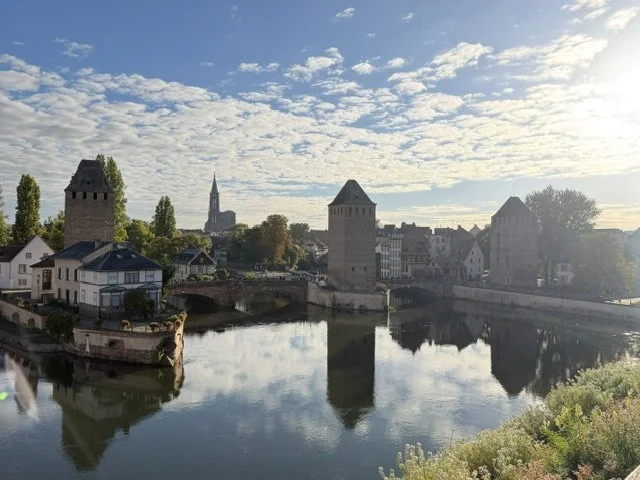
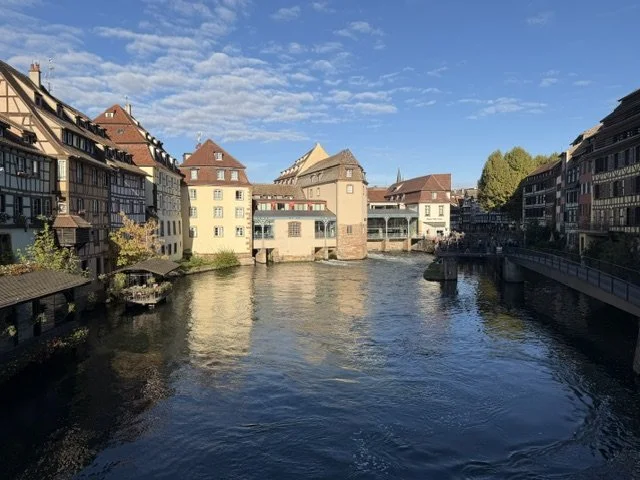
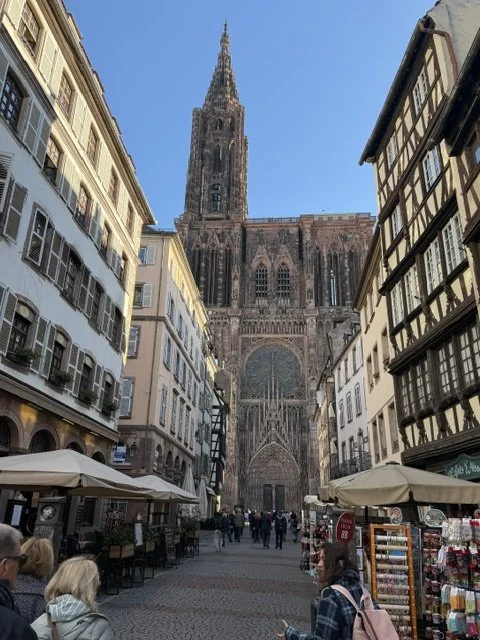
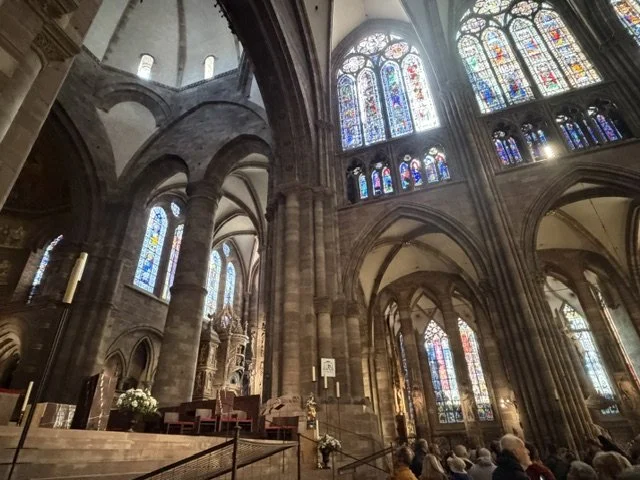
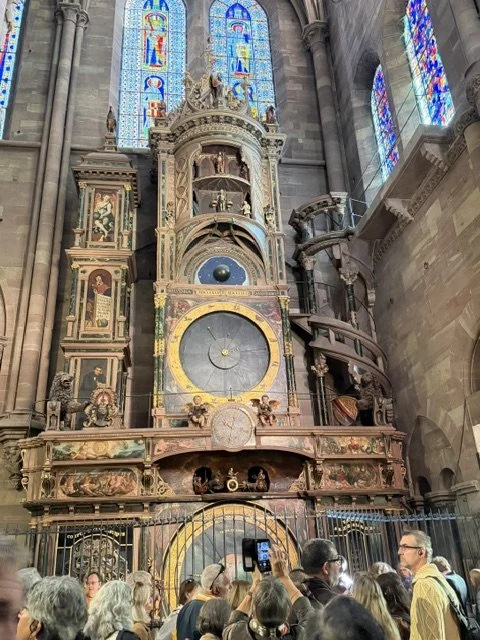
Keyl, Germany is overshadowed by the larger Strasberg, France on the west side of the Rhine. Strasberg has flipped back and forth from Germany and Lutherism to France and Catholicism several times over the past millennium, depending on current wars and victories. The main church of Notre Dame would also be converted during these turnovers. The Lutherans or Protestants accompanying German takeovers would remove statues of Mary and Catholic Saints and paint over murals, then the French and the Catholics would return years later and start restoring the statues and murals. Strasberg was heavily bombed during WWII by Louis 14th.
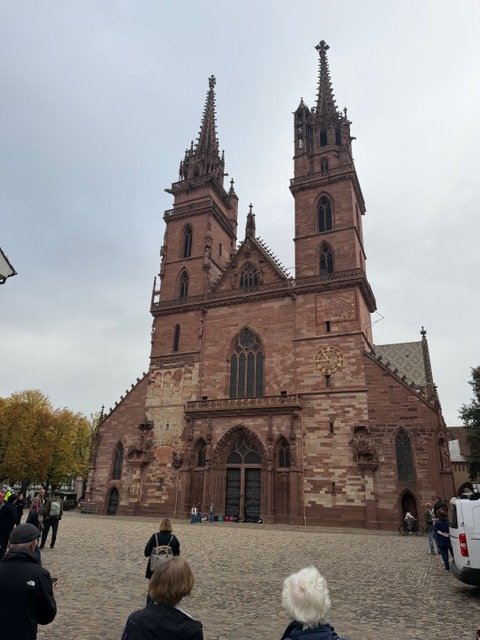
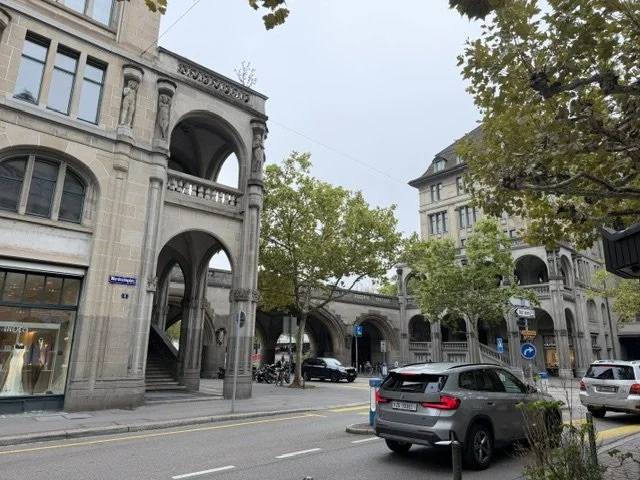
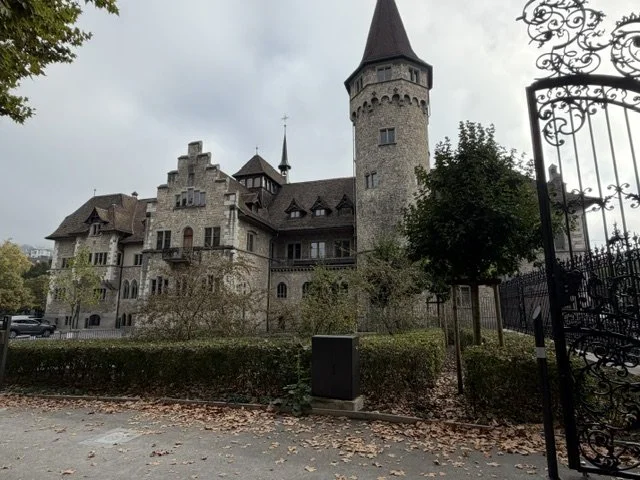
Finally, we sailed for only the second time on our two week cruise from Kehl to Basal, Switzerland where the aquatic portion of our tour ended. Basel and Zurich are large modern cities and except for a few old buildings and churches, look like most other large modern cities, only surrounded by mountains. Switzerland, and Zurich in particular, is home to 277 banking institutions. Lake Zurich is nice, but to afford a house on the “Gold Coast” of the lake, be prepared to pay $3,200 per square foot. So a 2,000 square foot house would be $6.4 million. The houses we saw weren’t 2,000 square feet. They may have been 20,000 square feet. The small ones.
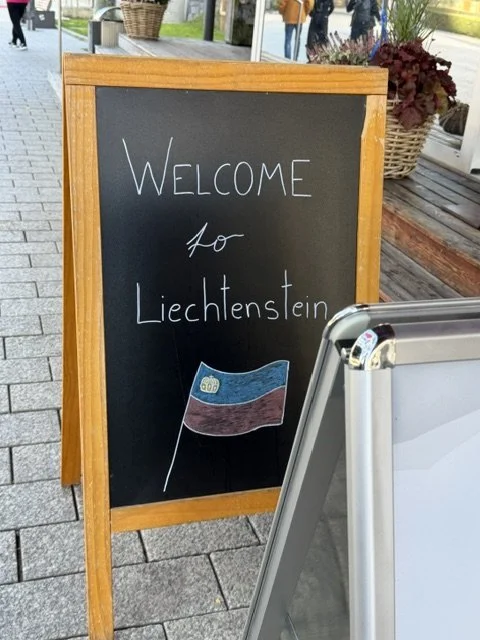
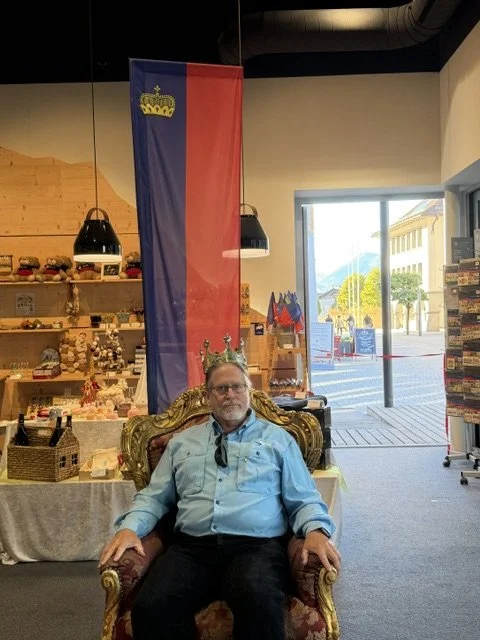
Our Viking tour officially ended after the Lake Zurich boat tour. But in order to march ever closer to 100 countries visited, we rented a car and drove to the micro-country of Liechtenstein (#97!). It is the sixth smallest country in size in the world, squeezed in between Switzerland and Austria. In addition to being an UN-recognized country Liechtenstein is the only country I know created by a rich dude. The Liechtenstein family bought the land from the Holy Roman Empire in 1719 to form the Principality of Liechtenstein, which officially became a sovereign country in 1815. Two interesting facts about Liechtenstein; first, it is one of only two countries in the world named after the ruling family. The other is Saudi Arabia named after the House of Saud. The second is that it is a very rich country. So rich that after Russia lost the Crimean War in 1856, Russia was broke and the Tsar became concerned the British were going to seize Alaska in the next conflict. So he offered to sell Alaska to Prince Johann II, ruler of Liechtenstein. The Prince considered Alaska to be a barren wasteland covered in ice and turned down the offer. The next stop for the Tsar was the USA, who jumped on the deal for $7.2 million in 1867. Since about $3 billion has been mined in gold and a whopping $274 billion in oil has been extracted, that $7.2 million was a pretty good investment, wouldn’t you say?
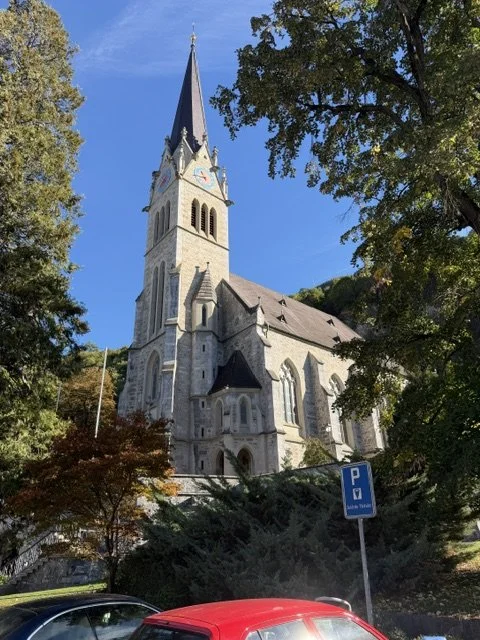
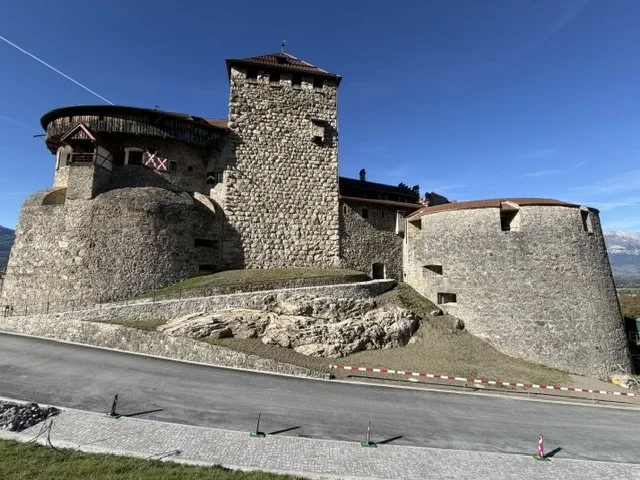
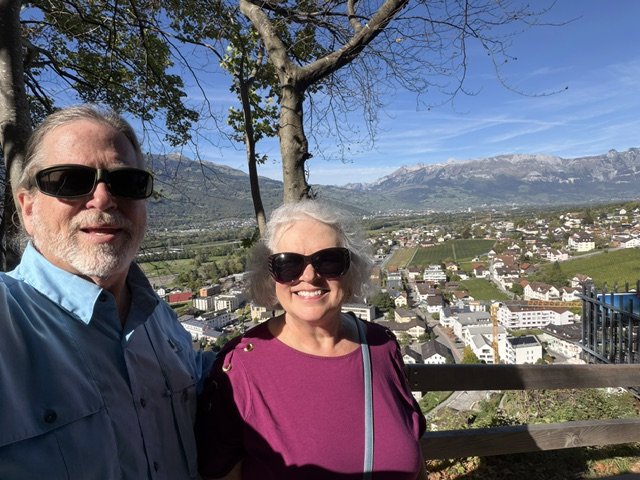
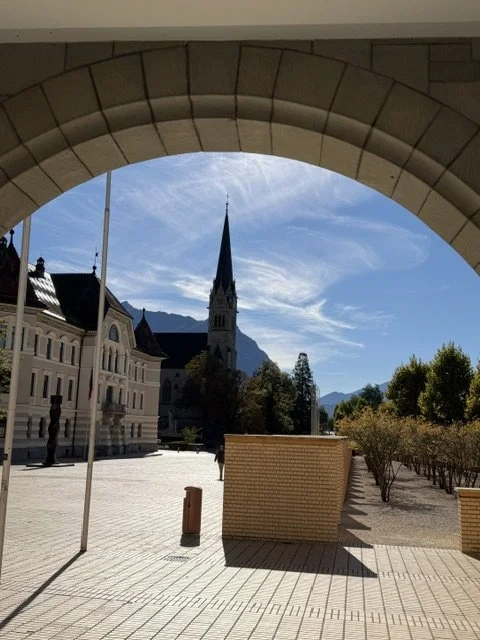
There’s not much to see or do in Liechtenstein, but it was very scenic and worth the excursion. We drove to the quaint little town of Vaduz, parked, and walked most of the business and government section. There is a massive cathedral at the edge of downtown and a castle at the top of the hill with a walking path we climbed. We couldn't go in the castle because the ruling Liechtenstein family still lives there. Vaduz is a quiet and scenic mountain village. Liechtenstein has never been bombed, shelled, or invaded. The family rulers were careful about their alliances through the years, such as one with Germany in the 19th century and one with Switzerland in the 20th century. Their language is German and the currency is the Swiss Franc. But no wars or invasions. Ever. Perhaps Europe should have made the Liechtensteins the supreme rulers of all of Europe at the start of the Middle Ages and they wouldn't have blown up and rebuilt all their churches, cathedrals, and government buildings an infinite number of times.
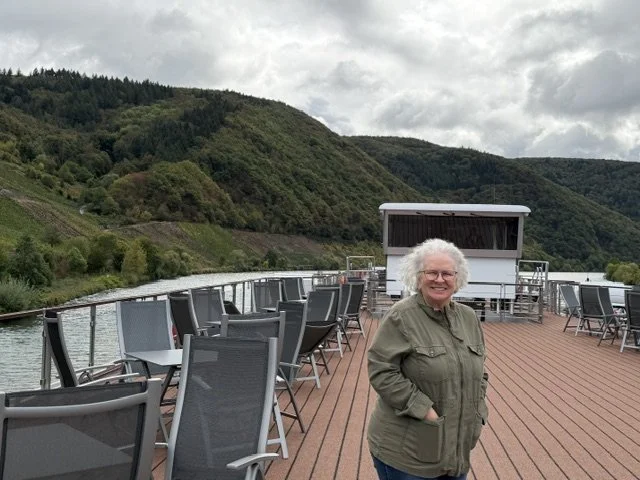
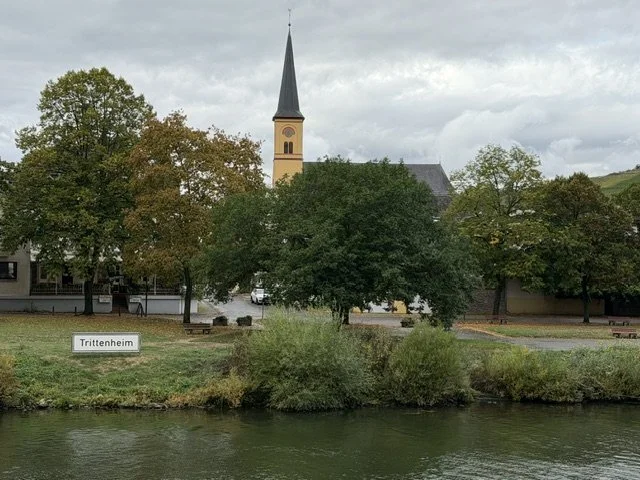
This would have been a fantastic cruise, sitting on the sundeck of the ship while sailing the scenic Moselle and Rhine Rivers. Sitting in a crowed bus where you could only glimpse half the scenery when there were breaks in the trees sucked. We ranked this our least favorite cruise of all time, river or ocean. Viking promised a 40% voucher on this cruise's price good off the next cruise. But there were fees and special charges that the 40% didn't apply to and based on my math, the voucher was only 31% of what I paid. They wouldn't let us cancel this cruise without forfeiting a refund. We could reschedule , we would have had to immediately pay the difference when we confirmed the new cruise. All similar cruises on this route in the future were more expensive. And they all carried the same risk of low water.
Au revoir (oh-ruh-vwahr) and auf wiedersehen (Again, even goodbye supports my French/German language ascertains!)
Keith